

There’s a specific kind of vertigo that hits when you realize the map you’ve been following doesn’t match the terrain under your feet.
You were told that if you followed the sequence—get the degree, find the niche, build the funnel, run the ads—the result would be a predictable line moving up and to the right. You were promised a linear path in a world that has become aggressively non-linear.
And yet, here you are.
The ads that worked last year are silent today. The “proven” marketing tactics feel hollow. The gurus who promised you the “blueprint” are already selling a new one because the old one expired before the ink was dry.
It’s not that you’re doing it wrong. It’s that the “Old Rules” were designed for a world that no longer exists.
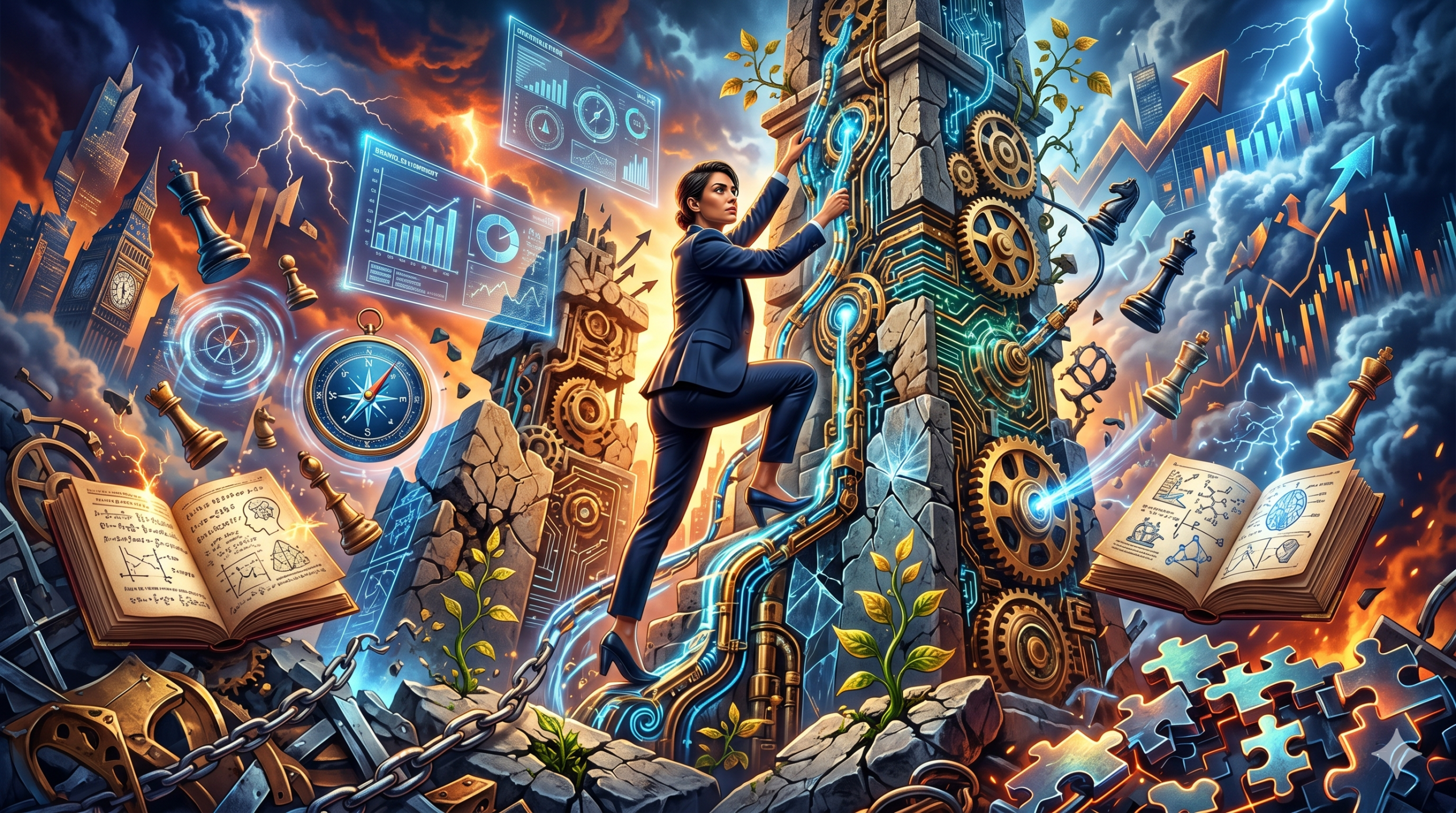
Navigating the modern business landscape isn’t about finding a better map. It’s about learning how to build your own compass while you’re already moving.
The Great Decoupling of Effort and Reward
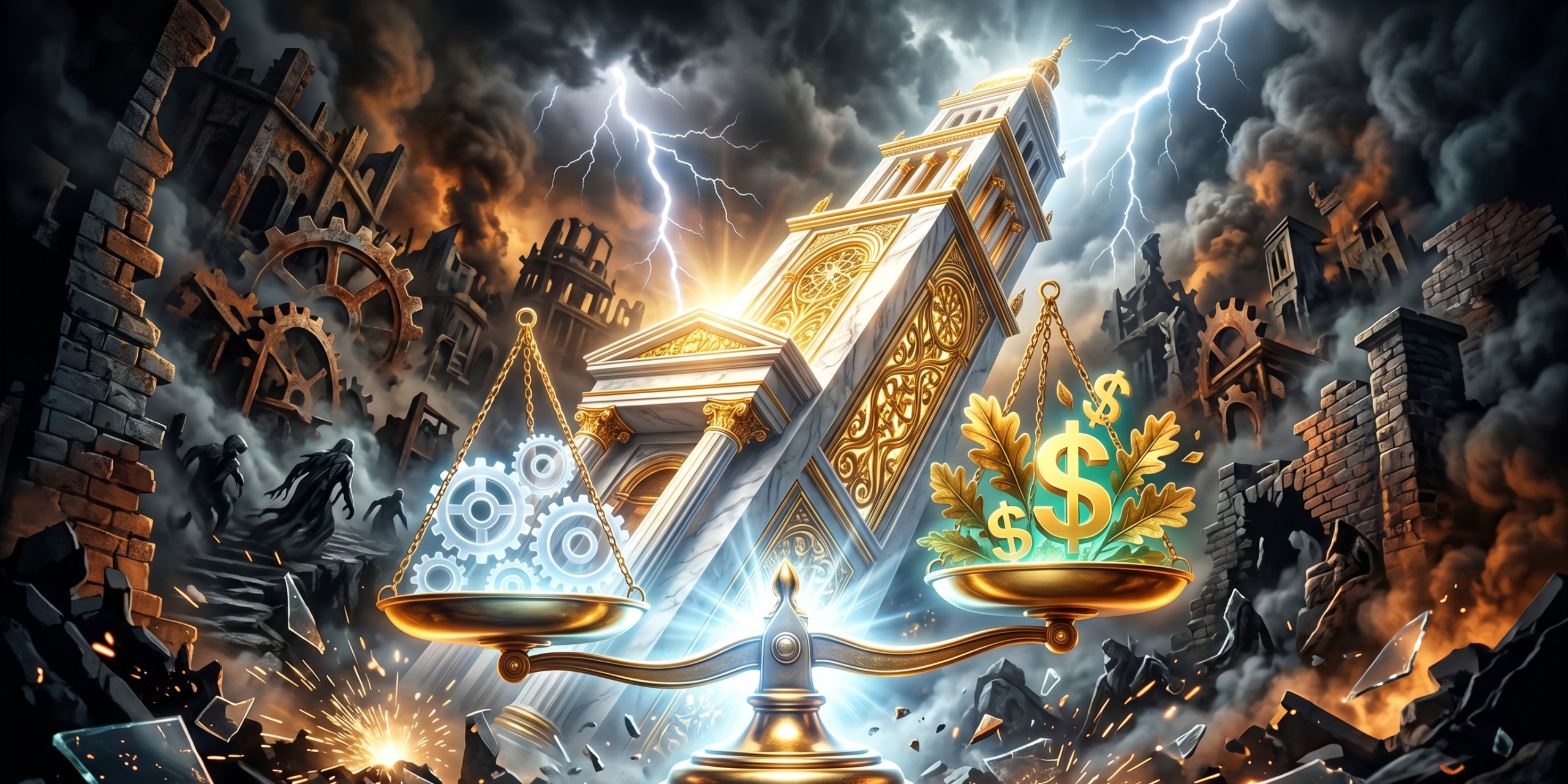
In the old world, business was proportional. If you worked 10% harder, you expected a 10% increase in output. It was an industrial mindset—a world of gears and levers.
Today, we live in a world of “asymmetric returns.”
One tweet can do more for a brand than a million-dollar ad campaign. One strategic “no” can save a company more money than a year of “yeses” can earn. The connection between “hours worked” and “value created” has been completely severed.
But our brains haven’t caught up.
We still feel guilty when we aren’t “busy.” We still measure our worth by the length of our To-Do list rather than the depth of our impact. We are trying to navigate a digital, high-leverage economy using the psychological software of a 1950s factory worker.
Until you decouple your identity from “effort” and attach it to “insight,” you will always be running a race you can’t win.
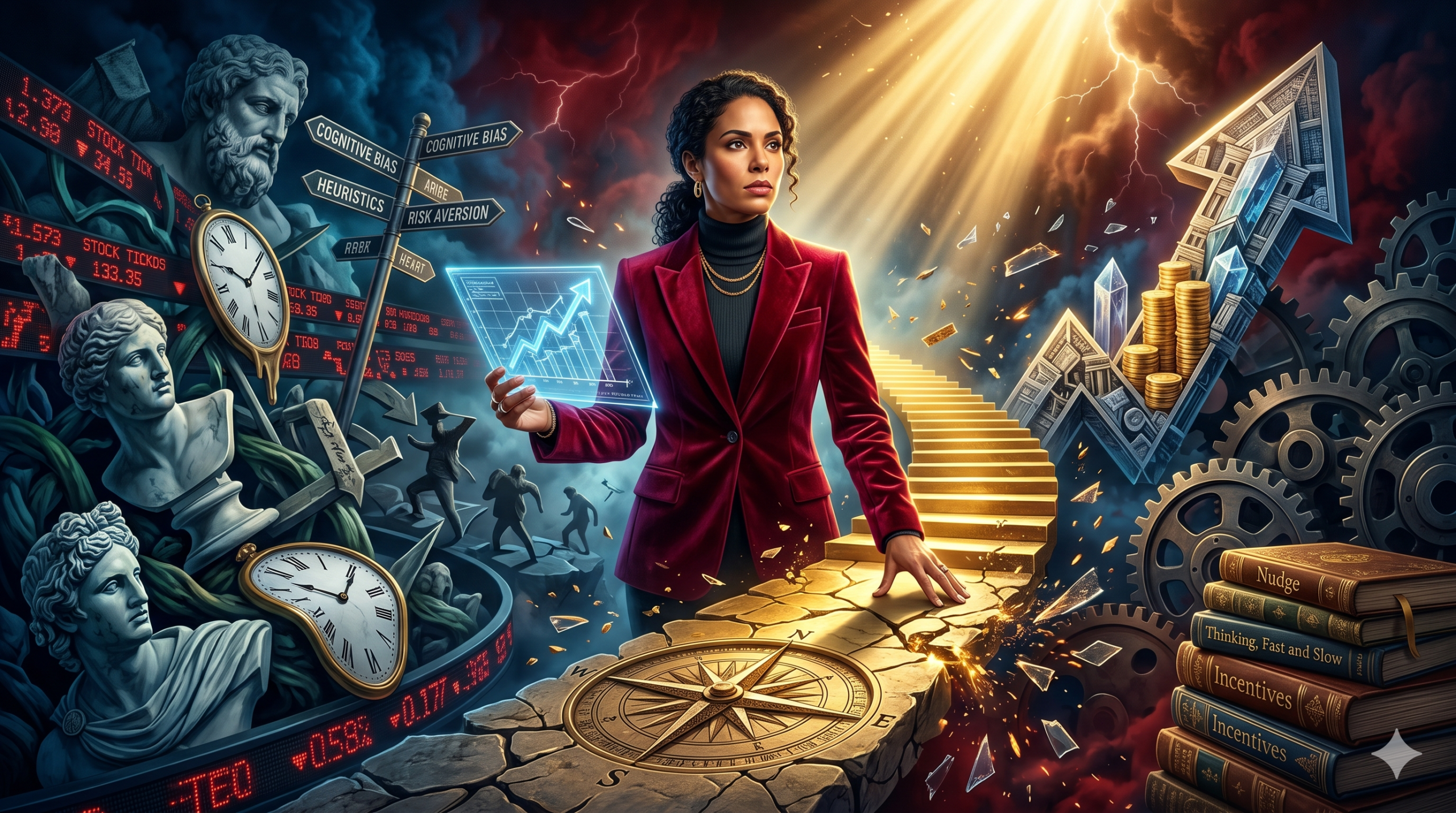
Why Your Brain Clings to the Old Map
If the old rules are broken, why do we keep following them?
Because the old map provides something the modern world doesn’t: Certainty.
The human brain hates ambiguity. It would rather follow a wrong map into a dead end than stand in an open field and decide which way to walk. Following a “system” feels safe. It gives you someone to blame if it doesn’t work.
But safety is the most expensive thing an entrepreneur can buy.
Modern navigation requires you to sit with the discomfort of not knowing. It requires you to treat your business like a series of experiments rather than a series of chores.
The “Old Rules” taught us to avoid failure. The “Modern Map” teaches us that failure is just data—and in a fast-moving market, the person with the most data wins.
The 3 Pillars of the Modern Navigator
If you want to stop feeling lost and start leading, you have to shift your focus from external tactics to internal capabilities.
1. Radical Adaptability In a stable world, “consistency” is a virtue. In a volatile world, “rigidity” is a death sentence. The modern navigator doesn’t fall in love with their plan; they fall in love with the problem they are solving. If the market shifts, they shift. If the technology changes, they pivot. They hold their vision with a steady hand but their tactics with a loose grip.
2. The Trust Economy Marketing used to be about “reach.” Today, it’s about “resonance.” We are drowning in content but starving for connection. The old rule was “be everywhere.” The new rule is “be for someone.” You don’t need a million followers; you need a thousand people who believe what you believe. Trust is the only currency that doesn’t depreciate when the algorithm changes.
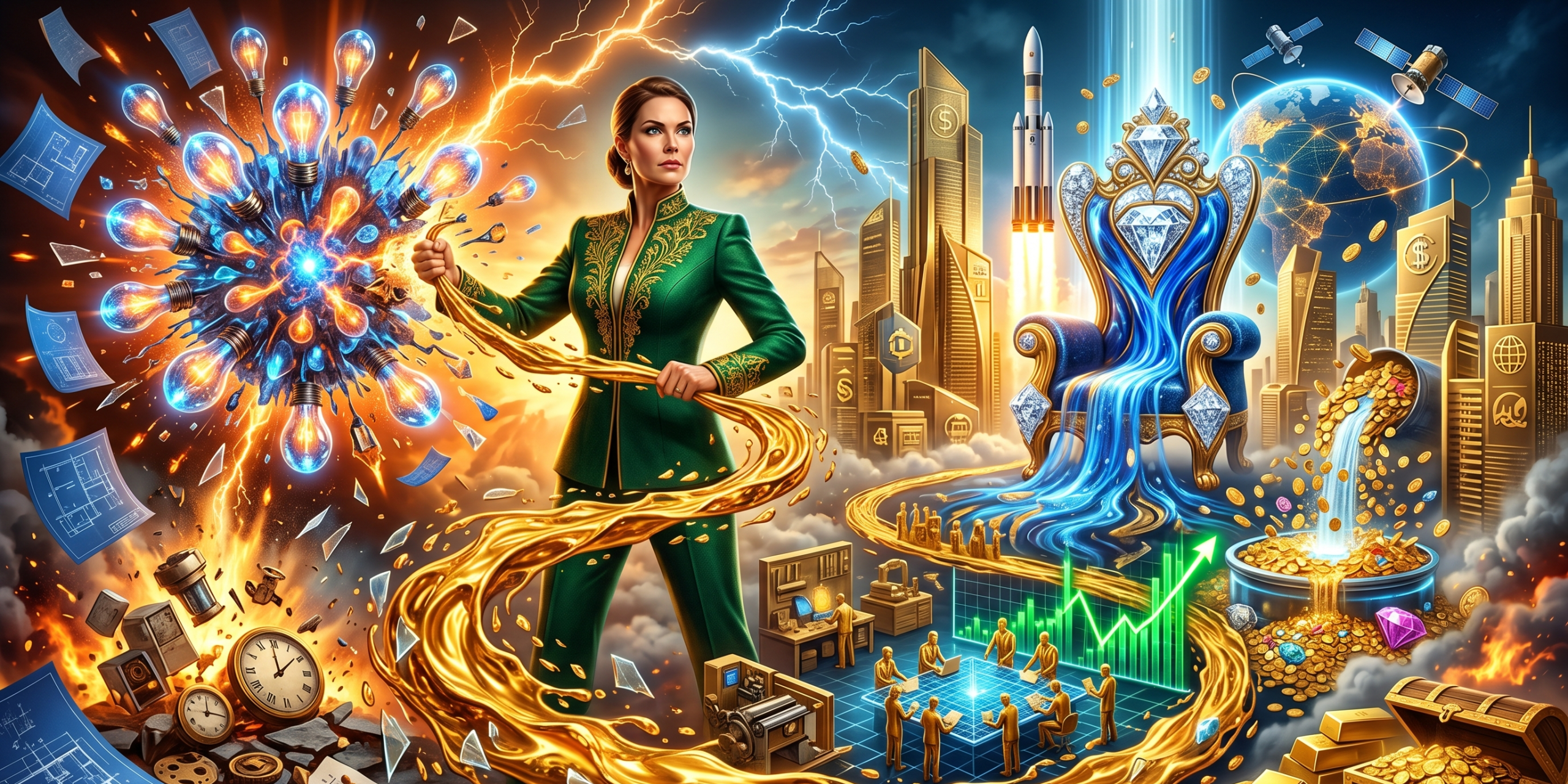
3. Intellectual Leverage The most valuable asset in your business isn’t your capital or your equipment. It’s your unique perspective. Anyone can hire a virtual assistant to run a process. Anyone can use AI to write a generic post. But no one can replicate the specific way you connect the dots between your experiences and your customers’ pain. Your “edge” is the part of you that can’t be automated.
The Friction of the Pivot
The hardest part of navigating the modern landscape isn’t learning the new rules—it’s unlearning the old ones.
You will feel the pull to “go back to basics” when things get hard. You’ll hear a voice telling you to just work more hours, to just “hustle harder,” to just do what everyone else is doing.
That voice is your ego trying to protect you from the vulnerability of being original.
The “Modern Map” requires you to be visible in a way that feels exposed. It requires you to share your raw ideas, to make bets on your intuition, and to lead without a permission slip.
It feels like walking a tightrope. But the secret of the modern economy is that the tightrope is actually a bridge.
Building Your Internal GPS
If you can’t trust the old blueprints, what can you trust?
You trust the feedback loop.
- Launch the “imperfect” version.
- Listen to the “quiet” signals from your customers.
- Watch where the energy is flowing, not where you think it should flow.
Business is no longer a game of “plan and execute.” It’s a game of “probe, sense, and respond.”
The map is being drawn in real-time by the people who are brave enough to walk into the fog. You don’t need to see the destination to take the next step. You just need to know that you are moving in the right direction.
The End of the “Standard” Career
We are moving toward a world of “Personal Monopolies.”
The old rules wanted you to be a replaceable cog in a large machine. The modern map demands that you become an irreplaceable node in a global network.
This is the greatest opportunity in human history, but only for those who are willing to stop looking for a leader and start becoming one.
The “Business Landscape” isn’t a place you visit; it’s a reality you shape. Stop looking at the old map. Look at the horizon.
The path isn’t missing. It just hasn’t been walked by you yet.







Leave a Reply