

Chapter 1: The Essence of Creative Spirituality
In this chapter, we explore the core principles of creative spirituality. It invites you to consider your creative pursuits not just as hobbies, but as paths for inner growth. We will delve into the transformative power of creativity and how it can cultivate a deeper connection to your spiritual self.
Embracing the Sacredness of Creativity
Creativity is often seen as a pastime, but it can be much more. This section discusses how acknowledging the sacred nature of your creative practice can enrich your spiritual journey.
Recognizing creativity as a spiritual practice
When we think of creativity, it is often relegated to the realm of hobbies or leisure activities. However, recognizing creativity as a spiritual practice can transform how we perceive our creative endeavors. Every stroke of a paintbrush or word penned can become a channel for spiritual exploration.
This shift in perspective allows us to view our creations not merely as tangible products but as expressions of our inner worlds. The act of creating can facilitate a deep connection with ourselves, enabling us to discover emotions and thoughts that may not readily surface. By embracing creativity as a form of spirituality, we invite mindfulness and intentionality into our processes, enriching both our art and our spiritual lives.
Finding meaning in your creative process
Meaning is the cornerstone of any spiritual journey, and in creativity, it is no different. By consciously seeking meaning in our creative process, we align our actions with our inner purpose. This quest for significance can take many forms, whether it’s expressing personal narratives, addressing social issues, or exploring internal landscapes.
As we infuse meaning into our creativity, we begin to witness a profound transformation. The mundane act of creating becomes a sacred ritual. We start to understand how our work resonates not only with ourselves but with the collective spirit of humanity. This awareness deepens our appreciation for the creative process and encourages us to share our unique voices with the world.
Viewing your work as a form of meditation
Meditation is often perceived as a still and silent practice, yet creativity offers a dynamic form of meditation. When we engage fully with our creative tasks, we enter a flow state—where time fades, and our consciousness sharpens. This immersive experience mirrors the essence of meditation, allowing us to connect deeply with our inner selves.
By consciously treating our creative activities as meditative practices, we cultivate presence and awareness. Each brush stroke, note, or line of text becomes a moment to breathe, reflect, and refine our intentions. This practice not only enhances the quality of our work but also fosters a deeper spiritual connection, facilitating inner peace and serenity.
Honoring the time and space dedicated to creation
In a world that often prioritizes productivity over presence, honoring the time and space we dedicate to creation is crucial for our spiritual journey. Establishing a sacred space for creativity allows us to signal to ourselves and the universe that our creative pursuits are worthwhile and deserving of focus.
Creating rituals around our creative time enhances this sanctity. Whether it’s lighting a candle, playing soothing music, or arranging our workspace intentionally, these practices can enrich our creative experiences. By valuing and safeguarding this time, we cultivate an environment where creativity can flourish, leading to personal transformation and spiritual growth.
The Connection Between Craft and Self
Your craft is a reflection of your inner world. This section highlights the relationship between what you create and who you are, showing how each piece of work resonates with your personal journey.
Understanding how your feelings influence your creativity
Your emotions play a pivotal role in the creative process. When you create, whether through painting, writing, or any other form of art, your feelings inevitably seep into your work. These emotions often act as catalysts for inspiration, shaping the tone and direction of your creations. If you approach your craft with awareness of your emotional state, you can tap into a reservoir of depth that elevates your work beyond mere technique.
Recognizing feelings like joy, sadness, or anger can guide your artistic choices, informing color palettes, themes, and even the medium you choose. By allowing your emotions to inform your creativity, you foster authenticity in your work. This authenticity not only resonates with you but also connects with others on a deeper level, turning your creations into a shared experience of human emotion. Ultimately, this understanding cultivates a richer creative flow that honors both the artist and the audience.
Using art as a mirror for self-discovery
Art serves as a powerful mirror, reflecting not just the world around us but also our inner landscapes. When you engage in creative work, you’re invited to explore your beliefs, fears, and aspirations. This introspective journey allows you to unearth layers of your identity that might remain hidden in everyday life.
As you create, pay attention to the themes, colors, and symbols that emerge naturally from your imagination. These elements can reveal insights about your desires, struggles, and personal narratives. By viewing your artwork through the lens of self-discovery, you can interpret it as a dialogue with yourself, giving voice to feelings and thoughts that might otherwise go unexpressed. This reflective practice not only enhances your artistic craft but also promotes personal growth and a deeper understanding of who you are.
The role of vulnerability in creative expression
Vulnerability is an essential ingredient in the alchemy of creation. When you allow yourself to be vulnerable, you open up a space for genuine expression, breaking down barriers between you and your audience. This act of sharing your true self can be both daunting and liberating. By embracing your imperfections and insecurities, you give yourself permission to create authentically.
Every artist faces moments of doubt or fear of judgment, but these feelings can actually enhance your creative output. When you channel vulnerability into your work, it resonates with others who experience similar struggles. This shared connection fosters empathy and understanding, turning your art into a means of collective healing. As you navigate this dynamic, you’ll find that vulnerability cultivates a unique voice that is both powerful and transformative.
How personal experiences shape your artistic voice
Your artistic voice is deeply intertwined with your personal experiences. Each moment of joy, hardship, and discovery adds layers to your creative expression, crafting a unique perspective that informs your work. By recognizing how your past influences your art, you can intentionally infuse elements of your history into your creations, enriching their narrative depth.
Consider the pivotal moments in your life—milestones, challenges, and transformations. These experiences have not only shaped who you are but also what you create. As you channel your journey into your craft, you’ll cultivate a distinctive style that reflects your true essence. Embracing and articulating your lived experiences in your work not only empowers you but also invites others to connect with your story on a profound level, promoting shared understanding and inspiration.
Creating with Intention
Intention is a powerful force in creation. This section explores how setting clear intentions can guide your artistic process and foster personal growth.
Establishing your creative goals
Establishing clear creative goals is the foundation of intentional creation. When you set specific and measurable objectives, you provide yourself with a roadmap for your artistic journey. This clarity not only directs your actions but also aligns your creative output with your inner aspirations. Take time to reflect on what ignites your passion—whether through painting, writing, or any other creative pursuit.
Furthermore, writing down these goals can serve as a powerful commitment to yourself and your craft. Consider breaking down larger ambitions into smaller, actionable steps that allow for gradual progress. This method fosters a sense of achievement at every stage and maintains your motivation. It’s crucial to revisit and revise your goals as you grow; this adaptability ensures that your creative process remains fluid, dynamic, and deeply connected to your evolving self.
The impact of intentionality on your output
Intentionality significantly shapes your creative output. When you approach your work with a focused mindset, every brush stroke or written word becomes infused with purpose. This conscious approach transforms ordinary tasks into meaningful rituals, enhancing the quality of your creations. By establishing the “why” behind your art, you not only deepen your engagement but also elevate the emotional resonance of your work.
Moreover, intentional creation invites you to embrace challenges as part of your journey. Each hurdle can become a lesson, contributing to both your artistic growth and spiritual evolution. As you cultivate this practice, you may discover that your work begins to reflect your inner transformations, resonating more profoundly with both yourself and your audience. Ultimately, intentionality serves as a catalyst for both personal and artistic authenticity.
How to align your projects with your spiritual values
Aligning your projects with your spiritual values is a crucial step toward meaningful creation. Begin by identifying the core beliefs and principles that are most important to you. Whether these are rooted in compassion, sustainability, or expression of inner truth, ensuring that your work reflects these values can deepen your creative experience.
To achieve this, incorporate feedback loops within your creative process. This means regularly reflecting on how your work aligns with your spiritual beliefs. Engage in practices like journaling to clarify how your projects resonate with your values. As you consciously cultivate this alignment, your artistic voice will become more authentic, and your creations will embody the essence of your spiritual journey, leading to greater satisfaction in your creative endeavors.
The practice of mindful creation
The practice of mindful creation emphasizes being present in the moment while engaged in your craft. This approach encourages you to immerse yourself fully in the process rather than fixating on the outcome. Start by creating a dedicated space that fosters focus and serenity, allowing your creativity to flow freely without distraction.
Integrating mindfulness techniques, such as breath awareness and visualization, can help ground you during your creative sessions. By centering yourself, you enhance your sensitivity to inspiration, making it easier to respond to the intuitive impulses that guide your work. Over time, this practice nurtures a profound connection between your inner self and the act of creation, transforming it into a spiritual practice that facilitates growth and self-discovery.
Overcoming Creative Blocks
Creative blocks can be frustrating, but they can also present opportunities for transformation. This section discusses approaches to overcome obstacles and harness them for growth.
Identifying the source of your creative blocks
Understanding the root cause of your creative blocks is essential for overcoming them. Often, these barriers arise from various sources including fear of failure, self-doubt, or even external pressures. Reflect on your recent experiences and emotions; are there underlying fears that inhibit your artistic expression? Take the time to journal your thoughts and feelings, as this can lead to uncovering patterns that frequently disrupt your flow.
Additionally, consider the physical environment in which you create. Cluttered spaces or distracting surroundings can stifle creativity. By recognizing these sources, you can begin to dismantle the barriers. It’s crucial to foster self-awareness, allowing yourself to acknowledge these blocks without judgment. Remember, this is the first step towards transformation; acknowledging them illuminates the path forward.
Techniques for breaking through mental barriers
Once you’ve identified the sources of your creative blocks, it’s time to employ techniques to break through them. One effective method is engaging in freewriting or free-drawing—activities that encourage spontaneous expression. Set a timer and let your thoughts flow without the constraints of judgment or self-editing. This allows your inner voice to emerge and might unearth hidden inspirations.
Another approach is to change your routine or environment. Sometimes, a new perspective can rekindle your creativity. Try creating in a different location or experimenting with new materials. Embrace playfulness in your process; the essence of creativity thrives in joy. Lastly, don’t hesitate to collaborate with others. Sharing ideas and artistic energies can create a dynamic flow that reinvigorates your creative spirit.
The importance of patience in the creative process
Patience is a fundamental aspect of the creative process that cannot be overlooked. It’s easy to feel frustrated when projects don’t unfold as envisioned. However, true mastery comes from the willingness to embrace the journey, including its ups and downs. Acknowledge that every artist faces moments of doubt and delay; these are integral to growth.
Allow yourself the grace of time. Instead of rushing towards completion, focus on the evolution of your work. Developing patience facilitates deeper insights, allowing your creation to mature organically. This mindful approach not only enhances your craft but also nurtures your spiritual growth, transforming each creation into a meaningful experience rather than just a product.
How to view challenges as a part of your journey
Viewing challenges as stepping stones in your creative journey empowers you to transform potential setbacks into opportunities for growth. Every artist encounters challenges that can seem daunting, but framing them as essential milestones alters your perception. Rather than fearing failure, see it as a valuable teacher that builds resilience and insight.
Reframe the narrative of your challenges. Instead of thinking “I can’t,” try “What can I learn from this?” This shift in mindset cultivates a growth-oriented outlook, allowing you to explore new creative paths. Remember, the journey of creativity is not a straight line; it is a winding path filled with lessons. Celebrate these moments as integral parts of your artistic evolution and spiritual awakening.
The Flow State: Channeling Inspiration
Flow state is the sweet spot of creativity. This section examines how you can achieve and maintain flow in your creative endeavors, allowing for effortless expression!
Understanding the psychology of flow
The concept of flow, popularized by psychologist Mihaly Csikszentmihalyi, delves into that state where individuals become fully immersed in their creative activities. Understanding the psychology behind flow is crucial for unlocking your creative potential. When in flow, a person often experiences deep concentration and heightened energy, which leads to a sense of fulfillment. This state is marked by a balance between challenges and skills, where tasks engage you just enough to push your limits without overwhelming you.
Flow can be triggered by setting clear goals, which provide direction, and by receiving immediate feedback, allowing you to adjust your approach in real time. Recognizing this psychological framework enables you to intentionally foster flow states in your practice, enhancing not only your creativity but also your overall satisfaction in your artistic journey.
Creating an environment that fosters flow
The physical and emotional environment plays a significant role in cultivating flow. An ideal creative space minimizes distractions, promotes comfort, and inspires clarity. Start by organizing your workspace to eliminate clutter that can impede your focus. Consider the lighting, colors, and even scents that resonate with your creative process.
Incorporating elements like plants or art can enhance inspiration and tranquility. Comfort is key; ensure your seating and work setup allows for hours of engagement without strain. Moreover, creating a routine or schedule can condition your mind to enter a mindset conducive to flow. By paying attention to these environmental details, you enhance your capacity to slip into that magical realm of effortless creativity.
Using rituals to transition into a creative flow
Rituals serve as powerful catalysts for entering a flow state. They can be simple practices that signal your brain it’s time to create. These might include lighting a candle, playing specific music, or engaging in a short meditative exercise. Such rituals help in anchoring your focus and fostering an atmosphere ripe for creativity.
Your rituals can also be personalized to reflect your artistic identity, whether it’s a particular cup of tea before painting or warm-up exercises before writing. Consistency in these processes builds a mental pathway, guiding you into the creative flow more seamlessly with each session. These intentional transitions empower you to unlock deeper levels of expression through your craft.
The role of practice and discipline in maintaining flow
Practice and discipline are essential components in sustaining the flow state. While inspiration is often fleeting, consistent practice cultivates familiarity and skill, making it easier to access flow when needed. Setting regular intervals for creative work not only helps establish a routine but also reinforces your commitment to your craft.
Moreover, the discipline of putting in the hours can lead to breakthroughs and unexpected inspiration. As you refine your skills, you will find that challenges become more stimulating than intimidating. Embrace the process; it’s through diligence that you create an environment where flow can thrive. Discipline in your artistic endeavors ultimately transforms your creative practice into a meaningful journey of personal and spiritual growth.
Chapter 2: Mindful Creation: A New Paradigm
Here, we’ll discuss the concept of mindful creation and how being present in your craft can change everything. This chapter will guide you in fostering an awareness that elevates your creations, turning them into potent expressions of your inner journey.
Understanding Mindful Creation
Mindful creation is about acting with intention in every aspect of your craft. It invites you to be entirely present, transforming routine practices into profound experiences.
Discover the Essence
Mindful creation allows you to tap into the true essence of your work. When you approach your craft with intention, every brushstroke, word, or gesture becomes a profound opportunity for personal growth. Rather than simply executing a task, you engage with your creation on a deeper level. This connection encourages you to explore your motivations and feelings, giving way to a more authentic expression of your inner self.
By questioning what inspires you, what drives your creativity, you begin to unearth the layers of your artistic intent. This self-inquiry transforms ordinary moments into extraordinary experiences. Moreover, as you delve into your craft with mindfulness, you cultivate a sense of purpose that not only elevates the quality of your work but also enriches your personal journey, fostering deeper fulfillment and authenticity.
Awareness in Action
Being aware of your environment, emotions, and thoughts can significantly enhance your artistic output. This heightened awareness allows you to notice subtle cues that often go unnoticed, from the mood of the room to the nuances in your own feelings that influence your creativity. Such mindfulness transforms the way you perceive your craft, allowing you to create more meaningfully.
Through intentional engagement, you can adjust your approach based on your emotional state, leading to richer, more authentic expressions. Instead of forcing creativity, you begin to flow with it. As a result, your work becomes not just a reflection of your technical skills, but a tapestry woven from your present experiences, thoughts, and emotions, fostering an enriched connection with your audience.
Active Engagement
Mindful creation encourages active engagement, urging you to move beyond passive participation in your artistic process. This shift transforms your craft into a living dialogue rather than a mere task. By recognizing and responding to your creativity as it unfolds, you become an integral part of the work you are producing.
This dynamic involvement fosters a sense of ownership and accountability in your craft. Each decision you make becomes intentional, allowing you to steer your creations towards deeper significance. Engaging actively with your craft not only enhances the quality of your output but also aligns your work more closely with your evolving self, nurturing both your artistic and personal growth.
Creating Rituals
Turning your creation process into a ritual can help solidify your connection to your work. When you treat your creative practice as a sacred ritual, every step becomes infused with intention and meaning. This could involve setting aside specific time and space dedicated solely to your craft, using particular tools, or establishing a routine that enhances focus and presence.
Incorporating rituals fosters a deeper relationship with your creations, transforming each practice session into a powerful moment of personal reflection and growth. These rituals serve as an anchor, reminding you of your commitment to your craft and your journey. Over time, this consistent practice can lead to breakthroughs in creativity and an expanded sense of self, transforming your daily activities into profound expressions of your inner journey.
The Benefits of Presence in Creation
When you focus on being present during your creation process, your work can become a channel for deeper insights and personal evolution.
Enhanced Clarity
Present-mindedness cultivates clarity in your vision, creating a mental space where ideas can flow freely. Being fully engaged in the moment allows for a sharper focus on your craft, enabling you to discern what resonates with your authentic self. In the absence of distractions, you become attuned to subtle inspirations that may have gone unnoticed.
As you practice mindfulness, the noise of self-criticism and external pressures fades away, making room for insights that can shape your creative endeavors. This clarity empowers you to navigate the complexities of your artistic journey with confidence. Every stroke, word, or note you produce becomes an expression of your true essence rather than a mere replication of external influences.
Consequently, the work you create doesn’t just reflect your skills; it embodies your vision and purpose. By nurturing your presence in the creative process, you align your outer expression with your inner truths, transforming each piece into a declaration of your personal evolution.
Reducing Anxiety
Mindful practices serve as a powerful antidote to the anxiety and self-doubt that often hinder our creative flow. When you immerse yourself in the act of creation, you shift your focus from potential outcomes to the process itself. This shift alleviates the pressure to perform, allowing you to engage with your craft on a deeper level.
By acknowledging your feelings without judgment, you cultivate a space where vulnerability can coexist with creativity. As you work mindfully, you develop a sense of ease and openness that encourages authentic expression. Instead of worrying about how others might perceive your creations, you learn to trust in your unique voice.
This liberation from anxiety not only enhances your artistic output but also fosters a healthier relationship with your craft. The joy of creation becomes paramount, letting you explore, experiment, and evolve without the constraints of fear.
Fostering Joy
Being fully present in your creative practice helps you rediscover the joy of creating—the intrinsic motivation that often gets overshadowed by fear and expectation. When you engage wholeheartedly with your work, you reconnect with the passion that first inspired you to embark on your creative journey.
Mindfulness encourages you to relish the small moments of creation, turning mundane activities into delightful experiences. This renewed sense of joy cultivates a playful spirit, inviting exploration and spontaneity into your practice. You begin to see creation not as a task or obligation but as a celebration of your existence.
As you immerse yourself in this joyful state, your work flourishes organically, reflecting an authentic representation of who you are. This joy-infused approach to creation not only enriches your personal experience but also inspires others, allowing them to feel that same joy through your artistic expressions.
Connecting with Your Audience
When you create with intention and presence, your work resonates more deeply with others, forging profound connections through your art. An audience can feel the energy and authenticity behind your creations, making them more accessible and relatable. This emotional resonance is often what transforms mere observations into heartfelt experiences.
By being mindful in your craft, you channel your unique perspective and emotions into your work, creating a bridge between your inner world and the external audience. This authentic expression speaks to shared human experiences, fostering empathy and understanding.
As you cultivate these connections, you’t not only invite others to witness your journey but also enrich their own. The act of sharing your creative process becomes a collaborative experience, where both creator and audience engage on a deeper, more meaningful level, transforming art into a communal act of exploration and evolution.
Techniques for Embracing Mindful Creation
Incorporating mindfulness techniques into your creation process can enhance the quality of your work and deepen your personal transformation journey.
Breathing Exercises
Breathing exercises serve as a fundamental practice for centering your thoughts before embarking on the creative journey. When you take a few moments to consciously focus on your breath, you create a serene space in your mind, allowing distractions to melt away. Start by inhaling deeply through your nose, letting your lungs fill completely, and then exhaling slowly through your mouth. This rhythmic practice calms the nervous system and provides clarity, enabling you to enter a focused and tranquil state.
As you breathe, visualize your intentions for the creative session. Imagine each inhalation bringing in light and inspiration, while each exhalation releases tension and doubt. By grounding yourself in your breath before beginning your work, you cultivate an atmosphere of peace that fosters creativity. This moment of mindfulness sets the tone for your artistic expression, transforming mundane tasks into prayerful acts of creation.
Setting Intentions
Setting clear intentions is vital in guiding your creative process. Before you begin your work, take the time to define what you want to express and explore. Intentions can act as a compass, providing direction and meaning to your creative endeavors. Ask yourself questions like, “What emotion do I wish to convey?” or “What message do I want this piece to communicate?” This reflective practice channels your energy, making your creativity more purposeful.
By articulating your intentions, you create a shared understanding between you and your craft. This clarity not only enhances your focus but also aligns your creative flow with your inner journey. As you progress in your work, revisiting these intentions can serve as a grounding reminder, helping you navigate challenges and stay connected with your authentic self. Intentions clarify your vision and empower you to infuse depth into your creations.
Reflection Practices
Reflection practices post-creation are essential for deeper self-discovery and understanding. Once you complete a piece, take the time to step back and contemplate the feelings and thoughts that emerged during the creative process. Reflecting helps you identify the themes that surfaced, the emotions you experienced, and how they relate to your broader life journey. This practice not only cultivates self-awareness but also allows your creativity to evolve.
Consider journaling your reflections or discussing them with fellow creatives. Such practices can reveal profound insights and can even inspire your next project. This intentional reflection transforms your creative acts into opportunities for inner growth and alignment, enhancing the transformative nature of your artistic journey. Each creation becomes not just an outcome, but a meaningful chapter in your ongoing narrative of self-discovery.
Mindful Movement
Incorporating mindful movement into your creative routine can awaken your creative energy, preparing your body and mind for an optimal flow experience. Activities such as yoga or dance connect you to your physical self, helping to release tension and stimulate creativity. By engaging in such practices before your creative work, you shake off stagnation and invite inspiration.
Mindful movement encourages you to be present in your body, heightening your awareness of sensations and emotions. This heightened state of consciousness can bridge the gap between physicality and creativity, enabling ideas to flow more freely. Dance through the process of creation, let your body respond to the rhythm of your thoughts, and enjoy the exploration. By embracing movement, you infuse your creative practice with vitality and a sense of spontaneity, inviting a deeper connection with your art.
Overcoming Challenges in Mindful Creation
Every creative journey comes with its set of challenges. The mindfulness approach offers strategies to navigate these hurdles effectively.
Recognizing Blockages
Understanding the creative process begins with recognizing blockages that may hinder your journey. Mindfulness encourages a deep awareness of your thoughts and feelings, revealing underlying fears, perfectionism, and self-criticism. By observing these mental patterns without judgment, you can uncover the layers of resistance that often accompany your creative endeavors.
For instance, fear of failure might create a mental barrier, making it difficult to connect with your craft. By practicing mindfulness, you gain the ability to identify these emotions as they arise. This recognition is the first step towards dismantling them. Instead of being paralyzed by negative thoughts, you can take a step back, allowing for clarity about what is truly blocking your creative flow.
Ultimately, acknowledging these blockages creates space for constructive change. It paves the way for you to transition from feeling stuck to embracing a dynamic process of creation where obstacles transform into opportunities for growth.
Transforming Self-Criticism
Self-criticism can be a formidable opponent in the creative sphere, often drowning out your inner voice. Mindfulness offers a transformative approach to this negative self-talk by promoting self-compassion and understanding. Instead of succumbing to harsh judgments about your work, you can cultivate a mindset that nurtures and accepts your efforts, flaws and all.
By becoming aware of the critical thoughts that arise during your creative process, you can consciously choose to reframe them. Rather than focusing on what you perceive as shortcomings, mindfulness invites you to appreciate the effort and intent behind your creations. This shift not only alleviates the weight of negativity but also empowers you to celebrate your individuality and the unique perspective you bring to your craft.
Embracing this compassionate self-dialogue fosters an environment where creativity can flourish freely, transforming vulnerability into strength and allowing your true self to shine in your artistic endeavors.
Building Resilience
The journey of a creator is often fraught with challenges, both internal and external. Regularly engaging in mindful creation cultivates resilience, equipping you with the tools to navigate these obstacles. By establishing a practice that includes mindfulness, you can develop a robust mental framework that supports you in confronting adversity.
When faced with criticism or self-doubt, mindfulness encourages you to pause and reconnect with your purpose. This process not only helps in diffusing negative thoughts but also reinforces your commitment to perseverance. As you embrace the fluctuating nature of creativity, you learn to harness the strength necessary to overcome difficulties.
This strengthened resilience enables you to stay committed to your craft, even when the path gets rocky. Recognizing that challenges are opportunities for growth empowers you to sustain your creative journey, continually evolving both your work and yourself.
Embracing Imperfection
In the realm of creativity, the pursuit of perfection can often stifle authentic expression. Mindfulness teaches you to embrace imperfection as an inherent part of the creative process. By shifting your perception, mistakes shift from sources of anxiety to valuable opportunities for growth and exploration.
When you create mindfully, you become more aware of the beauty in the unexpected. Each misstep or deviation from your plan can lead to serendipitous discoveries that enhance your work. Accepting imperfection encourages an experimental mindset, opening the door to innovative ideas and unexpected directions.
This willingness to accept and learn from imperfections fosters a playful and joyful approach to your craft. It liberates you from the constraints of judgment, allowing your true voice to resonate in your creations. Ultimately, embracing imperfection paves the way for richer, deeper, and more authentic artistic expressions.
Chapter 3: Cultivating Artistic Growth
This chapter is about embracing the journey of artistic growth. We will look at practical strategies for nurturing your skills while aligning them with your spiritual aspirations. The focus is on gradual evolution, making it a fulfilling part of who you are.
Understanding Artistic Growth
Artistic growth involves more than improving technical skills; it’s about expanding your creative identity. In this section, we will explore the essence of artistic growth and how it intertwines with personal and spiritual development.
Art as a Reflection of Self
Art serves as a mirror, reflecting not just our technical abilities but also the depth of our inner world. When we create, we unveil layers of our identity, beliefs, and emotions that may otherwise remain hidden. Each stroke of paint, every note played, or word written can encapsulate our joys, struggles, and aspirations. By recognizing that our artistic expressions are intertwined with our personal narratives, we can approach creativity as a means of self-discovery. This journey of uncovering self through art fosters authenticity, as the artistic process becomes a healing practice, allowing us to confront and celebrate every facet of who we are.
Moreover, this reflective quality of art encourages vulnerability, making the act of creating a powerful tool for personal transformation. As we deepen our understanding of self through our work, our artistic journey evolves into a continuous exploration of identity, enriching our overall creative growth and spiritual evolution.
Embracing Imperfection
Perfection is often viewed as the ultimate goal in artistic endeavors, yet it can stifle creativity and inhibit growth. Embracing imperfection as a core element of your artistic practice is essential. It allows freedom and spontaneity, inviting you to experiment without the fear of failure. Acknowledging that mistakes are not setbacks but opportunities for learning can reshape your perspective on creativity.
When you let go of the relentless pursuit of flawlessness, you open yourself up to discovering unexpected beauty in your creations. This attitude fosters resilience, as each piece becomes a chance to grow, evolve, and refine your voice. By celebrating the unique qualities of your work, you cultivate a more profound connection with your craft while nurturing an environment where your artistic spirit can thrive.
Exploring New Mediums
Artistic growth often flourishes when we step outside our comfort zones. Exploring new mediums can invigorate your creative practice and challenge you to think differently about your expression. Whether it’s trying a different style of painting, delving into digital art, or experimenting with mixed media, each new medium offers unique opportunities for discovery and transformation.
As you diversify your artistic toolkit, you not only enhance your skills but also expand your creative vocabulary. This adventurous spirit encourages innovation, as inspirations from one medium can cross-pollinate into another. Most importantly, it renews your passion for creation, making the journey of artistic growth more dynamic and fulfilling. Embrace the exploration, as it can lead to unexpected insights and vital connections within your creative identity.
Connecting with Your Authentic Voice
Your authentic voice is the essence of your artistic expression and the fusion of your experiences, emotions, and beliefs. Discovering this voice is essential for nurturing genuine creativity. It involves introspection and an honest evaluation of what matters to you personally, allowing your art to become a true representation of who you are.
Spend time reflecting on your influences, values, and emotional triggers to unearth the themes that resonate most within. As you cultivate a deeper awareness of your authentic self, you’ll notice that your art becomes more meaningful and impactful. Engaging with your creative flow will help you shed any external expectations and embrace your unique perspective, enriching your artistic journey. Trust this process, as it can lead to profound growth and a sense of belonging within the vast landscape of creativity.
Setting Intentions for Growth
Setting intentions is key to nurturing your artistic journey. Here, we will discuss how to define clear and meaningful intentions that align with your creative pursuits and spiritual aspirations.
Defining Your Artistic Vision
Establishing a clear artistic vision is the cornerstone of your creative journey. It involves articulating what drives you and what you seek to express through your art. Begin by reflecting on your passions, subjects that inspire you, and the emotions you wish to convey. Ask yourself questions like: What stories do you want to tell? How do you want your audience to feel? This introspective process helps in crafting a vision that resonates with your true self.
Your artistic vision should serve as a guiding star, steering your creative decisions and practices. By consistently referring back to this vision, you can assess the alignment of your projects with your overarching goals. This clarity not only fuels inspiration but also helps you remain authentic in your artistic expression, making your work a true reflection of who you are and what you stand for.
Creating a Growth Mindset
A growth mindset is vital for nurturing artistic growth. It is the belief that abilities and intelligence can be developed through dedication and hard work. Embracing this perspective helps you view challenges as opportunities for learning rather than as setbacks. By shifting your focus from outcome-based judgments to progress, you open yourself up to experimentation and exploration within your creative practice.
Foster this mindset by celebrating small victories and reframing failures as valuable lessons. Engage in consistent reflection on your creative process, asking yourself what you learned and how you can improve. Surround yourself with supportive networks that encourage growth and resilience. This empowering mindset not only enhances your artistic skills but also strengthens your sense of self, leading to a more fulfilling and transformative creative journey.
Using Daily Affirmations
Daily affirmations can serve as powerful tools to reinforce your intentions and cultivate a positive mindset. These are affirming statements that you repeat to yourself to encourage self-belief and focus your energy on your goals. Consider what affirmations resonate with your creative aspirations; for instance, “I embrace my unique artistic expression” or “Every day, I grow more confident in my craft.”
Incorporate these affirmations into your daily routine—whether through morning rituals, meditative practices, or journaling. Regularly acknowledging and affirming your journey can rewire your subconscious thoughts, fostering a sense of empowerment. This reinforcement not only boosts your confidence but also aligns your mindset with your artistic vision, paving the way for focused practice and deep fulfillment in your creative endeavors.
Aligning Goals with Values
Aligning your artistic goals with your core values is essential for sustaining motivation and ensuring authenticity in your work. Begin by identifying your core values—these could range from creativity and innovation to community and environmental sustainability. Once you clarify these values, reflect on how they can inform your artistic pursuits and set concrete, achievable goals that embody these values.
For example, if community engagement is a core value, consider setting a goal to create art that addresses social issues or collaborate with local artists. As you navigate your artistic journey, this alignment between your goals and values will cultivate a sense of integrity and purpose in your creative work. You’ll find that when your artistic output resonates with your deepest beliefs, the creative process becomes more satisfying and impactful.
The Role of Consistency
Consistency in practice is vital for artistic development. This section will address how regular engagement with your craft can foster growth and enhance your abilities.
Establishing a Routine
Creating a consistent routine is foundational for nurturing artistic growth. By dedicating specific times and spaces for your creative endeavors, you signal to yourself that your craft is a priority. This structured approach transforms your practice into a sacred ritual, providing a stable framework within which your creativity can flourish.
Start by identifying the times in your day when you feel most inspired or least distracted. Perhaps mornings resonate with clarity, or evenings bring a sense of peace. Once you pinpoint these windows, protect them fiercely and treat this time as a non-negotiable appointment with your creative self. Regular commitment builds momentum, fostering a deep-seated connection with your craft over time.
Furthermore, a routine can help in managing expectations around your creative output. Instead of seeking perfection in every session, focus on the act of creation itself. This consistent engagement not only enhances your skills but also cultivates a profound sense of discipline, whereby your routine transforms into a pathway for personal evolution.
Prioritizing Creativity Time
In our fast-paced world, prioritizing time for creativity may seem challenging; however, it is essential for artistic growth. By deliberately carving out time in your schedule for creative pursuits, you affirm that your artistry matters. This dedication not only nurtures your skills but also reinforces your commitment to personal evolution.
Begin by assessing your daily and weekly schedules. Look for pockets of time that can be devoted to creativity, whether it’s a few minutes during lunch or a few hours on the weekend. Block these times off in your calendar, treating them as sacred commitments that you cannot easily reschedule. The ritual of prioritizing this time fosters a mindset shift, where creativity becomes an integral part of your life rather than an afterthought.
Additionally, consider setting specific intentions for your creative time. Whether it’s experimenting with new techniques, brainstorming ideas, or simply allowing your imagination to flow freely, having a focus can make your time more productive and enriching, ultimately igniting further inspiration and growth.
Overcoming Resistance
Resistance is a natural part of any creative journey, but overcoming it is key to consistent growth. Acknowledge that feelings of doubt or procrastination may arise, and understand this is a sign that you are pushing your boundaries. The key is to confront this resistance head-on as a learning opportunity.
Develop strategies to overcome these hurdles by identifying their root causes. Are you afraid of failure, or perhaps you feel overwhelmed by the expectation to produce exceptional work? Once you acknowledge these blocks, you can work through them using techniques such as positive affirmations or mindfulness exercises that reinforce your creative identity.
Another effective method is to create small, manageable goals. Instead of aiming for an entire masterpiece, focus on completing a simple sketch or writing a few lines each day. This reduction in pressure can dissolve resistance, making the act of creating more accessible and enjoyable, while simultaneously paving the way for artistic advancement.
Documenting Your Progress
Tracking your creative journey is a profound practice that yields a wealth of insights and encouragement. By documenting your progress, you can observe the evolution of your skills and ideas over time, which can be incredibly motivating during times when you may feel stagnant or uninspired.
Consider keeping a journal or a digital archive where you regularly note your thoughts, experiences, and achievements. This practice can be as simple as noting down what you created each day or reflecting on feelings that emerged during your sessions. These reflections can help you recognize patterns in your artistic growth and highlight areas needing attention.
Furthermore, reviewing your past works can illuminate how much you’ve developed, instilling a sense of accomplishment. Celebrate these milestones, no matter how small, as they serve as powerful reminders of your commitment to personal and artistic evolution. By honoring your journey, you cultivate a deeper connection to your creative spirit.
Cultivating a Supportive Environment
Your environment plays a crucial role in your artistic growth. In this section, we’ll explore how to create a space that nurtures creativity and aligns with your spiritual journey.
Designing Your Creative Space
Your creative environment significantly influences your artistic growth. Begin with a space that resonates with your inner self—a sanctuary where your spirit can flourish. Consider the elements that inspire you: colors, textures, and natural light. Each feature should evoke a sense of peace and creativity, allowing you to tap into your deeper thoughts.
Incorporate personal touches that reflect your journey, such as artworks you admire or quotes that motivate you. This can transform your workspace into a reflection of who you are. Additionally, keep it organized and adaptable, enabling you to shift your focus as your creative needs evolve. Remember, a clutter-free environment can help foster clarity and overcome creative blocks, inviting a flow of inspiration and productivity that aligns with your spiritual aspirations.
Connecting with Like-Minded Individuals
Engaging with a community of fellow creators can significantly enrich your artistic journey. Seek out individuals who share your passion for creativity and spiritual growth; their insights will provide fresh perspectives and encouragement. These connections can be found through local art groups, workshops, or online platforms dedicated to your craft.
Forming relationships with like-minded individuals fosters a supportive network where ideas can flourish and collaborations can arise. This shared energy acts as a catalyst for nurturing your creativity. As you share experiences and challenges, you’ll not only grow as an artist but also build lasting connections that elevate your spiritual journey. Surrounding yourself with positivity can amplify your creative output and path to self-discovery.
Seeking Feedback and Collaboration
Constructive feedback plays a vital role in your artistic development. Engage in spaces where you can present your work and receive insights from others. This practice not only helps refine your skills but also cultivates resilience, enabling you to embrace constructive criticism as a tool for improvement.
Collaboration is another powerful way to enhance your creative process. Partnering with others who bring different perspectives and skills can ignite new ideas and approaches. These collaborations can lead to unexpected outcomes that elevate both your work and spiritual journey. Allowing diverse voices into your creation fosters a deeper connection to your art, transforming it into a collective expression of growth and innovation.
Minimizing Distractions
In a world full of distractions, creating a focused atmosphere is essential for artistic growth. Identify the elements that disrupt your flow, whether it’s digital notifications, noise, or even clutter within your space. Strive to minimize these distractions by setting boundaries—this could mean establishing specific work hours or utilizing techniques like the Pomodoro method to maintain focus.
Consider integrating mindfulness practices into your routine, such as meditation or brief breaks for reflection. These practices can help ground your thoughts and enhance your creative clarity. By cultivating a distraction-free environment, you enable deeper exploration of your craft, allowing your creativity to transform into a powerful expression of your spiritual evolution and growth.
Integrating Spiritual Practices
Spiritual practices can enhance your artistic expression. This section will cover various techniques to incorporate spirituality into your creative process, promoting deeper connection and insight.
Meditation for Clarity
Meditation serves as a vital practice in the journey towards artistic growth, offering a space for mental clarity and emotional balance. Engaging in meditation helps clear away distractions, facilitating a deeper connection to your creative essence. By setting aside dedicated time for stillness, you can quiet the incessant chatter of daily life, allowing fresh ideas and inspiration to surface.
As you meditate, focus on your breath or visualize your artistic goals. This practice not only enhances concentration but also fosters a sense of inner peace, essential for creative exploration. Regular meditation trains the mind to become more receptive, thereby inviting intuitive insights into your artistic process. Consider integrating a brief meditation session before engaging in your craft, setting a clear intention for what you hope to create.
Ultimately, meditation can transform your creative endeavors into a profound dialogue between your spirit and your art—fostering clarity that revitalizes your work and aligns it with your higher self.
Mindful Creation Techniques
Mindfulness is a powerful tool that can deeply enrich your artistic practice. By practicing mindful creation, you allow yourself to fully immerse in each moment of the artistic process, turning it into a meditation on the act of creation itself. Begin by consciously engaging your senses—notice the colors you’re using, feel the texture of your materials, and listen to the sounds around you as you create.
Implementing mindful techniques can also involve setting intentions before beginning a project. Ask yourself what you wish to express or share through your art. This intentionality not only brings focus but also elevates your creative output into a meaningful experience.
Utilizing mindfulness in your work encourages you to embrace imperfections and unexpected outcomes, transforming them into opportunities for growth and discovery. It instills joy in the process, reminding you that creation is as much about the journey as it is about the final product.
Using Rituals to Channel Inspiration
Rituals can serve as powerful gateways to channel inspiration and imbue your creative practice with deeper meaning. Establishing a personal ritual—be it lighting a candle, burning incense, or playing specific music—creates an intentional space for creativity to flourish. Such rituals signify the distinction between ordinary time and your creative time, inviting a sacred energy into your process.
Consider creating a pre-creation ritual that centers you and aligns your mind and heart toward your artistic goals. This could be a simple routine, such as taking a few deep breaths, reciting a meaningful affirmation, or connecting with nature. These practices not only enhance focus but also foster a connection to the universal currents of creativity.
Incorporating rituals into your creative workflow allows you to establish a rhythm that feels both nourishing and transformative, serving as a bridge between your inner world and your artistic expressions.
Reflecting on Your Creative Journey
Reflection is key to understanding and nurturing your artistic growth. Taking time to evaluate your creative journey helps you identify patterns, celebrate achievements, and uncover areas for improvement. Set aside regular intervals to engage in thoughtful reflection, whether through journaling, discussing your work with peers, or simply closing your eyes and contemplating your experiences.
During your reflection practice, ask yourself pivotal questions: What have I learned about myself through my art? How have my artistic choices aligned with my spiritual aspirations? By addressing these questions, you can gain insight into how your creativity evolves and transforms your inner self.
Moreover, maintaining a creative journal can be a valuable tool, allowing you to document your thoughts, sketches, and feelings about your work. This ongoing dialogue will not only highlight your artistic development but also enhance your self-awareness, solidifying your connection to your artistry and its significance in your life.
Embracing the Flow of Creativity
Finding your creative flow is essential for artistic fulfillment. In this final section, we will discuss how to tap into your natural creativity and allow it to guide your artistic journey.
Trusting Your Intuition
Trusting your intuition is a cornerstone of embracing creative flow. Intuition acts as an inner compass, guiding you toward ideas and inspirations that resonate with your essence. When you silence the inner critic and allow yourself to listen to that subtle voice, you open the door to authentic self-expression.
This requires practice and patience. Begin by incorporating mindfulness exercises, such as meditation, into your routine. These practices can help clear mental clutter, making it easier to distinguish between fear-based thoughts and your true creative instincts. As you nurture this connection, pay attention to moments of inspiration—these often come as fleeting thoughts or feelings. Document them in a journal to strengthen your intuitive muscle.
Ultimately, developing trust in your intuition enables you to take bold creative risks, creating art that feels deeply aligned with your spirit. This journey is not just about making decisions; it’s about connecting with the universe and letting your unique voice resonate through your work.
Letting Go of Outcomes
Letting go of outcomes is essential for embracing the flow of creativity. Many artists stumble when fixated on specific results or external validation. This fixation can stifle spontaneity and inhibit your ability to create freely. By shifting your focus from the end result to the creative process itself, you cultivate a more fulfilling artistic experience.
Exploring Uncharted Territories
Exploring uncharted territories in your creative practice can ignite inspiration and foster significant artistic growth. It encourages you to step outside your comfort zone and experiment with unfamiliar mediums, techniques, or concepts. This exploration is akin to a journey of self-discovery, where you unveil hidden facets of your creativity.
Celebrating Your Unique Process
Celebrating your unique creative process is vital for nurturing artistic growth. Every artist’s journey is distinct, shaped by individual experiences, preferences, and perspectives. Embracing and honoring this uniqueness can foster a deeper connection to your work and enhance your fulfillment.
Chapter 4: Inner Transformation through Creation
Learn how creative practices can lead to inner transformation. This chapter reveals how engaging in your art can shift your mindset, helping you to break free from limiting beliefs and step into a more profound version of yourself through the act of creation.
Understanding the Connection between Creation and Transformation
In this section, we explore how the act of creation can serve as a catalyst for personal transformation. By understanding this connection, we recognize that our creative endeavors are not just about the finished product, but about the journey we embark upon in the process.
Creation as a Mirror
The act of creation serves as a profound mirror reflecting our innermost thoughts, feelings, and beliefs. When we engage in artistic endeavors, whether it’s painting, writing, or sculpting, we often unconsciously project our emotional states onto our work. This reflective quality can lead to significant self-discovery, allowing us to gain insights into aspects of ourselves that we may not have fully acknowledged.
As we interact with our chosen mediums, we begin to unveil the layers of our inner world. Each brushstroke, word, or shape can act as a point of connection to our subconscious, illuminating our joys, fears, and desires. In this way, creation becomes not just an artistic process but a transformative journey, enabling us to explore and understand our identities more deeply.
Shifting Perspectives
Engaging in creative practices allows us to step outside our usual perception of the world. It encourages us to adopt different viewpoints, fostering adaptability and openness in our thinking. When we immerse ourselves in the creative process, we are prompted to ask questions, experiment, and embrace uncertainty—elements essential for growth.
This shift in perspective not only enriches our artistic expression but can also enhance our daily lives. By viewing situations through multiple lenses, we learn to navigate challenges with renewed flexibility and creativity. Ultimately, this practice of seeing the world differently invites us to broaden our horizons and embrace the myriad possibilities that arise through transformation.
Emotional Release
Art serves as a powerful conduit for emotional release, providing us with a safe space to explore feelings that may be difficult to articulate verbally. Through various creative outlets, we can express complex emotions—such as grief, joy, anger, and love—transforming them into tangible forms that resonate with our experiences.
This process of non-verbal expression empowers us to confront our emotions and find acceptance. In doing so, we alleviate emotional burdens while unraveling the deeply embedded beliefs tied to those feelings. As we create, we foster a sense of catharsis that not only heals but also liberates us, paving the way for further emotional growth and exploration.
Building Resilience
The creative process inherently involves overcoming obstacles, setbacks, and failures. As hobbyists engage in their art, they learn valuable lessons in perseverance and resilience. The act of creating teaches us to embrace imperfection and see challenges as opportunities for learning and growth.
This journey reinforces our ability to withstand adversity, both within the realm of our artistic pursuits and in everyday life. By cultivating resilience through creativity, we develop an inner strength that propels us forward, enabling us to face life’s challenges with courage and confidence. Consequently, creativity becomes a school of resilience, shaping not just our artistic capabilities but also our character.
Breaking Free from Limiting Beliefs
This section discusses how creative practices can empower us to confront and dismantle our limiting beliefs. Through engaging with our art, we realize that the boundaries we set for ourselves can be transcended.
Identifying Beliefs
Recognizing which limiting beliefs hold us back is the first step toward breaking free from them. These beliefs often stem from past experiences, societal norms, or internalized criticisms that tell us we are not enough. Creative endeavors can serve as a mirror, reflecting these hidden constraints as we engage in the act of creation. By intentionally observing our thoughts and fears during these practices, we can identify recurring themes. Are you hesitant to showcase your artwork? Do you think your writing isn’t worthy of an audience? Acknowledging these thoughts is powerful; it’s the moment we transform a vague discomfort into a tangible obstacle that can be addressed. Embrace the discomfort as a sign of upcoming growth, making it a pivotal part of your creative journey. This awareness sets the stage for deeper exploration and ultimately the liberation that follows.
Exploring New Possibilities
Creative exploration encourages us to step outside our comfort zones, allowing us to challenge our preconceived notions. When we engage in artistic practices, whether it’s experimenting with new materials or trying diverse forms of expression, we push the boundaries of what we believe is possible. This process is crucial; it invites us to envision alternative outcomes and adopt a mindset that is open to change. For instance, a painter may try abstraction for the first time, realizing that there are no strict rules to follow. Each step into the unknown fosters curiosity and innovation while dismantling self-imposed limitations. By vividly envisioning new possibilities, we begin to break down the barriers that confine our creativity, inviting a flow of inspiration that can be transformative both artistically and personally. Creativity, therefore, becomes a pathway to endless opportunities.
Empowerment through Creation
As we create, we reinforce our abilities and self-worth, demonstrating to ourselves that we are capable of more than we realized. Each completed project serves as a testament to our potential, reminding us that through discipline and practice, we can bring our visions to life. This act of creation inherently boosts our confidence, transforming self-doubt into a tangible reminder of our skills. For example, an amateur writer may feel overwhelmed by the prospect of sharing their work, but through consistent writing and gradual sharing, they discover their unique voice. This empowerment cultivates a sense of agency, encouraging us to take risks and explore beyond our comfort zones. It is through this process that we gradually dismantle the limiting beliefs we identified earlier, reinforcing our identity as creators and innovators.
Reclaiming Our Narratives
By expressing ourselves through art, we can reframe our personal stories and narratives in a way that empowers us. Engagement with creatives allows us to redefine how we perceive our past experiences and identity. Through storytelling, painting, or music, we can provide our experiences with new meanings, subsuming pain or struggles into the broader tapestry of our artistic expression. For instance, a poet facing personal challenges may transform their anguish into profound verses that resonate with others, turning vulnerability into strength. This act of reclamation not only frees us from limiting beliefs, but it also promotes healing and growth. By narrating our journeys through the lens of creativity, we foster a deeper understanding of ourselves while asserting our roles as architects of our lives. This engagement solidifies our belief in the transformative power of our voices.
Cultivating a Mindful Creative Practice
This section emphasizes the importance of mindfulness in our creative practices. We will explore how staying present during the creation process can enhance our experiences and lead to deeper personal insights.
Being Present
Being present in the moment is a foundational aspect of a mindful creative practice. When we engage fully with our creative activities, we open ourselves to a deeper level of connection with both the process and our inner selves. This immersion allows us to experience the nuances of our craft, enhancing our awareness of every brushstroke, word, or note.
Mindfulness encourages us to let go of distractions and worries, creating a sacred space for our creativity to flourish. In this state, the act of creation becomes a form of meditation, where time slows down, and we can engage authentically with our ideas. By focusing entirely on the present, we cultivate a heightened awareness that can spark new insights and inspiration, transforming ordinary moments into profound experiences.
Engagement with Process
Focusing on the creative process rather than obsessing over the final outcome allows for a deeper exploration of our artistic capabilities. When we prioritize the journey, every brushstroke, every draft, and every note becomes an opportunity to discover more about ourselves.
Engagement with the process enriches our experience, encouraging us to experiment and explore without the fear of failure. It enables us to savor each step, fostering a sense of joy and fulfillment in our work. As we immerse ourselves in the creation, we begin to unravel our limiting beliefs and unlock hidden potentials, ultimately leading to greater personal growth and transformation.
Letting Go of Perfection
Perfectionism can be a profound barrier to creativity, often stifling our authentic expression. By embracing imperfection, we liberate ourselves from unrealistic standards and allow for more genuine creativity to flow. This shift encourages us to take risks and play, which are essential for artistic growth.
When we let go of the need to create flawlessly, we create space for spontaneity and authenticity to thrive. Each piece we create becomes a unique reflection of our journey, imperfections included. This authenticity resonates with both ourselves and our audience, as it reveals the true essence of our creative spirit, leading to deeper connections and personal transformation.
Enhancing Focus
Mindful creativity significantly enhances our ability to concentrate and focus during artistic endeavors. By cultivating mindfulness, we train our minds to block out distractions and engage fully with our craft. This increased concentration fosters a state of flow, where ideas can surface more effortlessly.
As a result, each creative session becomes more fruitful and rewarding. The practice of mindful creativity not only improves the quality of our output but also enriches our overall experience, allowing us to dive deeper into our emotions and thoughts. In this enhanced focus, we can explore new dimensions of our creativity, leading to profound inner transformation and self-discovery.
Transformative Rituals in Creative Practices
In this section, we will discuss how to incorporate rituals into our creative practices. These rituals can ground our work in intention, making each artistic endeavor a step toward personal growth.
Creating Sacred Space
Establishing a dedicated space for creativity can significantly enhance our focus and intention. A sacred space is not merely a physical area; it is an environment infused with purpose and tranquility. By selecting a spot that resonates with your creative energy—whether it be a corner of your home, a garden, or a studio—you create a sanctuary that invites inspiration and mindfulness.
This space should reflect your personality and contain elements that inspire you, such as art supplies, personal mementos, or calming decor. Regularly returning to this space signals to your mind that it is time for creative work. The rituals that unfold within this sacred space can help to solidify your commitment to personal growth through creativity, making every session a meaningful endeavor.
Setting Intentions
Beginning each creative session with clear intentions is crucial to aligning your work with your personal growth goals. Intentions serve as a guiding light, helping you focus on what you want to manifest during your creative practice. For instance, you might set the intention to explore vulnerability through your art, or to express gratitude in your writing.
To set intentions effectively, take a few moments to reflect on what you hope to achieve, and articulate it clearly. Write it down or speak it aloud as this act reinforces your commitment. The process of intention-setting not only clarifies your objectives but also cultivates an atmosphere of accountability and mindfulness, transforming your creative practice into a powerful tool for inner transformation.
Ritualizing the Process
Incorporating specific rituals, such as meditation or breathwork, can profoundly prepare our minds for creativity. These rituals serve as a bridge between the mundane and the extraordinary, allowing us to transition from everyday life into a state of heightened awareness and inspiration. Airing out your thoughts through breathwork, or finding calm in silence through meditation, can unleash creative potential that might otherwise remain dormant.
Additionally, you might choose to light a candle or play evocative music before you begin creating. Such practices not only signal the start of your creative journey but also set a tone that aligns with your artistic goals. By ritualizing your creative process, you create a sacred framework that nourishes your artistic growth and deepens your personal transformation.
Celebrating Milestones
Acknowledging small achievements through rituals can be a powerful reinforcement of our growth and motivation. Whether you complete a project, learn a new technique, or simply dedicate time to your creativity, taking the time to celebrate these moments is essential. You might choose to journal about these milestones, share them with a community, or create a small ceremony to honor your progress.
Celebration instills a sense of accomplishment and encourages continued effort on your creative journey. By ritualizing acknowledgments of your creative milestones, you weave a narrative of success that inspires further exploration and mastery, making the process of creation itself a rewarding cycle of personal development.
Chapter 5: Spiritual Discipline in Craft
Discipline doesn’t have to feel restrictive. In this chapter, we will explore how spiritual discipline in your creative practices can open doors to unexpected insights. You’ll learn how routine can turn into a sacred practice, cultivating both skill and spirituality.
Understanding Spiritual Discipline
Spiritual discipline is often viewed as a rigid structure, but in the realm of creativity, it can provide a nourishing framework for growth. By understanding what spiritual discipline truly means, you can appreciate its role in fostering your creative practice.
Spiritual discipline is about intention.
At its core, spiritual discipline revolves around the concept of intention. When you engage in creative practices with deliberate purpose, you transcend mere activity and tap into a transformative power. This intentionality serves as a guiding force, directing your energies toward growth and self-discovery. Each brushstroke, word penned, or note played becomes a vessel for deeper exploration.
By embodying intention, your creativity transforms into a spiritual journey. Instead of creating for the sake of completion, you begin to create with a vision. This shift fosters a profound connection between your inner self and your outer expressions. Recognizing this, you can elevate your creative endeavors into meaningful practices that resonate with your soul.
Creates a structured path for creative exploration.
Spiritual discipline provides a structured path that can make your creative exploration more profound and effective. Much like a river flows along defined banks, discipline channels your artistic impulses, helping you navigate through your creative process with clarity.
This structure allows you to experiment, reflect, and refine your skills without feeling lost or overwhelmed. By setting aside specific times for creative work and establishing rituals, you cultivate an environment conducive to discovery and innovation. With this framework, every action can serve as a stepping stone toward greater mastery of your craft.
Encourages consistency and commitment in your craft.
Consistency is the cornerstone of growth in artistic pursuits, and spiritual discipline fosters this essential trait. By committing to regular practice, you cultivate not just skills but also a resilient mindset that embraces both triumphs and challenges.
Your commitment translates into habit, and through habit, you carve out a sacred space for your creativity to flourish. This ongoing dedication helps break through the barriers of self-doubt and procrastination, allowing you to approach your craft with confidence and joy. As discipline becomes a part of your routine, the journey of creation becomes an enriching and reliable companion on your path to mastery.
Acts as a container for your creative energy.
Think of spiritual discipline as a container for your creative energy. Just like a pot holds water, discipline holds your ideas, emotions, and inspirations, giving them form and purpose. By creating boundaries around your creative process, you enhance your ability to focus and channel your energy effectively.
This containment allows you to harness your creativity without it feeling chaotic or unfocused. Moreover, by honoring the structure you’ve established, you begin to recognize patterns and rhythms in your work. This awareness further enhances your ability to express ideas consistently, turning fleeting thoughts into impactful creations. In essence, discipline ensures that your creative energy is expressed in ways that are both authentic and transformative.
Crafting a Sacred Routine
Transforming your daily routine into a sacred practice can elevate your creative output. We’ll explore how you can intentionally structure your time and space to invite inspiration and growth.
Designate a specific space for creation.
Creating a dedicated space for your creative pursuits can profoundly influence your output. By designating a specific area in your home or studio, you invite a sense of purpose and meaning to your practice. This sacred environment aids in mental conditioning; when you enter this space, your mind associates it with creative flow and exploration.
To enhance your designated space, consider incorporating elements that inspire you, such as artwork, natural light, or meaningful objects. Surrounding yourself with influences that resonate with your spirit invites a deeper connection to your practice. Additionally, keeping this area organized and clutter-free is crucial. A serene environment mirrors the clarity you desire in your creative process, allowing you to engage more deeply with the craft.
Ultimately, your creative space becomes a sanctuary where intention meets action, nurturing your artistic growth while also fostering spiritual transformation.
Incorporate rituals to signify the start of creative time.
Rituals serve as powerful anchors that signal the beginning of your creative journey. By establishing specific actions—whether lighting a candle, playing a particular piece of music, or performing a series of stretches—you create a personal ceremony that prepares your mind and spirit for creative exploration. These rituals imbue your practice with significance, marking a transition from the mundane to the sacred.
When you repeat these actions consistently, they deepen their impact, helping to develop a routine that cultivates focus and inspiration. The key is to choose rituals that resonate with you personally; engage your senses and emotions. Through this intentionality, you transform an ordinary creative time into a moment of connection and concentration that invites transformative insights.
By honoring your creative time with rituals, you honor the journey of self-expression and mastery.
Set regular intervals for focused creative sessions.
Commitment to your creative practice necessitates structure, and establishing regular intervals for focused sessions can significantly enhance your productivity and spiritual growth. Scheduling these times in advance helps mitigate distractions, allowing for intentional engagement with your creativity. This practice exemplifies the harmony between discipline and inspiration.
Consider breaking your creative time into manageable blocks, allowing for deeper exploration without overwhelming yourself. These intervals can range from a brief 30 minutes to a few hours. During this time, immerse yourself entirely in your craft, setting aside all extraneous thoughts. Train your mind to recognize these periods as sacred, cultivating an environment where creativity thrives.
As you persist with this structured approach, you’ll notice a rhythm to your creative flow, encouraging both personal mastery and deeper spiritual connection with your work.
Reflect after each session to understand your evolution.
Taking time to reflect after each creative session is crucial for personal growth and artistic development. By pausing to evaluate your journey, you gain valuable insights into your process, revealing patterns, challenges, and breakthroughs. This introspective practice transforms your creative output into a profound learning experience, providing the opportunity for evolution.
Maintain a journal or log to document your thoughts and feelings about each session. What inspired you? What obstacles did you face? Reflecting on these questions nurtures self-awareness and helps to identify both strengths and areas for improvement. This practice fosters a deeper spiritual connection to your work, as you’re not merely creating for the sake of output but consciously engaging with your personal growth.
Ultimately, reflection is the bridge that connects your creativity with your inner transformation, ensuring that every piece you create serves as a testament to your evolving self.
Embracing the Flow State
Finding your flow is a pivotal aspect of creativity. This section discusses how spiritual discipline can lead to deeper states of flow, where creativity thrives and time becomes irrelevant.
Flow is characterized by complete immersion in the creative process.
Flow represents a magical state of being where time dissolves, and self-consciousness fades away. It is in this state that creativity thrives, giving rise to profound insights and inventive breakthroughs. When fully immersed in the creative process, you lose awareness of your surroundings and may even forget about the passage of time. This immersive experience not only enhances the quality of your work but also brings a deep sense of fulfillment.
To cultivate flow, it’s essential to embrace both your craft and the process of creation itself. This means allowing yourself to be present and engaged with your materials, whether you are painting, writing, or crafting. The more you can surrender to the act of creation, the more natural it becomes to enter the flow state. It is here that imagination and intuition dance together, creating a rich tapestry of expression that resonates deeply within your soul.
Spiritual discipline helps remove distractions and fosters focus.
In today’s fast-paced world, distractions are rampant, often pulling us away from our creative pursuits. Spiritual discipline serves as a valuable tool to combat these interruptions, allowing for a greater sense of focus and clarity. By establishing a dedicated creative routine, you create a sacred space where distractions are minimized, enabling you to delve deeper into your work.
This discipline can take many forms—setting specific times for creation, creating a conducive environment, or even incorporating mindfulness practices. By prioritizing your creative endeavors, you cultivate a habit that nurtures your artistic growth. This intentionality not only enhances your ability to concentrate but also deepens your spiritual connection to the creative process, allowing you to channel your energy more effectively and fully engage with your craft.
Creating regularly can trigger the flow state more easily.
One of the most effective ways to access the flow state is through consistent practice. When you engage in creative activities regularly, you develop a sense of familiarity and comfort, which makes it easier to slip into that immersive experience. This routine reinforces the connection between your mind and body, allowing your creativity to unfold more naturally.
Moreover, regular creation fosters skill development, enhancing both your confidence and your ability to express yourself. As you build this habit, your creative muscles become stronger, making it easier to access flow. Scheduling time to create—whether daily or weekly—invites the sacred into your life, transforming your creative process into a nourishing ritual that supports both your artistic journey and personal growth.
Learn to listen to your intuition during creation.
Your inner voice often holds the key to unlocking deeper creative insights. In the realm of artistic expression, intuition plays a powerful role, guiding your choices and sparking inspiration. Learning to trust and listen to that intuitive sense can significantly enhance your creative process and help you navigate challenging moments.
As you cultivate spiritual discipline, create space for reflection and introspection in your routine. This can include meditation, journaling, or mindful breathing exercises, which help you attune to your inner guidance. By embracing your intuition, you invite spontaneity and authenticity into your work, enriching your creations with a unique and personal touch. When you follow that instinctual path, you find that creativity becomes a journey of self-discovery, leading to powerful transformations both in your art and your soul.
Nurturing Growth Through Challenges
Challenges are inevitable in any creative journey. However, by applying spiritual discipline, you can reframe obstacles as opportunities for growth and understanding.
View resistance as a stepping stone to deeper understanding.
Resistance in creativity often signals a challenge that can foster profound growth. Instead of perceiving it as a hindrance, embrace resistance as a guide leading you to deeper self-awareness. This shift in perspective transforms frustration into curiosity. By acknowledging resistance, you can delve into what it reveals about your creative practice and emotional landscape.
When faced with creative blocks, ask yourself: What is this resistance teaching me? Often, it unveils insecurities, fears, or doubts that need addressing. By treating resistance as a teacher, you cultivate a mindset of inquiry and growth. This approach not only deepens your understanding of the creative process but also enhances your emotional resilience. Each encounter with resistance thus becomes an opportunity for evolution, allowing you to step into your artistic power more fully.
Use challenges to refine your techniques and processes.
Creative challenges can serve as invaluable catalysts for growth and refinement in your artistic journey. When you encounter obstacles, take a moment to assess your techniques and processes. Use these moments as invitations to innovate and explore new methods. Rather than shying away from difficulties, lean into them; they often compel you to think outside the box.
For instance, if you’re struggling with a particular medium or technique, take it as a chance to study and experiment. This exploration can lead to the discovery of unique styles that resonate more authentically with your creative voice. Furthermore, by actively engaging with the challenges, you enhance your skills and build confidence over time. Remember, every challenge faced and overcome is a step toward mastery, transforming stumbling blocks into stepping stones on your artistic path.
Spiritual discipline provides resilience during tough times.
In the face of adversity, spiritual discipline serves as an anchor, fostering resilience in your creative journey. When the winds of life blow strong, maintaining a regular practice helps you stay connected to your inner self and aspirations. Spiritual discipline instills a sense of routine, providing a supportive structure that nurtures your creative energy.
During challenging periods, dedicate specific time for your creative endeavors, prioritizing consistency over perfection. This commitment allows you to cultivate the muscle of resilience, making it easier to navigate setbacks. As you persevere, you reinforce the belief that creativity is a dynamic process. By embracing discipline, you strengthen not only your craft but also your spirit, enabling you to rise more robustly in the face of challenges.
Reflect on challenges to uncover hidden insights.
Challenges in your creative practice are not mere obstacles; they are wealths of insight waiting to be discovered. Taking time to reflect on what you’ve encountered allows you to extract lessons and wisdom from the experience. Consider journaling about your struggles and breakthroughs. This process can illuminate patterns and themes in your creative journey, deepening your understanding of yourself.
Through reflection, you might realize that a specific challenge prompts you to explore a new direction or approach in your work. Insights gained can catalyze significant personal and artistic transformation. By regularly reflecting on your creative challenges, you cultivate greater awareness and intentionality in your practice. This transformative process bridges the gap between disruption and clarity, turning each challenge into a powerful stepping stone toward your creative evolution.
Cultivating Presence and Mindfulness
Presence and mindfulness are essential for deep creative expression. This section outlines how practicing mindfulness can enhance your artistic endeavors and elevate your spiritual practice.
Mindfulness enhances awareness of your creative process.
When you integrate mindfulness into your creative practice, you cultivate a profound awareness of every nuance in your process. This heightened state of consciousness allows you to observe not only the external aspects of your work but also your internal reactions and thoughts. By being fully present, you discover subtleties in your techniques that might otherwise go unnoticed. Each brush stroke, note, or design element becomes a lesson, an opportunity for growth.
Mindfulness invites you to slow down and appreciate the journey, transforming routine actions into sacred rituals. This awareness empowers you to embrace both successes and challenges, viewing them as integral to your creative evolution. You begin to see your creative practice not just as a means to an end, but as a living dialogue between you and your work, fostering moments of insight and clarity.
Being present allows you to connect deeply with your materials.
The act of being present in your craft fosters a deeper connection with your materials, whether they are paint, clay, fabric, or words. When you engage fully with what you are using, you tap into the unique qualities each medium offers. This relationship can lead to unexpected breakthroughs and innovations in your work.
Cultivating a mindful presence makes you sensitive to the textures, colors, and forms before you. As you slow down, you begin to listen to your materials, recognizing their potential and limitations. This intimacy not only enhances your artistic expression but also grounds your practice in a more profound sense of meaning, transforming your materials into essential collaborators on your creative journey.
Practice techniques like meditation to improve focus.
Incorporating meditation into your routine can be a powerful way to sharpen your focus, making it easier to sink into your creative flow. Meditative practices train your mind to let go of distractions and remain anchored in the present moment. As you consistently engage in meditation, you enhance your capacity for sustained attention, which is crucial when embarking on complex creative tasks.
Whether it’s through breathwork, guided visualization, or simply sitting in silence, these techniques help clear mental clutter, allowing your creative intuition to flourish. With a more focused mind, you’ll find it easier to generate ideas, solve problems, and innovate without the weight of external distractions clouding your creativity.
Regularly check in with your emotional state while creating.
Regular introspection about your emotional state can significantly improve your creative output. By consciously assessing how you feel during your creative process, you can identify blocks or sources of inspiration. This self-awareness fosters a healthy emotional landscape that enhances expression and creativity.
Taking moments to pause and reflect allows you to understand the emotions tied to your work. Are you creating from a place of joy, frustration, or fear? Each emotional state brings different energy to your craft. By acknowledging and embracing these feelings, you create a more authentic connection to your work, helping to ensure that your creations resonate deeply with both you and your audience.
The Role of Reflection in Mastery
Reflection is a powerful tool for mastering your craft. By creating space for introspection, you can integrate your experiences and understand the evolution of your creative spirit.
Schedule time to reflect on your creative progress.
Incorporating scheduled reflection into your creative routine is essential for fostering mastery. Carving out dedicated time allows you to step back and evaluate your journey, assessing what you’ve learned and how you’ve grown. Treat reflection sessions as sacred appointments with yourself, free from distractions. By doing so, you create a focused space to explore your creative evolution.
During these sessions, consider asking yourself insightful questions. What challenges have you faced? How have you overcome them? What techniques or practices have brought you joy and fulfillment? This mindful analysis not only clarifies your progress but also strengthens your connection to your creative self. Over time, these moments of reflection cultivate self-awareness that deepens your artistic intentions and fuels future projects.
Document your creative journey in a journal.
Journaling is a profound way to document your creative journey. By regularly writing down thoughts, feelings, and ideas associated with your craft, you capture your unique artistic voice over time. This practice also serves as a personal archive, allowing you to revisit insights and recognize how your style and perspectives shift.
Your journal can become a sanctuary for experimentation. Don’t hesitate to sketch your dreams, outline concepts, or jot down fleeting inspirations. This creative documentation encourages spontaneity, enabling you to connect ideas that may not initially seem related. Moreover, reflecting on past entries can reveal surprising breakthroughs and patterns, enriching your artistic identity and affirming your growth as a creator.
Identify patterns in your creative habits and beliefs.
Understanding the patterns in your creative habits and beliefs is transformative. Through reflection and documentation, you can uncover recurring themes that influence your artistic process. Perhaps you notice a tendency to shy away from bold choices or a pattern of perfectionism that stifles your flow.
Identifying these habits allows you to challenge limiting beliefs and encourages a shift toward more empowering perspectives. For instance, if the fear of failure is a pattern, acknowledging it can free you to take risks in your work. By acting on these insights, you consciously cultivate new habits that align with your creative aspirations, fostering a more liberated and confident artistic expression.
Use reflection to set goals for your future creative practice.
Reflection is a powerful tool for goal-setting in your creative practice. After assessing your current progress and understanding your patterns, you can identify specific areas for growth. Establishing clear, achievable goals gives direction to your artistry and sets the stage for continuous improvements.
When setting goals, consider both short-term and long-term aspirations. Short-term goals can focus on improving techniques or completing projects, while long-term goals may involve developing a distinct style or mastering a particular medium. Using your reflections as a guide ensures that your objectives remain aligned with your authentic creative spirit. Accountability to these goals enhances your discipline, turns aspirations into action, and propels you toward mastery and personal evolution.
Chapter 6: Harnessing Creative Flow
Creative flow is a state we all strive for. This chapter dives into how you can harness your creative flow, unleashing your potential while letting go of self-doubt. We’ll discuss techniques to help you enter this powerful state where creativity blooms.
Understanding Creative Flow
To harness your creative flow, it’s essential to first understand what it is. Creative flow refers to a state where your thoughts and ideas flow freely, giving you access to deep reserves of creativity. This section will explore its characteristics and how to recognize when you are in this state.
Key Point 1: Definition of creative flow
Creative flow is often defined as a mental state characterized by complete absorption in an activity. When immersed in this state, individuals experience heightened focus, joy, and a profound sense of satisfaction. This concept, popularized by psychologist Mihaly Csikszentmihalyi, suggests that flow occurs when the challenges of a task align perfectly with a person’s skills, creating a seamless experience of engagement.
In essence, creative flow transcends the mere act of making; it becomes a conduit for self-discovery and transformation. It allows creators to transcend self-consciousness while fostering innovative thinking. Whether you’re a painter, writer, or musician, recognizing this state can profoundly enhance your artistic journey, unlocking deeper levels of your potential.
Key Point 2: Characteristics of flow experiences
Flow experiences are characterized by several distinct features that mark the essence of creative engagement. One primary characteristic is the complete absorption in the present moment. This immersion enables creators to lose track of time, allowing them to produce work that feels effortless and authentic.
Additionally, flow often includes a sense of clarity and purpose, where individuals gain insights that were previously obscured. There is also a balance between challenge and skill, where tasks are neither too easy nor too difficult, promoting a productive state of mind. All these elements contribute to a euphoric experience that enriches both the creative process and personal growth.
Key Point 3: Recognizing signs of being in flow
Recognizing the signs of being in a flow state is essential for harnessing your creative potential. One of the most common indicators is an overwhelming sense of enjoyment—an intrinsic motivation that drives you to continue creating. You might also notice a loss of self-awareness; concerns about judgment fade, allowing you to express without inhibition.
Other signs include heightened clarity in thought, where ideas appear not just spontaneously but with remarkable coherence. Increased energy levels often accompany these moments, leaving artists with a refreshing sense of vitality even after prolonged sessions of focus. Becoming attuned to these signs can guide you towards replicating the flow experience more reliably in your creative practice.
Key Point 4: Importance of joy in the creative process
Joy plays a pivotal role in the creative process, acting as both a catalyst and a reward. When creators infuse their work with joy, it transforms the entire experience. Joy fuels passion and motivation, allowing for a deeper exploration of ideas and themes. As you create with joy, you invite spontaneity and openness into your practice, leading to unexpected breakthroughs.
This intrinsic joy not only enhances the quality of your work but also promotes resilience against challenges and setbacks. It encourages a playful mindset essential for experimentation and growth, allowing you to embrace mistakes as part of the learning journey. Cultivating joy nurtures a positive creative ecosystem, ensuring that the process is as fulfilling as the outcome.
Creating the Right Environment
Your physical and mental environment plays a crucial role in facilitating creative flow. In this section, we will discuss how to curate spaces that inspire creativity and eliminate distractions, setting the stage for deeper artistic expression.
Key Point 1: Importance of a dedicated creative space
Creating a dedicated creative space is essential for fostering the right conditions for creative flow. This space serves as your sanctuary—a place where inspiration thrives and self-doubt diminishes. When you designate an area specifically for creation, you signal to your mind that this is a zone for innovation and exploration. This intentional physical separation helps to cultivate a mindset that is conducive to artistic expression.
A dedicated space should reflect your personality and ignite your creativity. It can be a studio, a cozy nook, or even a corner of your living room where you can surround yourself with tools, materials, and ideas that stimulate your imagination. By crafting an environment tailored to your needs and desires, you not only enhance your focus but also deepen your connection to the creative process itself.
Key Point 2: Tips for decluttering your workspace
Decluttering your workspace is crucial for maintaining clarity and enhancing productivity. A cluttered environment can lead to a cluttered mind, making it difficult to tap into your creative flow. Start by removing items that do not serve a purpose related to your creative activities. This can include old supplies, unnecessary papers, or anything that simply creates visual noise.
Consider implementing organizational systems such as labeled storage containers, trays for essential tools, or even digital tools for managing ideas and projects. Setting aside time regularly to assess and declutter your space will ensure it remains conducive to inspiration, allowing you to focus on what truly matters—your creative journey.
Key Point 3: Using colors and textures to inspire
The colors and textures in your creative environment play a vital role in influencing your mood and energy levels. Colors like blue can evoke calmness, while yellows can lift your spirits and ignite creativity. Experimenting with different shades and combinations can provide the visual stimulation needed to enhance your process.
Incorporate a variety of textures through materials and fabrics to create a multi-sensory experience. Soft fabrics, rough textures, and even reflective surfaces can all engage your senses, inviting deeper exploration and discovery in your work. By consciously selecting colors and textures that resonate with your artistic intentions, you support a stimulating environment that encourages your creative expression to flourish.
Key Point 4: Minimizing distractions for focus
Minimizing distractions is key to cultivating a deep focus on your creative endeavors. In our fast-paced world, it’s easy to become sidetracked by notifications, social media, or even intrusive thoughts. To counteract this, establish boundaries in your dedicated creative space. Silence your phone and use apps that block distracting websites during your creative sessions.
Additionally, consider setting specific time blocks solely for creative work, where interruptions are minimized. Use techniques such as the Pomodoro Technique, which involves working in timed intervals followed by short breaks. This structured approach can help maintain your focus while allowing for refreshment, ultimately enhancing your ability to enter and sustain your creative flow.
Techniques to Access Flow
Now that you understand what creative flow is and how to create the right environment, it’s time to explore techniques that can help you access this state consistently. This section will provide practical strategies to unlock your creative potential.
Key Point 1: Meditation and mindfulness practice
Meditation and mindfulness are essential tools for accessing creative flow. By cultivating a state of presence, you allow your mind to quieten the incessant chatter that often blocks creativity. Engaging in regular meditation practice helps center your thoughts and opens your awareness to deeper insights. This practice fosters a sense of clarity, enabling you to tap into your intuition with ease.
Incorporating mindfulness into your daily routine can enhance your creative process. Take moments throughout the day to focus on your breath, observe your surroundings, and cultivate gratitude. By becoming fully immersed in the present moment, you can stimulate your senses and harness inspiration that may otherwise go unnoticed. This heightened awareness reconnects you with your inner self, creating a fertile ground for creative ideas to flourish.
Key Point 2: Developing a creative routine
A structured creative routine is a powerful strategy for unlocking your creative potential. By establishing specific times and places dedicated to your creative endeavors, you condition your mind to enter a state of flow more easily. Consistency in your practice signals to your brain that it’s time to create, reducing the likelihood of self-doubt and distractions.
Start by designating a regular schedule that aligns with your energy levels. Whether it’s early mornings or late evenings, find what works best for you. During these sessions, eliminate interruptions and focus solely on your craft. Over time, this ritual will not only enhance your skills but also foster an environment where inspiration can be readily accessed, leading to deeper artistic growth.
Key Point 3: Setting small, achievable goals for confidence
Setting small, achievable goals is crucial for building confidence in your creative abilities. Break down larger projects into manageable tasks that allow you to experience incremental successes. This approach cultivates a sense of accomplishment and motivates you to keep progressing towards your larger vision.
For instance, instead of aiming to finish an entire painting, set a goal to complete one section each day. Celebrate each small achievement, as these will enhance your overall confidence and reduce anxiety. By routinely accomplishing small tasks, you create a positive feedback loop that reinforces your creative spirit and propels you into a state of flow.
Key Point 4: Using prompts and exercises to spark creativity
Prompts and creative exercises serve as excellent catalysts for igniting your imagination. Whether you’re an artist, writer, or designer, these tools can encourage exploration and experimentation without judgment. Start with simple prompts that push you beyond your comfort zone and challenge conventional thinking.
Examples include setting a timer and creating a piece of art in just ten minutes or writing a short story with specified limitations. These constraints often lead to unexpected ideas and insights. Embrace the freedom that comes with practicing in this manner. Over time, you’ll build a repertoire of techniques that can consistently unlock your creative flow.
Overcoming Creative Blocks
Creative blocks can hinder your ability to enter flow. This section addresses common obstacles such as self-doubt and fear of failure, providing methods to overcome these barriers and allowing your creativity to flow uninhibited.
Key Point 1: Identifying sources of self-doubt
Self-doubt is a common barrier that can stifle creativity and prevent you from entering a flow state. To overcome this, it’s essential to first identify the specific thoughts and beliefs fueling your doubts. These can stem from past experiences, comparisons with others, or unrealistic expectations you may place on yourself.
Begin by journaling about the moments when you feel creative barriers arise. Ask yourself questions like: What triggers my self-doubt? Is it the fear of negative judgment or perfectionism? By exposing these sources, you gain clarity on the root causes of your feelings.
Recognizing these patterns is the first step toward transformation. Once you identify what undermines your confidence, you can implement strategies to challenge these negative beliefs, opening the doors for your creativity to flourish without the weight of doubt holding you back.
Key Point 2: Techniques for reframing negative thoughts
Reframing is a powerful technique that can help you shift your perspective on negative thoughts that contribute to creative blocks. Instead of allowing a fear of failure to paralyze your creativity, try to reframe it as an opportunity for growth and learning.
One effective method is to consciously replace negative self-talk with positive affirmations. When you catch yourself thinking, “I’m not good enough,” rephrase it to, “I am capable of growth and improvement.” This simple switch can rewire your mindset and fuel your confidence.
Another technique is to visualize the worst-case scenario. Acknowledging your fears can dispel their power over you. By facing these fears head-on and recognizing that failure is often a stepping stone to success, you can cultivate resilience and maintain your creative momentum even in challenging moments.
Key Point 3: The importance of taking breaks
Taking breaks might seem counterintuitive when you’re trying to harness creative flow, but it is vital for your creative process. Continuous work can lead to burnout, causing your creative energy to dwindle. Allowing yourself time away from your project gives your mind the space it needs to rest and rejuvenate.
During these breaks, engage in different activities that inspire you. Whether it’s going for a walk, practicing mindfulness, or indulging in a different form of art, these diversions can spark new ideas and perspectives.
Moreover, breaks can help organize your thoughts subconsciously. The brain often works behind the scenes, making connections and generating insights while you’re not actively creating. Embrace breaks as a necessary part of the creative process, and you will likely return to your work with fresh energy and renewed focus.
Key Point 4: Seeking support and inspiration from others
Community plays an essential role in overcoming creative blocks. By seeking support from others—be it fellow artists, writers, or creative hobbyists—you create a network that inspires and motivates you. Sharing your struggles and experiences can alleviate feelings of isolation that often accompany self-doubt and fear.
Joining workshops, attending creative meetups, or even participating in online forums can expose you to diverse perspectives and techniques. Engaging with others also encourages accountability, as sharing your goals can help you stay committed to your creative journey.
Remember, inspiration can come from the most unexpected places. By surrounding yourself with creativity and collaboration, you open yourself up to new ideas, feedback, and encouragement, all of which can help unlock your creative potential and push you past your obstacles.
Embracing Imperfection
Perfectionism can stifle creativity. In this section, we will discuss the value of embracing imperfection as a pathway to creative flow, allowing for experimentation and personal expression without the fear of judgment.
Key Point 1: Understanding the downside of perfectionism
Perfectionism, often seen as a desirable trait, can significantly hinder creativity. It creates an environment of constant self-criticism, stifling the natural flow of ideas. When you chase an unattainable ideal, you can become paralyzed by the fear of producing anything less than perfect. This fear not only suppresses your creative instincts but also limits your willingness to take risks, a cornerstone of artistic exploration.
Moreover, perfectionism can lead to burnout. The relentless pursuit of flawlessness drains energy and can make the creative process feel like a chore rather than an enjoyable journey. It can also isolate you from genuine artistic connections, as you may become overly focused on the end product rather than the enriching experience of creating. Recognizing the detrimental effects of perfectionism is essential in liberating your creativity and opening the door to more authentic self-expression.
Key Point 2: Celebrating mistakes as learning opportunities
Mistakes are often viewed negatively, yet they are vital components of the creative process. Embracing errors allows you to shift your perspective, seeing them not as failures, but as stepping stones to discovery. Each mistake is an invitation to learn something new about your craft, yourself, and the nature of creativity.
When you celebrate your mistakes, you cultivate a mindset that values exploration over criticism. This approach encourages experimentation, prompting you to venture outside your comfort zone. Each misstep can lead to unforeseen breakthroughs in your work, igniting fresh ideas and perspectives. Allowing yourself the freedom to err not only enhances your creative flow but also deepens your personal expression, transforming obstacles into opportunities for growth.
Key Point 3: The importance of progress over perfection
Shifting your focus from perfection to progress can revolutionize your creative practice. Perfection is a destination often out of reach, whereas progress is a continuous journey that celebrates incremental improvements. Acknowledging small wins fosters a sense of achievement and motivates you to keep moving forward.
By valuing progress, you create space for reflection and adaptation. This ongoing evaluation enables you to refine your skills and ideas, evolving your work as you grow. Moreover, embracing progress diminishes anxiety. Instead of fearing judgment for not achieving perfection, you become attuned to your growth and the joy of the creative process. This shift fosters resilience and commitment, essential for any artist dedicated to their craft.
Key Point 4: Encouraging a playful approach to creativity
A playful mindset is crucial for unlocking your creative potential. When you engage with your work playfully, the boundaries of anxiety and self-doubt dissolve, allowing creativity to flourish. Playfulness transforms the creative process into an adventure filled with discovery, spontaneity, and enjoyment.
Encouraging a playful approach means letting go of rigid expectations and honoring curiosity. This freedom to explore without judgment fosters an environment where innovative ideas can thrive. Whether through experimenting with new mediums, trying unexpected combinations, or reframing your perspective, maintaining a playful attitude can invigorate your creative flow. By infusing your practice with joy, you not only enhance your artistry but also deepen your connection to the process itself, leading to more profound self-expression.
Sustaining Your Creative Flow
Once you access creative flow, it’s essential to find ways to sustain it. This section provides insights on maintaining momentum and continuing to develop your creative skills while fostering a mindset of continuous growth.
Key point 1: Regularly revisiting your creative goals
In the journey of sustaining creative flow, regularly revisiting your creative goals is vital. Reflecting on what you initially set out to achieve can rekindle your passion and keep you on track. By phrasing your goals in a way that excites you, such as stating “I aspire to create a body of work that reflects my unique vision,” you establish a clear path.
This practice not only serves as a reminder of your purpose but also invites you to assess and adjust your trajectory. Tracking your progress against these goals helps maintain momentum and fuels your motivation. By making it a habit to review your objectives weekly or monthly, you create an opportunity for self-reflection and insight. This way, your creative pursuits remain dynamic, challenging you to evolve and adapt.
Key point 2: Incorporating varied practices for inspiration
Diversifying your creative practices can significantly enhance your flow. Engaging in different artistic modalities—be it painting, writing, or digital design—can refresh your perspective and stimulate new ideas. Each practice can serve as a source of inspiration, creating unexpected connections that enrich your primary pursuit.
For instance, a painter might spend time writing poetry, allowing the rhythm of words to influence brushstrokes. Integrating various creative disciplines can break down mental barriers and invoke a more profound exploration of your artistic identity. Experimenting with unfamiliar materials or techniques also fuels innovative thinking, helping you discover hidden passions and new ways of expressing yourself.
Key point 3: Joining creative communities for support
Being part of a creative community is invaluable for sustaining your creative flow. Surrounding yourself with like-minded individuals fosters an environment of support and encouragement. When you share your work and experiences with others, it not only provides motivation but also creates opportunities for constructive feedback.
Collaboration and interaction with peers can ignite fresh ideas and inspire you to push beyond your boundaries. Whether through local art groups, online forums, or workshops, engaging with others who share similar passions enhances your experience. These relationships nurture your creativity and remind you that you are not alone on this transformative journey.
Key point 4: Keeping a creativity journal to track progress
A creativity journal can be a powerful tool for sustaining your flow. By documenting your thoughts, ideas, and progress, you create a tangible record of your creative journey. This practice encourages regular reflection and helps you identify patterns in your work, both inspiring and challenging you to evolve.
In your journal, consider noting not only your achievements but also your struggles and breakthroughs. Documenting your process adds depth and understanding to your craft, making it easier to navigate obstacles. Over time, revisiting these entries can serve as a source of inspiration, reminding you of your growth and resilience while reinforcing your commitment to creative exploration.
Chapter 7: Mastery of Self-Expression
This chapter focuses on the mastery of self-expression. You’ll discover how to communicate your innermost thoughts and emotions through your art. We will address overcoming fears and embracing authenticity in all your creative endeavors.
Understanding Self-Expression
This section explores the essence of self-expression and its role in creativity. Understanding self-expression is the first step towards mastering it in your art. It allows you to reflect your innermost thoughts and feelings through the medium you choose.
Art as a Reflection of Self
Your creative work serves as a profound mirror that reflects your inner self. This powerful connection between your artistry and your psyche can deepen when you recognize the recurring themes and emotions that resonate within you. Each brushstroke, line of text, or crafted object embodies not just your skills, but your very essence. Through intentional creation, you uncover layers of your identity that might otherwise remain hidden.
By embracing this reflective nature of art, you enable yourself to explore who you are, what you value, and how your experiences shape your perspectives. This journey of self-discovery can lead to tremendous personal growth and greater artistic maturity. When you acknowledge these themes, you not only enhance your work’s authenticity but also foster a genuine connection with your audience, inviting them to reflect on their own experiences.
The Importance of Authenticity
Authenticity in your art is the cornerstone of effective self-expression. When you create from a place of true self-awareness, your work resonates with a sincerity that can deeply connect with others. Audiences are drawn to vulnerability; when you allow your genuine emotions and thoughts to shine through your creations, it invites them to engage more profoundly with your message.
Moreover, authenticity creates a safe space for you as an artist. When you embrace who you are, you liberate yourself from the constraints of societal expectations and external judgment. This liberation not only enhances your creative output but also enriches your personal journey. Every brushstroke or word becomes a testament to your unique voice, making your art not just an expression but an embodiment of your true self.
Emotional Awareness in Creation
Emotional awareness is a crucial component of mastering self-expression. Understanding your emotions allows you to channel them effectively into your work, leading to richer, more impactful creations. By recognizing and embracing your feelings—be it joy, sorrow, anger, or bliss—you open yourself up to a deeper level of creativity.
This awareness transforms your creative process into a sacred practice. When you create with intention, driven by genuine emotion, your art transcends personal expression and becomes a universal message that resonates with others. Cultivating emotional intelligence can significantly enhance your ability to communicate complex feelings through your chosen medium, fostering a profound connection between you and your audience.
Freedom from Judgment
Letting go of self-criticism and external judgment is essential for true creative exploration. When you release the fear of being judged, you create a space where your imagination can flourish without constraints. This freedom allows your inner artist to experiment, take risks, and play—essential elements of the creative process.
By silencing the inner critic and instead embracing an open, compassionate mindset, you empower yourself to innovate and express authentically. This transformative shift not only enhances the quality of your work but also nurtures your confidence as a creator. Embracing this philosophy encourages the exploration of new ideas and concepts, fostering a joyful connection with your craft. What emerges from this process is not just art but an evolution of self.
Overcoming Fear in Self-Expression
Fear can be a major obstacle to expressing yourself freely. In this section, we will discuss methods to overcome these fears and unleash your creative potential.
Identifying Your Fears
Recognizing the fears that impede your creative expression is a crucial first step toward overcoming them. These fears may include a deep-seated fear of failure, the anxiety of critique from others, or the apprehension that comes from exposing your innermost vulnerabilities. Understanding what specifically triggers these feelings allows you to confront them head-on. For instance, do you fear that your work won’t be understood, or perhaps that it may not be well-received? Identifying these fears transforms them from nameless anxieties into tangible challenges. This awareness empowers you to dismantle the barriers they create. Once you know your fears, you can develop strategies to navigate through them, fostering an environment where self-expression can flourish without the weight of self-doubt. Taking this initial step sets the foundation for a more authentic and liberated creative process.
Positive Affirmations
Implementing positive affirmations can significantly counteract the negative thoughts that arise during your creative journey. These affirmations serve as powerful tools to build confidence and encourage you to express your authentic voice. Instead of allowing self-doubt to dominate your mindset, repeat affirmations such as “My voice matters” or “I have valuable insights to share.” By affirming your self-worth regularly, you create a resilient mental environment that nurtures creativity. This practice can help shift your perspective, transforming fear into motivation. Moreover, over time, positive affirmations reinforce a mindset that welcomes bold expression and encourages you to share your art and ideas without reservation. The cumulative effect of these affirmations fosters inner strength and an unwavering belief in your creative potential.
Embracing Vulnerability
Embracing vulnerability is vital for self-expression, as it allows you to show up fully in your artistic endeavors. Many creatives fear that revealing their authentic selves may lead to judgment or misunderstanding. However, vulnerability is not a weakness; rather, it is a profound strength that invites connection. By sharing your authentic experiences, you not only deepen your relationship with your work but also resonate with others on a more profound level. When you expose your true emotions in your art, you create a space for empathy and shared experience. This authenticity can lead to connections with your audience that are more meaningful and impactful. By accepting vulnerability, you will notice that it enriches your creative practice, transforming your expression from mere performance into a genuine exploration of the human experience.
Gradual Exposure
Starting with gradual exposure is an effective way to build confidence in sharing your creative work. Begin by sharing smaller, more manageable pieces of your work with trusted friends or within a supportive community. This approach allows you to experience feedback in a gentle and encouraging environment. As your comfort level increases, progressively share larger works or more personal pieces, allowing your confidence to grow organically. This incremental exposure helps desensitize the fear of criticism and builds resilience. Furthermore, each act of sharing creates a feedback loop where the positive reinforcement encourages you to take further risks. Ultimately, this process fosters a sense of accomplishment and reinforces your creative voice, empowering you to embrace your full artistic potential without the shadow of fear dampening your spirit.
The Role of Intention in Self-Expression
This section focuses on the power of intention in the creative process. Being intentional helps you produce art that resonates on a personal and collective level.
Setting Your Creative Intent
To unleash the full potential of your creativity, it is essential to set a clear and meaningful intent. Begin by defining what you wish to communicate through your art. This intention acts as a compass, guiding your choices and shaping the direction of your creative journey. When you approach your work with a clear purpose, it transforms from a mere activity into a profound dialog with your inner self.
Consider what themes resonate with you—be it love, loss, joy, or transformation. By clarifying your intentions, you can channel your emotions and thoughts into your creations, making each piece not just a reflection of skills but a manifestation of your soul’s voice. As you articulate these intentions, you create a foundation for a creative practice that inspires courage and authenticity in your self-expression.
Mindful Creation
The practice of mindful creation invites you to immerse yourself fully in the moment as you engage with your art. Being present allows for a deeper connection with your work, enhancing the quality of your expression. When you create with mindfulness, distractions fade away, and you can focus on the rhythm of your thoughts and the flow of your movements.
This deep engagement fosters an environment where creativity flourishes. You may discover unexpected paths, insights, and emotions that can only arise when you are attuned to the process. Mindful creation empowers you to experience each brushstroke, note, or word fully; thus, leading to a richer and more fulfilling artistic practice. Ultimately, your work reflects not just technical skill but also the depth of your presence.
Aligning with Core Values
Your core values play a vital role in guiding your creative choices. When your art aligns with what you truly believe in, it becomes a powerful form of self-expression that resonates on a deeper level. Take the time to reflect on what matters most to you. Is it community, honesty, exploration, or something else entirely?
Let these values inform your creative decisions, leading to work that feels authentic and impactful. When the content and message of your art are aligned with your core values, you cultivate an artistic practice that is not only personally fulfilling but also deeply influential to others. Such authenticity attracts like-minded individuals, fostering a community around shared beliefs and inspirations, enhancing your journey as a creative.
Reflecting on Your Intent
Regular reflection on your intentions is essential for maintaining a harmonious connection between your evolving self and your artistic expression. As your life circumstances and insights shift, so too may your creative goals and motivations. Periodically revisiting your intentions allows you to assess whether your current work aligns with your current self.
This practice of reflection not only ensures that your art remains relevant to you but also encourages growth. As artists, we thrive on evolution, and ensuring that our intentions evolve with us can prevent stagnation. Journaling your thoughts, discussing them with fellow creatives, or meditative practices can offer clarity on your path, helping you adapt your expression to be true to your ever-developing journey.
Developing Your Unique Voice
Your unique voice is what sets you apart in the creative landscape. In this section, we’ll explore how to cultivate this distinctive quality in your work.
Exploring Various Mediums
Experimenting with different forms of art is crucial in uncovering what resonates with your authentic self. Each medium—be it painting, sculpture, photography, or digital art—offers a unique avenue for expression. By immersing yourself in these various forms, you can discover the materials and methods that speak to your soul.
Consider trying out unfamiliar mediums that challenge your comfort zone. For example, if you primarily paint, why not explore collage or ceramics? Each exploration not only broadens your skills but can also evoke new emotions and ideas. This intrinsic connection between the medium and your creative expression can lead to profound insights, illuminating aspects of your personality that you hadn’t explored before.
Ultimately, the exploration of various mediums serves as a mirror, reflecting your growth and evolution as an artist. With each new tool, the canvas transforms into a sacred space for your voice to emerge.
Drawing from Personal Experiences
Your life experiences are invaluable sources of inspiration in your creative journey. Each moment you’ve lived—the highs, the lows, the mundane—carries a message that can enrich your work. By tapping into your personal narrative, you invite authenticity into your art, allowing your true voice to shine through.
Reflect on your past and consider how your experiences can shape your creations. Perhaps a particular relationship, a journey, or a significant event has left an impression on your heart. Use these stories as the foundation of your projects, weaving them into the tapestry of your artistic expression.
By embedding your experiences into your work, you not only offer a piece of yourself to your audience but also create connections between your life and the viewer. This emotional resonance fosters a deeper understanding of your unique perspective, making your voice all the more compelling.
Finding Influences and Inspirations
Engaging with the works of artists and creators you admire is key to discovering your own voice. Rather than attempting to replicate their style, allow their creativity to inspire new ideas. Observing how they convey emotions, themes, and stories can ignite your imaginative flow and fuel your artistic growth.
Attend workshops, explore galleries, read books on art, or follow creators online. These experiences expose you to fresh concepts and techniques that can inform your unique approach. As you celebrate their accomplishments, also reflect on what elements resonate with you personally.
Through this engagement, you’ll begin to distinguish the influences that complement your vision, enabling your voice to emerge authentically. It’s about synthesizing inspiration while honoring your individuality, creating a style that is undeniably yours.
Consistency in Practice
Establishing a consistent practice is vital for nurturing your unique self-expression. Regularly engaging in your creative work—whether or not it meets your expectations—builds a deep-rooted connection to your inner voice over time. This commitment reinforces deftness in your chosen medium and cultivates a disciplined approach.
Create a routine that honors your creativity, allowing space for both exploration and refinement. This could be daily sketching sessions, weekly writing prompts, or dedicated studio time. Embrace the process as much as the outcome; every moment invested is a step toward clarity.
As you remain consistent, you may find your skills sharpening, but more importantly, your confidence in your unique voice will flourish. Over time, this dedication transforms into a powerful tool that channels your creative expression, leading to authentic and impactful art.
Chapter 8: Alchemy of Intention
Discover the alchemy of intention in this chapter. Every creation starts with a purpose; learn how to identify and elevate your intentions to infuse your work with meaning, turning ordinary tasks into profound acts of creation.
Understanding Intention
In this section, we explore the fundamental concept of intention. Understanding what intention truly means can redefine how you approach your creative endeavors. It helps you establish a clear purpose behind every act of creation.
Key Point 1: Defining intention in creativity
Intention in creativity serves as the foundational compass guiding your artistic journey. It is more than just a goal; it is the underlying purpose that fuels every stroke of the brush, word on the page, or note in a melody. When you define your intention, you articulate what you genuinely wish to express through your work.
This clarity transforms ordinary tasks into meaningful actions. For example, if you set out to paint a landscape, your intention might extend beyond capturing a scene; perhaps you aim to evoke feelings of tranquility or nostalgia. By solidifying your intention, you engage more profoundly with your craft, ultimately enriching both the creation process and the final outcome.
Thus, cultivating a clear intention enhances your creative flow, transforming simple acts into profound expressions of your inner world. This allows your work to resonate with authenticity, inviting others to connect with the essence of what you create.
Key Point 2: The role of intention in shaping outcomes
Intention is a powerful determinant in shaping the outcomes of your creative endeavors. It acts as a guiding light, influencing not only the process of creation but also the reception of your work by others. When you approach your craft with deliberate intention, you pave the way for outcomes that align with your vision and deeper values.
For instance, artists who intend to inspire often evoke emotions or provoke thought through their work. This intentional approach can lead to creations that resonate with the audience on a more profound level. Just as a musician’s intention can dictate the rhythm and emotion of a piece, your intention will shape how your work is experienced and interpreted.
By harnessing the power of intention, you can direct your creative energies towards meaningful results, ensuring that your voice and vision shine through every piece you produce.
Key Point 3: Differentiating between superficial and deep intentions
Understanding the difference between superficial and deep intentions is crucial for authentic creative expression. Superficial intentions often focus on external validation, such as seeking praise or recognition. While these can motivate short-term engagement, they often lack the substance needed for lasting creative fulfillment and depth.
In contrast, deep intentions stem from a genuine desire to explore, express, and connect with something greater than oneself. These intentions are rooted in personal values and resonate with your inner truths. By tapping into your deeper motivations, you invite a richer experience of creative flow that is transformative.
For example, a writer with a superficial goal may write for fame, whereas one with a deeper intention might seek to share a life lesson or personal journey. By prioritizing deep intentions, you elevate your creativity from mere production to meaningful contribution, enriching your personal growth in the process.
Key Point 4: The power of clarity in setting intentions
Clarity plays a vital role in setting intentions. A well-defined intention acts like a roadmap, guiding you through the creative process and allowing for focused exploration. When your intention is clear, it minimizes distractions and provides a strong foundation for every decision you make in your creative practice.
Moreover, clarity in intention fosters confidence and resilience, especially during challenging moments in the creative journey. When faced with creative blocks or self-doubt, revisiting your clear intention helps to realign your efforts and reignite your passion. It also enables you to measure your progress in a meaningful way.
Aligning Intention with Action
Intentions are only as powerful as the actions they inspire. In this section, we discuss how to align your intentions with the actions you take for a more fulfilling creative process. This alignment is key in transforming simple tasks into impactful experiences.
Key Point 1: Identifying actions that resonate with your intention
To align your intention with action, you must first identify the actions that genuinely resonate with your core purpose. Reflect on what inspires you and what drives your desire to create. This introspection forms a solid foundation for your creative pursuits.
Begin by journaling about your intentions, specifying what you hope to achieve through your artistic expression. Once you have a clear vision, list potential actions that align with these intentions. Consider how each action can serve to express your deepest motivations, whether it’s painting, writing, or engaging in any craft.
You might discover that certain activities energize you while others feel obligatory. Prioritize those that invoke a sense of joy and alignment. This process transforms mundane tasks into meaningful steps on your creative journey, setting the stage for a dynamic and impactful creative process.
Key Point 2: Developing a creative routine that supports intentional action
A structured creative routine is vital for fostering intentional action. Begin by establishing a regular schedule that dedicates specific times for your creative work. This consistency acts as a physical reminder of your intentions and allows you to cultivate a disciplined approach to creation.
Incorporate rituals that resonate with you and amplify your focus. Whether it’s a calming meditation before you begin or setting an inspiring environment, these practices help ground your intentions in your daily routine. Consider varying your activities to keep your creative process dynamic; alternating between painting, writing, or other mediums can invigorate your artistic flow.
Finally, periodically review your routine to ensure it continues to align with your evolving intentions. By doing so, you transform your creative practice into a valuable space for growth and introspection, solidifying the connection between intention and action.
Key Point 3: Resulting creativity from cohesive intention and action
The synergy between intention and action gives rise to creativity that feels meaningful and impactful. When your actions are in concert with your intentions, each creation becomes an extension of your purpose, allowing for a richer and more fulfilling artistic experience.
This cohesive relationship enables you to channel your energy effectively, manifesting ideas that are not only original but also deeply personal. You may find that your work has a unique resonance when you fully embody your intentions in the creative process.
As a result, your creations serve as reflections of your inner journey and growth, revealing layers of insight and understanding. This transformative approach to creativity helps you move beyond surface-level artistry, allowing profound connections to develop both with your work and with those who experience it.
Key Point 4: Overcoming resistance and maintaining commitment
Resistance is a natural part of the creative journey, often arising when aligning intention with action. Acknowledge these feelings without judgment; they can serve as indicators of where you might need to recommit to your practice. Developing awareness of this resistance is key to overcoming it.
To navigate through challenging periods, establish a support system—engage with fellow creators, seek feedback, or join workshops that reinforce your commitment. Surrounding yourself with like-minded individuals can provide motivation and inspiration to keep you grounded in your intentions.
Additionally, practice self-compassion. Remind yourself that creativity is a process and not a destination. By allowing flexibility in your approach, you cultivate resilience, ensuring that even in times of resistance, you are able to return to your actions with renewed energy and determination.
Techniques for Enhancing Intention
Enhancing your intentions can significantly elevate the quality of your creative work. In this section, we will cover practical techniques to help you clarify and strengthen your intentions, leading to deeper expressions of creativity.
Key Point 1: Visualization practices for setting intentions
Visualization is a powerful technique that allows you to set clear and focused intentions for your creative endeavors. By envisioning your desired outcomes, you create a mental imagery that aligns with your aspirations. Start by finding a quiet space where you can relax and close your eyes. Visualize each step of your creative process, imagining not just the final product but also the emotions and experiences along the way.
As you practice visualization, be specific and detailed. Picture the colors, textures, and feelings associated with your creation. Engage all your senses to make the visualization as vivid as possible. Over time, this practice will help raise your awareness of your intentions, making them more concrete. With consistent visualization, your mind starts to resonate with your goals, enhancing your ability to channel your creative energy effectively.
Key Point 2: Journaling your intentions to maintain focus
Journaling is an invaluable tool for clarifying and reinforcing your intentions. Writing down your thoughts not only solidifies them but also serves as a reflective practice. Begin by dedicating a journal to your creative journey, where you can articulate your intentions clearly. Write about what you want to achieve, the emotions you wish to evoke, and the impact you aspire to have through your work.
Regularly revisiting your journal entries can help maintain focus and commitment to your intentions. This practice allows you to track your progress, celebrate small victories, and realign when necessary. Moreover, as you pour your thoughts onto the page, you may uncover deeper layers of your creativity and intentions, leading to richer artistic expressions.
Key Point 3: Affirmations and their impact on intention
Affirmations are positive statements that can significantly elevate your intentions. By repeating affirmations related to your creative goals, you begin to rewire your subconscious mind. This process reinforces your commitment to your intentions and cultivates a mindset of abundance and possibility. Create specific affirmations that resonate with your creative aspirations, such as “I am a master of my craft” or “My creativity flows effortlessly.”
Incorporate these affirmations into your daily routine, reciting them aloud or writing them down. This repetition strengthens your belief in your capacity for creativity, making it easier to overcome obstacles and stay aligned with your intentions. Over time, these positive reinforcements will empower you to act in ways that mirror your affirmations, catalyzing significant growth in your creative journey.
Key Point 4: Utilizing meditation to deepen your intention
Meditation is a powerful practice for enhancing the clarity of your intentions. By quieting the mind, you create space to deeply explore your creative purposes. Sit in a comfortable position and focus on your breath, allowing thoughts to drift without judgment. Once you feel centered, bring your attention to your intentions, reflecting on their meaning and significance in your life.
As you meditate, visualize the impact of these intentions on your creative work. This deepened connection fosters a sense of purpose that can transform your artistic process. Regular meditation cultivates mindfulness, enabling you to align your actions with your intentions more effortlessly. By committing to this practice, you not only enhance your creativity but also encourage profound personal growth and self-discovery.
The Transformative Power of Intentional Creation
Creating with intention can transform not just your artwork, but also your inner world. This section explores how intentional creation fosters personal growth and self-discovery, making every act of creation a form of alchemy.
Key Point 1: How intention leads to personal revelations
Intention acts as a guiding beacon during the creative process. When you create with purpose, you open yourself up to profound personal revelations. Each brushstroke or written word becomes a mirror reflecting your innermost thoughts and feelings. This journey inward allows you to explore emotions that may have been buried, bringing clarity and insight into who you are.
By focusing on your intentions, you create a pathway for self-discovery. You may find that specific themes emerge in your work, revealing patterns in your psyche that were previously unnoticed. It turns the act of creation into a powerful tool for introspection, enabling you to confront inner challenges and embrace your authentic self.
Key Point 2: Creating as a reflective practice
Artistic endeavors can serve as a dynamic reflective practice, where the act of creation fosters deep self-exploration. Engaging with your craft in this way encourages you to pause, observe, and contemplate your thoughts and emotions. As you work, you cultivate mindfulness, allowing for a greater awareness of your creative process and the motivations behind it.
This reflective stance helps you to understand your creative impulses better, revealing hidden desires and fears. By documenting your artistic journey through journaling or visuals, you begin to see how your experiences shape your creations, making each project a chapter in your personal growth narrative.
Key Point 3: The relationship between intention and emotional healing
Intentional creation serves as a powerful avenue for emotional healing. By deliberately channeling your energy into your art, you transform pain and struggle into a medium for expression. This process enables you to confront difficult emotions and experiences in a safe and constructive manner.
Through creative outlets, you can articulate feelings that might otherwise be challenging to express verbally. This cathartic release not only alleviates emotional burden but also fosters resilience. Over time, as you infuse your intentions into creativity, you may find healing becoming an integral part of your artistic practice.
Key Point 4: Harnessing intention for long-term artistic growth
Setting clear intentions is crucial for long-term artistic growth. When you consciously define your goals, you create a roadmap that guides your creative journey. This clarity helps you to allocate time and resources effectively, ensuring that your practice evolves consistently over time.
As you refine your intentions, you foster a deeper connection with your work, allowing for innovation and exploration within your craft. This structured approach not only enhances your skills but also deepens your sense of purpose, transforming your creative practice into a journey of continuous personal and artistic evolution.
Chapter 9: Creative Blocks: The Path to Liberation
In this chapter, we tackle the inevitable creative blocks. Rather than viewing these obstacles as setbacks, we will uncover how they can serve as crucial turning points in your creative journey, pointing you toward deeper insights and breakthroughs.
Understanding Creative Blocks
Creative blocks are often seen as frustrating hurdles in the artistic journey. However, understanding what these blocks are and why they occur can shift your perspective from feeling defeated to embracing them as essential experiences.
Reframing creative blocks
Creative blocks can often feel like insurmountable barriers preventing us from expressing ourselves fully. However, by reframing these experiences, we can transform our perception of them from failures into valuable opportunities for growth. Rather than simply lamenting over a lost moment of inspiration, consider blocks as essential pauses in your journey. They invite us to explore deeper realms of our creativity and self-understanding.
When faced with a block, embrace the stillness it brings. Use this time to reflect on what lies beneath the surface—perhaps a need for rest, clarity, or re-evaluation of your intentions. By adopting a perspective that sees these blocks as catalysts for introspection and discovery, we not only alleviate the frustration associated with them but also open ourselves to a more profound creative rebirth. This mindset shift can breathe new life into our artistic endeavors, allowing for richer, more authentic expressions to emerge.
Identifying root causes
To effectively navigate creative blocks, it’s vital to delve into the emotions or beliefs that underpin them. Often, these blocks are symptoms of deeper-rooted issues, such as self-doubt, perfectionism, or fear of vulnerability. By taking the time to examine these sentiments, you can gain clarity on what might be stifling your creativity.
Engaging in practices like journaling, meditation, or even open dialogues with trusted friends can illuminate the shadows lurking behind your creative resistance. Identifying these root causes can empower you to challenge and transform them, turning a moment of stagnation into a powerful learning experience. This process not only fosters emotional growth but also fine-tunes your creative voice, leading to more authentic artistic expressions in the future.
The role of fear
Fear is a powerful force that can paralyze our creativity. It often manifests as fear of judgment from others, a paralyzing fear of failure, or an overwhelming anxiety regarding success and its implications. Recognizing how these fears influence your creative process is the first step toward liberation. Understand that they are natural responses—common to all creators.
By confronting these fears head-on, we can diminish their grip on our creative flow. Consider embracing vulnerability as part of your creative journey. Share your work with others, even when it feels scary, and allow yourself to experience the spectrum of feedback. This brave act not only builds resilience but also fosters a richer connection to your audience and to your work. Over time, reducing the power of fear in your creative practice will enable you to explore the depths of your imagination without inhibition.
Realizing they are normal
It’s essential to acknowledge that creative blocks are a universal experience among artists and creators. No matter your skill level or medium, everyone faces moments of stagnation. Recognizing that these blocks are not a reflection of your worth or talent but are rather an intrinsic part of the creative process can provide significant relief.
By embracing this commonality, you can alleviate the pressure you place on yourself to produce uninterrupted creativity. Instead of viewing blocks as a sign of failure, accept them as a natural rhythm in the creative cycle—one that allows for rest, reflection, and eventual renewal. Surround yourself with a community or support network that understands these challenges, and remind yourself that every artist navigates through these terrains. This understanding can foster a sense of belonging and encourage you to persevere, ensuring that your creative process remains vibrant and alive.
Embracing the Pause
Taking a step back can often lead to breakthrough moments. Sometimes the best thing you can do for your creativity is to allow yourself some space.
Redefining productivity
In the fast-paced world we live in, productivity often gets equated with constant activity. However, when it comes to the creative process, redefining productivity is essential. Recognizing that pauses are not synonymous with idleness can transform your creative journey. Instead of perceiving a break as wasted time, understand it as a vital component of your artistic evolution.
Periods of stillness can cultivate fertile ground for innovation, allowing new ideas to gestate. These moments become opportunities for introspection, where the mind can wander and explore possibilities untouched during busier times. By embracing the pause, you redefine productivity as a rhythm that balances action with reflection. This shift in mindset can lead to profound insights and breakthroughs in your creative work.
The power of reflection
Reflection is a powerful tool in the creative arsenal. Taking time to step back and assess your artistic journey allows for a deeper understanding of your intentions and motivations. During these reflective pauses, ask yourself what resonates with you on a fundamental level. What stories or emotions are begging to be expressed through your art?
Utilizing this time can serve as a catalyst for change and development in your creative endeavors. It encourages you to sift through past experiences and evaluate how they shape your current work. Embracing the power of reflection can illuminate the path forward, helping you align your creations with your true self. This practice not only enhances creativity but fosters a sense of purpose and authenticity in your artistry.
Engaging in self-care
To nurture creativity effectively, prioritizing self-care is essential. Your body and mind are the foundation of your creative work, and taking the time for self-care ensures they remain vibrant and healthy. Engage in activities that recharge you, such as meditation, exercise, or simply spending time in nature. These practices not only renew your energy but also clear mental clutter.
Creating a fertile ground for inspiration means ensuring that you are well-rested and mentally prepared. When you make self-care a priority, you invite more creativity into your life. By cultivating a balanced lifestyle, you open yourself to new experiences and ideas, which will enrich your creative practice. Ultimately, self-care leads to a more profound connection with your art and enhances your capacity for self-expression.
Setting intentions during breaks
Pausing doesn’t mean just waiting for inspiration to strike again; it’s an opportunity to set intentions for what comes next in your creative journey. Use this break wisely by contemplating your goals and aspirations. Think deeply about what you wish to create and how you want to evolve as an artist during this time.
Setting clear intentions during breaks can transform your outlook on the creative process. It involves focused contemplation about your next steps, allowing you to return to your work with renewed purpose and clarity. By practicing intentionality, you distinguish between waiting and actively preparing for your next creative chapter, making your journey a more conscious and rewarding experience.
Creative Rituals to Release Blocks
Establishing rituals in your creative practice can provide a structured way to release blocks, turning your work into a mindful experience.
Creating a sacred space
Creating a dedicated sacred space for your creative work is essential for establishing a nurturing environment that inspires you. This area should resonate with your personal aesthetic and values, providing a sense of tranquility and focus. Consider incorporating elements that uplift your spirit—such as artwork that speaks to you, plants that bring life, or colors that spark joy. This designated zone becomes a sanctuary where creativity flows freely, allowing you to embark on your artistic endeavors without external distractions.
Additionally, the act of returning to the same physical space for creativity builds a psychological association. Over time, your brain recognizes this area as a place for exploration and inspiration, enhancing your productivity. Regularly refreshing the space by rotating materials or rearranging items can keep the energy dynamic, reinforcing the sacred aspect of the environment and cultivating a deeper connection to your creative process.
Utilizing rituals
Incorporating rituals into your creative practice can deepen your focus and enhance your flow state. Simple actions like lighting a candle, burning incense, or engaging in meditative breathing create a transition from the external world to your internal creative landscape. These rituals signal to your mind and body that it’s time to create, invoking a sense of reverence for the process of making.
Consider establishing a consistent pre-creation ritual that resonates with you. It could be a short moment of mindfulness, reciting an inspiring quote, or engaging in a few stretches to awaken your body. By making these practices habitual, you cultivate a sacred rhythm that connects your spirit to your craft, inviting clarity and inspiration into your creative sessions.
Daily affirmations
Daily affirmations can significantly contribute to cultivating a positive mindset and overcoming creative blocks. By affirming your abilities and your right to express freely, you are actively rewiring any negative subconscious narratives that may hinder your creativity. Start each day with simple yet empowering phrases such as “I am a creative being,” or “I embrace my unique voice.” These affirmations not only uplift your spirit but also reinforce your commitment to the creative journey.
Integrating this practice into your routine can serve as a grounding ritual, setting a dedicated intention for your creative output. By vocalizing your affirmations, you invite a shift in energy that encourages openness and invites inspiration. This daily practice can dramatically alter your perception of self and your capacity to create, fostering an environment where your artistry can thrive and evolve.
Connecting with nature
Spending time in nature is a powerful antidote to creative blocks. The natural world serves as an abundant source of inspiration, providing endless beauty, colors, and forms that can invigorate your creative spirit. Step outside, adjust your pace, and allow the sights, sounds, and scents of the environment to awaken your senses. Nature encourages mindfulness and presence, helping to dissolve worries that may cloud your creative flow.
Engaging with nature can also stimulate fresh ideas. Whether you take a leisurely walk, practice a nature-inspired art form, or simply observe the complexities around you, these experiences can refresh your perspective and reignite your creative passion. Allowing yourself to disconnect from technology and immerse in the natural world opens the door to profound insights and an enriching connection to your inner creativity.
Channeling Inspiration from Unexpected Sources
Sparking creativity often means finding inspiration where you least expect it. Embracing unpredictability can lead to new insights and ideas.
Diverse experiences
Immersing yourself in diverse experiences is a powerful catalyst for creativity. By exploring different cultures, artistic expressions, and innovative ideas, you expose yourself to a myriad of perspectives that can ignite fresh inspiration. Travel to new destinations, attend cultural festivals, or simply converse with individuals from varied backgrounds. Each interaction becomes a vital thread in the tapestry of your creative psyche.
These experiences broaden your understanding and encourage you to see challenges through a different lens. Whether it’s the vibrant colors of a local market, the rhythm of traditional music, or the stories behind unique artwork, each element has the potential to unlock new pathways in your imagination. Embrace the unfamiliar, for within it lies the alchemical nature of your creative journey.
Listening to others
Engaging in meaningful conversations with other creatives can profoundly enrich your own artistic process. By listening to their stories, struggles, and triumphs, you gain insights into different creative methodologies and solutions. This exchange not only enhances your understanding of their craft but also allows you to see the world through their eyes.
Consider joining creative workshops or online forums where diverse talents converge. The stories shared can spark inspiration and highlight paths you never considered. When you cultivate an openness to the experiences of others, you create a network of support and innovation, which is invaluable in overcoming creative blocks and fostering personal growth.
Reading widely
Dive into a world of literature that extends beyond your usual preferences. Reading widely, whether it be novels, poetry, essays, or even scientific journals, can awaken dormant aspects of your creative voice. Explore genres that challenge your norms, allowing unfamiliar characters and scenarios to inspire new ideas.
Each book opens a new doorway in your mind, introducing you to compelling narratives and innovative narratives. This exposure not only enhances your vocabulary and style but also primes your imagination to draw connections between disparate concepts. Embrace the written word as a transformative tool, nurturing an expansive mindset that fuels your creativity.
Art and nature
Your surroundings are a rich source of inspiration, waiting to be tapped into. Whether it’s observing a breathtaking painting, immersing yourself in uplifting music, or taking a tranquil walk in nature, the art and environment around you can evoke powerful feelings that directly influence your creative process.
Nature, in particular, offers a serene backdrop that encourages reflection and rejuvenation. It can help you disconnect from internal chatter and foster a sense of calm. Take time to notice the intricate details in your surroundings—how light dances through leaves, or the sound of water flowing. Such moments can be profound reminders of beauty and possibility, guiding you back to your creative flow.
Transforming Blocks into Breakthroughs
Ultimately, viewing creative blocks as potential breakthroughs can profoundly shift your artistic journey and elevate your craft.
Learning from obstacles
Creative blocks, while often frustrating, serve as valuable teachers in our artistic journey. Each block brings forth essential lessons in patience, resilience, and self-awareness. Instead of viewing obstacles as hindrances, embrace them as opportunities for growth. By reflecting on what is causing these blocks, you gain insights into your own emotions, motivations, and aspirations.
For instance, a moment of creative stagnation might reveal a fear of failure or perfectionism that needs addressing. Recognizing these patterns cultivates a deeper understanding of your artistic process, allowing you to navigate future challenges with greater clarity. Over time, these lessons can shape not just your work but also your personal development, transforming you into a more compassionate and self-aware creator. Learn to see each block as a stepping stone towards a richer artistic practice and, ultimately, a more fulfilled you.
Using blocks as a catalyst
When faced with creative blocks, consider using this frustration as a powerful catalyst for transformation. Instead of succumbing to stagnation, take a proactive approach by experimenting with new mediums or techniques. This trial-and-error phase can reignite your passion and facilitate unexpected discoveries.
Engaging with unfamiliar artistic processes not only broadens your skillset but can also help you escape the confines of your established routines, which often contribute to blocks. For instance, if you are primarily a painter, try your hand at sculpture or digital art. Embracing diversity in your creative practice can lead to refreshing breakthroughs and reignite your creative flow.
Sharing your struggles
It’s easy to feel isolated when grappling with creative blocks, but sharing your struggles can be incredibly liberating. Engaging in open conversations about your artistic challenges fosters a sense of community and support among fellow creators. By voicing your frustrations, you can turn isolation into connection.
Joining a group of like-minded individuals, whether in-person or online, creates a network of shared experiences that normalizes the ups and downs of the creative process. You may find that many others have faced similar struggles, which can provide validation and encouragement. Together, you can brainstorm solutions, exchange inspirational ideas, and rejuvenate your creative spirit, turning obstacles into avenues for collaboration and growth.
Setting small, achievable goals
To overcome creative blocks, a practical strategy is breaking down your creative work into smaller, manageable tasks. Setting small, achievable goals can significantly ease the pressure that often leads to roadblocks, inviting flow back into your artistic process.
Instead of aiming for a completed masterpiece, focus on daily or weekly objectives that feel attainable and enjoyable. This method allows you to make consistent progress without feeling overwhelmed. For example, allocate time to sketch, write a short paragraph, or experiment with color palettes. Celebrating these small accomplishments builds momentum and reinforces your creative confidence, gradually moving you beyond the block and back toward inspired creation.
Chapter 10: Channeling Inspiration with Precision
Learn to channel your inspiration effectively. This chapter offers practical techniques to gather insights and sharpen your creative vision. Let’s transform fleeting ideas into solid creations that resonate with your true self.
Understanding Inspiration
Inspiration can often feel elusive, like a fleeting whisper in the chaos of everyday life. This section explores what inspiration truly means and how it acts as a catalyst for our creative journeys. By understanding the essence of inspiration, we can create a foundation for channeling it effectively.
Inspiration as a Catalyst for Creativity
Inspiration serves as a vital catalyst that ignites our creative endeavors. It transcends mere idea generation; it resonates deeply within us, compelling us to express our thoughts and emotions. When we are inspired, we tap into a flow that propels us beyond our limitations, allowing us to explore uncharted territories of our imagination.
This catalytic nature of inspiration can be likened to a spark that lights a fire. For many artists, musicians, and writers, this spark compels them to create something meaningful that reflects their inner world. Understanding inspiration’s role fosters a deeper appreciation for the creative process, transforming it from an occasional experience into a consistent practice. As we connect with this force, we open ourselves up to opportunities for growth, inviting an evolution of both our craft and ourselves.
Recognizing Different Sources of Inspiration
Inspiration can emerge from a multitude of sources, and recognizing these can significantly enhance your creative practice. Nature, personal experiences, art, literature, and even conversations with others can trigger a wave of new ideas. By cultivating an awareness of these sources, you can expand your creative horizons.
For instance, a walk in a park may spark visions for a painting, while a powerful book passage can inspire a transformative writing project. Maintaining a journal to document these moments of inspiration as they arise helps create a wellspring of ideas. Each source serves as a reminder that inspiration is always present; it’s about learning to see and acknowledge it in the world around us.
The Role of Emotion in Sparking Ideas
Emotion plays a pivotal role in the process of generating ideas. Our feelings—whether they are joy, sorrow, anger, or love—infuse our creations with authenticity and depth. Engaging with our emotional landscape allows us to access profound insights that can fuel our artistic pursuits.
When we express our emotions through art, we often find that it resonates with others on a fundamental level. This connection can transform a simple idea into a powerful narrative or artwork. Embracing emotional exploration not only deepens our engagement with our creative work but also creates a channel through which poignant, transformative ideas are born. It’s essential to honor these feelings, recognizing them as a vital source of inspiration.
Shifting Perspectives to Find Inspiration in the Mundane
Inspiration need not be a grand affair. Often, it resides in the mundane details of our daily lives. Shifting our perspective can turn ordinary experiences into extraordinary sources of creativity. By embracing a mindset of curiosity, we can find beauty and inspiration in overlooked moments—such as the rhythm of city traffic or the changing light throughout the day.
This practice encourages mindfulness, urging us to slow down and observe our surroundings. Techniques such as journaling or sketching these experiences help crystallize and elevate them into art forms. By perceiving everyday life through an artistic lens, we invite a wealth of inspiration, proving that creativity thrives not only in profound experiences but also in the quiet subtleties of existence.
Cultivating an Open Mindset
A key part of channeling inspiration is fostering an open mindset that welcomes new ideas and perspectives. This section discusses practical techniques to cultivate curiosity and flexibility in your thinking, which can enhance your creativity.
Practicing Mindfulness to Enhance Awareness
Mindfulness is a powerful tool for fostering an open mindset that nurtures creativity. By engaging in practices like meditation and focused breathing, you can enhance your awareness of the present moment. This heightened awareness allows you to observe your thoughts and feelings without judgment, providing clarity to your creative process.
When you approach your artistic endeavors with a mindful attitude, you become more attuned to the subtle inspirations that arise throughout your day. Embracing moments of stillness not only calms the mind but also opens channels for new ideas to flow. Take time to pause, reflect, and listen to your inner voice—often, inspiration strikes in moments of quietude.
Ultimately, cultivating mindfulness enriches your capacity for creativity by enabling you to tap into deeper layers of understanding and intuition. By incorporating regular mindfulness practices, you create a fertile ground for innovation and growth in your artistic pursuits.
Engaging with Diverse Experiences
To cultivate an open mindset, actively seek out diverse experiences that challenge your perspectives and expand your horizons. Step outside your comfort zone and immerse yourself in different cultures, art forms, and philosophies. This engagement fosters curiosity, which is essential for igniting the creative spark within you.
Participating in workshops, attending exhibitions, or simply conversing with people from varied backgrounds can introduce fresh ideas that enhance your creative process. Each new experience offers a piece of inspiration that you can integrate into your work, enriching your artistry and personal growth.
Additionally, embracing diversity reinforces the understanding that creativity thrives in a mosaic of thoughts and influences. By valuing the unique offerings of various experiences, you are likely to find innovative solutions and concepts that resonate more deeply with your audience.
Embracing Failure as a Learning Tool
Failure is often viewed negatively, but embracing it as a fundamental part of the creative journey is essential for growth. Our most profound insights and advancements often stem from setbacks. When you shift your perspective on failure, you allow yourself the freedom to experiment without fear.
View every misstep as a stepping stone toward mastery. This mindset fosters resilience and cultivates an environment ripe for innovation. Share your failures and lessons learned with others; this transparency can inspire both yourself and those around you.
Moreover, understanding that failure is not a permanent state—rather, a temporary setback—fuels your determination to push forward. With each attempt, you refine your skills and clarify your vision, ultimately enriching your creative expression and strengthening your artistic identity.
Writing Daily to Capture Thoughts and Ideas
Regular writing serves as a powerful tool for processing thoughts and ideas, making it an invaluable practice for any creative individual. By dedicating a portion of your day to free writing or journaling, you create a safe space to express yourself without constraints. This habit encourages you to articulate your inspirations and insights.
Daily writing not only helps sharpen your focus but also builds a treasure trove of ideas you can draw upon later. It acts as a bridge between fleeting thoughts and tangible creations. Over time, you’ll notice how your writing evolves, reflecting your inner transformation as well as your artistic growth.
Furthermore, revisiting your written reflections can provide clarity on your creative journey. This practice helps identify recurring themes and potential areas for exploration, ensuring your creations resonate deeply with your true self. Cultivating this discipline is a crucial step in channeling inspiration with precision.
Creating a Sacred Space for Creation
Your environment plays a significant role in your ability to channel inspiration. In this section, we’ll explore how to designate a creative space that feels sacred and conducive to the flow of ideas, making it easier to translate inspiration into tangible forms.
Designing a Space That Reflects Your Creative Identity
Your creative environment is a reflection of who you are and what inspires you. To channel inspiration effectively, it’s essential to design a space that encapsulates your unique creative identity. Begin by choosing colors, textures, and materials that resonate with your artistic sensibilities. Consider incorporating personal items, such as photographs or artifacts, that spark joy and bring memories of past creative endeavors.
Additionally, the arrangement of your space can influence your mindset. A clutter-free area with intentional placement of tools and materials fosters clarity and invites creativity. Think about the mood you want to cultivate; soft lighting or natural elements like plants can create an inviting atmosphere. Ultimately, this space should serve as a sanctuary for your creative spirit, enabling you to step into your artistic flow without distractions, feeling at home within your creativity.
Using Rituals to Prepare for Creative Work
Rituals play a significant role in preparing your mind and spirit for the creative process. By establishing a consistent routine before you engage in your work, you signal to your subconscious that it’s time to create. This could involve a simple act like lighting a candle, playing a specific piece of music, or performing a brief meditation to center your thoughts.
As you cultivate these rituals, they transform into sacred practices, enhancing your focus and inviting inspiration. Over time, these actions not only prepare you for creativity but also deepen your connection to your artistic journey. By treating your creative time with respect and intention, you pave the way for deeper insights and more profound expressions of your inner world.
Incorporating Elements That Spark Joy
To cultivate a creative space that resonates with positive energy, it’s vital to include elements that spark joy in your work environment. Surround yourself with art, colors, or objects that uplift your spirit and inspire your imagination. Consider having a dedicated area for your favorite tools and materials, allowing them to become part of your joyful experience.
Engaging your senses is also important—incorporating scents like essential oils or flowers enhances your creative atmosphere. Engage with seasonal decor or ever-changing elements that keep your space dynamic and inspiring. When joy becomes a central component of your creative environment, it lays the foundation for enthusiastic and impactful creation, transforming even the mundane into something magical.
Limiting Distractions to Enhance Focus
In today’s fast-paced world, distractions can significantly hinder the flow of inspiration. To channel your creativity effectively, it’s essential to limit external interruptions. Start by setting clear boundaries; inform others of your creative hours and create a ‘Do Not Disturb’ signal for your space.
You might also benefit from organizing your materials and tools in a way that minimizes clutter. Keeping only the essentials at hand allows for a smoother creative process. Consider implementing technology limits, such as using apps that block social media during your creative time. By actively creating an environment free of distractions, you sharpen your focus, ensuring that your creative flow remains uninterrupted, allowing inspiration to flourish.
Techniques for Channeling Ideas
Once you have gained a better understanding of inspiration and your creative environment, it’s time to dive into practical techniques that help channel ideas more precisely. This section provides actionable strategies that you can apply in your creative practice.
Using Sketching or Journaling as a Brain Dump
Sketching and journaling serve as powerful tools for transforming fleeting inspirations into tangible ideas. When you engage in sketching, you free your mind from the constraints of perfectionism, allowing raw creativity to flow. This act of visual expression can break through mental barriers, enabling you to capture thoughts that might otherwise escape. Use a sketchbook, or simply a piece of paper, to doodle and illustrate your ideas without judgment.
Journaling, on the other hand, fosters a dialogue with your inner self. By writing down your thoughts, fears, and inspirations, you create a reflective space where you can explore your creative process. Aim to write freely, letting your thoughts spill onto the page. Over time, you’ll find recurring themes and insights that can direct your artistic endeavors. Both practices liberate your mind, paving the way for deeper self-expression and clarity.
Creating Mind Maps to Organize Thoughts
Mind mapping is an effective technique for visually organizing your thoughts and ideas. It begins with a central concept, branching out into subtopics and related notions. This non-linear approach allows you to see connections, expand ideas, and foster creativity. By using colors, images, and keywords, your mind map becomes a vibrant representation of your thought process, stimulating inspiration as you explore each branch.
As you create your mind map, don’t hold back on the connections you make. Let your thoughts flow freely and note all relevant information. This method not only enhances clarity but also helps you identify areas ripe for exploration. Mind maps can be reviewed and expanded, acting as a living document that guides your creative journey and provides clarity amidst potential chaos.
Setting Time Limits for Idea Generation
Time constraints can significantly boost your creativity by encouraging focused brainstorming sessions. When you set a specific timeframe for generating ideas, your mind shifts into a more active state, prompting rapid thought generation. This creates a sense of urgency that can help dissolve overthinking and perfectionism, leading to spontaneous and innovative ideas.
Try implementing short intervals—like 10 to 20 minutes—dedicated solely to jotting down all your ideas related to a theme or project. Once the time is up, review what you’ve created. Often, the most authentic ideas emerge under pressure, and this method can reveal unexpected gems that resonate deeply with your creative spirit.
Collaborating with Others for Fresh Perspectives
Collaboration opens doors to fresh perspectives and enhances the creative process. Engaging with others allows you to share ideas, confront biases, and uncover insights that might remain hidden in solitude. Discussions with fellow creatives can lead to innovative outcomes, sparking inspiration and driving your work in new directions.
Set up informal brainstorming sessions where everyone contributes ideas without judgment. This open exchange creates an environment of support and experimentation. Embrace the diverse viewpoints; they can illuminate aspects of your project that you may not have considered. Ultimately, collaboration nurtures growth and can deepen your understanding of your creative practice, transforming it into a more enriched experience.
Transforming Thoughts into Action
Ideas remain intangible unless we take action. In this section, we will examine the process of transforming inspiration into concrete creations, discussing the importance of commitment to your craft and the steps to follow to bring your visions to life.
Establishing a Routine for Sustained Creativity
Creating a consistent routine is essential for nurturing your creative spirit. A well-structured schedule aids in overcoming inertia and fosters a productive environment. Start by identifying the times of day when you feel most inspired and align your creative activities accordingly. Whether it’s early mornings or late evenings, find those sacred hours and guard them fiercely.
Incorporate rituals into your routine that signal the start of your creative practice—light a candle, play specific music, or engage in a brief meditation. These actions can help your mind transition into a focused state, ready to channel inspiration. Consistency not only enhances your skill set but also builds a habit that transforms creativity into a reliable part of your life.
Remember, it’s not about rigidly adhering to a schedule but fostering a flexible framework that encourages exploration and growth. Adjust as needed, keeping your creative fire stoked and vibrant.
Breaking Projects into Manageable Tasks
Turning vast ideas into reality can be daunting, which is why breaking projects into smaller, manageable tasks is pivotal. Begin by sketching out your main idea and then dissect it into individual steps. This method not only clarifies your vision but also reduces overwhelm, making the process more approachable.
Create a checklist or timeline, assigning realistic deadlines for each task. This structured approach allows you to track your progress, ensuring that no detail gets neglected. By celebrating the completion of each step, you motivate yourself and maintain enthusiasm throughout your project.
Moreover, manageable tasks help in fine-tuning your focus; you’re more likely to experience creative flow when your objectives are clear and achievable. Embrace the journey of creation one step at a time.
Utilizing Feedback to Refine Your Work
Feedback is an invaluable tool in the creative process, acting as a mirror reflecting aspects of your work that may need refinement. Share your creations with trusted friends, fellow artists, or mentors who can provide constructive criticism. Approach feedback with an open mind, acknowledging that it’s not personal but rather a means to grow.
When receiving input, consider both positive and negative comments to understand how your work resonates with others. Take notes and prioritize areas for improvement, focusing on how these insights can enhance your craft. Don’t hesitate to iterate; creativity thrives on evolution.
Remember that even the greats faced criticism, and adaptation is a sign of an engaged artist. Utilize feedback as a stepping stone toward mastery, transforming external insights into your internal vision.
Celebrating Small Wins to Maintain Motivation
Motivation can wane during long creative projects, which is why celebrating small wins is vital for maintaining enthusiasm. Acknowledge every achievement, no matter how minor—completing a sketch, finishing a paragraph, or mastering a new technique. These moments of recognition reinforce your progress and fuel your passion.
Consider implementing reward systems where completing a task earns you a treat, a break, or time spent on another creative passion. These incentives create positive associations with your work, making the creative process enjoyable rather than burdensome.
Moreover, documenting your progress through a journal or creative portfolio can serve as a powerful reminder of your journey. Reflect on how far you’ve come, and let that inspire you to continue pushing boundaries. Every small win contributes to the greater masterpiece that is your creative evolution.
Chapter 11: Infusing Meaning into Your Work
What gives your work its significance? In this chapter, we’ll explore infusing meaning into your creations. We will discuss how to connect personal stories and experiences to your artistry, enriching both the process and the outcome.
The Importance of Meaning in Creation
Meaning transforms creative work from mere tasks into profound expressions of self. In this section, we will explore why embedding significance into your creations is crucial for both the artist and the audience.
Creative work as personal storytelling
At its core, creative work serves as a vessel for personal storytelling. Each brushstroke, word, or design element is a thread woven into the fabric of our unique narratives. Through the act of creation, we invite others into our experiences, allowing our audience to glimpse our inner worlds. This storytelling aspect is not only transformative for the creator but also establishes a bridge of understanding between the artist and their audience.
When we infuse our creations with personal stories, we create a rich tapestry of meaning that resonates on a deeper level. This connection cultivates empathy, encouraging others to reflect on their own journeys. As we share our vulnerabilities and triumphs, we foster a communal experience that elevates our art from mere objects to living expressions of shared humanity. Thus, every creative endeavor morphs into a dialogue, a chapter in the ongoing book of our lives.
How meaning enhances emotional connection
The significance we embed in our work plays a vital role in forging emotional connections with our audience. When creativity resonates with underlying themes of love, loss, or hope, it transcends superficiality and invites viewers to engage on an emotional plane. This depth of engagement can evoke powerful reactions—be it joy, sadness, or inspiration—ultimately transforming the act of viewing into a shared experience.
By consciously integrating meaning, we empower our art to touch hearts and ignite minds. Audiences may find solace in relatable themes or be sparked to introspect about their own experiences. This emotional resonance turns passive viewing into active participation, where art becomes a catalyst for reflection and dialogue, fostering community and shared understanding among its participants.
Making your creations resonate with others
Resonance in creative work hinges on the ability to tap into universal themes and shared human experiences. While each artist’s journey is uniquely personal, recognizing common threads allows for broader connections. Consider the emotions and ideas that move you—these are likely to touch others as well. Creating with this awareness enables you to craft pieces that echo in the hearts and minds of your audience.
Utilizing elements such as symbols, metaphors, and familiar narratives can amplify this resonance, making your work more accessible. As your audience relates to the emotions and stories within your creations, they find themselves immersed in a shared moment of connection—transforming your art into a meaningful part of their lives and experiences. Thus, your work serves as a conduit for collective feelings and shared understanding.
The role of authenticity in meaningful work
Authenticity is the cornerstone of meaningful creative work. When artists create from a place of sincerity, their true essence shines through, making it easier for others to connect. Audiences instinctively recognize authenticity and are drawn to it; they seek genuine expressions, not merely polished facades. Creators who dare to share their unfiltered selves cultivate trust and openness, inviting others into their honest explorations.
Furthermore, embracing authenticity allows for vulnerability, which often breeds the most profound connections. As we present our raw, unedited truth through our creations, we invite viewers to engage with the deeper layers of our experiences. This authenticity enhances the significance of our work, transforming it into a powerful instrument for personal and collective growth—a true alchemical process of creation that fosters deeper connections with others.
Personal Experiences as a Foundation
Your personal history and experiences can ignite your creativity. This section discusses how drawing from your life can infuse a powerful sense of meaning into your artwork.
Finding inspiration in your life journey
Your life journey is a rich tapestry of experiences, emotions, and insights that can serve as a wellspring of inspiration for your creative work. Every twist and turn you’ve faced contributes to a unique perspective that can be shared through your art. By reflecting on pivotal moments—both joyous and challenging—you can unearth stories that resonate deeply with others.
Think of your life’s milestones as signposts that guide your creative expression. Whether it’s overcoming adversity, celebrating achievements, or navigating life’s transitions, these experiences hold profound lessons. When you draw from personal narratives, the authenticity shines through, allowing your audience to connect on a more intimate level. Embrace your journey, and allow it to inspire the creations that emerge from it.
The power of vulnerability in creative expression
Vulnerability is often seen as a weakness, but in the realm of creativity, it is a formidable strength. When you allow yourself to be vulnerable in your work, you open the door to profound self-expression. This raw honesty invites others to see the real you, forging a deeper connection with your audience. The courage to share your fears, doubts, and imperfections becomes a powerful catalyst for change.
As you explore your vulnerabilities, remember that they can transform into your greatest sources of inspiration. By tapping into these emotions, you create work that is not only authentic but also deeply relatable. This connection fosters a shared human experience, reminding us that we are never alone in our struggles. Through vulnerability, your creativity can inspire others to embark on their own journeys of self-discovery and acceptance.
Transforming challenges into creative fuel
Challenges are an inevitable part of life, but how you respond to them can fuel your creative process. Rather than viewing setbacks as obstacles, consider them as opportunities for growth that can infuse your work with depth and meaning. Each challenge faced provides insights that can be woven into your art, transforming pain into a narrative that inspires.
By channeling your struggles and triumphs into your creative endeavors, you not only empower yourself but also provide others with hope and encouragement. Reflect on how your hardships shaped you—this reflection can spark ideas that resonate universally. The process of transforming these challenges into creative fuel not only enhances your art but also cultivates resilience, allowing both you and your audience to evolve together.
Creating relatable narratives through personal context
Incorporating personal context into your work creates relatable narratives that resonate with your audience. People are drawn to stories that reflect their own experiences and emotions. By grounding your art in your unique perspective, you create a bridge between your life and that of others, inviting them to participate in your journey.
Consider how specific moments in your life can serve as the foundation for your creations. Through relatable storytelling, you allow viewers to see themselves in your work. This creates a shared dialogue that transcends individual experiences, fostering a sense of community and connection. Craft narratives that invite empathy and understanding; as your audience relates to your journey, they will discover their own reflections mirrored in your artistry.
Setting Intentions for Your Work
Intentions shape the direction of your creativity. In this section, we will look at how setting clear intentions can bring a deeper sense of purpose to your creations.
Defining your creative intentions
Defining your creative intentions is a powerful first step toward meaningful artistic expression. Intentions serve as guiding lights, providing clarity and focus that shape your creative journey. By articulating what you wish to achieve through your work, you establish a framework that goes beyond mere aesthetics.
Consider journaling your intentions or creating a vision board to visually represent what you aspire to create. Do you want to evoke emotion, tell a story, or inspire others? These questions can help you hone in on your true desires. When you define your creative intentions, you not only clarify your objectives but also deepen your connection to your work, transforming it into an extension of your inner self.
Aligning your actions with your values
True artistic growth occurs when your actions are in harmony with your core values. This alignment not only enriches your creative output but infuses your work with authenticity and integrity. Spend time reflecting on what values resonate most with you—be it freedom, community, and compassion.
Once you’ve identified these values, consciously integrate them into your creative practice. This might mean choosing materials that are sustainable or collaborating with others who share your ethos. When your values and actions align, your creativity becomes a powerful vehicle for self-expression, allowing you to create work that is both personal and impactful.
Using rituals to establish a mindful workspace
Rituals are effective tools for creating a mindful workspace that fosters creativity. Establishing a ritual before engaging in your creative process—whether it’s lighting a candle, meditating, or setting an inspiring playlist—can help shift your mindset from distractions to focus.
These rituals signal to your mind that it’s time to transition into the creative zone. A mindful workspace, filled with intentional elements that inspire you, can significantly enhance your creative flow. As you develop your personal rituals, you will find that they anchor your creativity and allow for deeper exploration and expression.
The impact of intention on the creative process
Setting clear intentions has a profound impact on the creative process. When you approach your work with a defined purpose, it transforms each action into a deliberate choice, enhancing the overall quality and authenticity of your creations. Intentions act as an energetic compass, helping you navigate challenges and remain focused during the creative process.
The act of consciously channeling your intentions infuses your work with a sense of purpose, making each creation a manifestation of your inner truth. This not only enhances your satisfaction with the outcome but also resonates with your audience, creating a deeper connection to your art. In essence, intentions can elevate your creative practice from simple production to a transformative artistic journey.
Infusing Ritual into Creation
Rituals can elevate your creative practice, turning it into a sacred experience. This section explores how establishing rituals can deepen your connection to your work and its meaning.
Creating rituals that resonate with you
Rituals serve as a bridge between the mundane and the sacred, providing a structured way to engage with your creative practice. To create rituals that resonate, begin by reflecting on what makes you feel grounded and connected. Consider the elements that evoke a sense of peace or inspiration for you—these can include lighting a candle, playing specific music, or arranging your workspace in a certain way. By intentionally selecting these elements, you establish a personal sanctity within your creative process.
Additionally, think about the timing of your rituals. Is there a particular time of day when your thoughts flow more freely? Morning rituals may include journaling or meditation, while evening rituals might focus on reviewing your day’s work. The goal is to find what aligns with your spirit, allowing you to enter a flow state where creativity thrives and meaning floods into your work.
The psychology behind ritual and creativity
The psychological impact of rituals on creativity is profound. Engaging in a ritual can signal to your brain that it’s time to switch into a creative mindset. This transition can enhance focus, increase dopamine levels, and decrease anxiety. When you embrace rituals, you condition your mind to associate specific actions with creative output. Over time, these rituals become cues that foster inspiration and clarity.
Furthermore, rituals provide a sense of control and stability which is essential in the often chaotic realm of creativity. By understanding the psychological benefits, you can intentionally design rituals that cultivate a positive mindset, allowing you to delve deeper into your work and connect more authentically to your creative essence.
How rituals help overcome creative blocks
Creative blocks can feel insurmountable, but rituals offer a pathway to transcend them. When facing a block, initiating a ritual can shift your mental landscape. Whether it’s engaging in a few breathing exercises, sketching mindlessly, or even taking a walk, these practices can provide the release needed to spark new ideas. The repetitive nature of rituals helps quiet the inner critic, making space for innovation and exploration.
Moreover, rituals can serve as a form of self-care. By incorporating mindful activities into your creative routine, you artificially infuse joy and relaxation into the experience, which can do wonders for your creative flow. By breaking the cycle of frustration, rituals empower you to reclaim your creativity and approach your work with renewed enthusiasm.
Developing a consistent creative practice
Consistency is key to mastering any creative pursuit. Establishing a regular practice not only helps you improve your skills but also embeds your creative rituals into your daily life. Start by designating specific blocks of time dedicated to creation, treating these slots as sacred appointments with your craft. This structured approach encourages accountability and fosters a routine that can lead to significant artistic growth.
As you compose your consistent practice, reflect on how rituals can support your artistic journey. Perhaps this includes a warm-up exercise to ease you into creating or even a brief period of mindfulness before you begin. By intertwining your rituals with your practice schedule, you affirm your commitment to both creation and personal transformation, paving the way for meaningful artistic breakthroughs.
Community and Shared Meaning
Collaborating with others can enrich your creative process. This section discusses the role of community and feedback in enhancing the meaning behind your work.
The value of sharing stories within creative circles
Sharing stories within creative circles allows artists to weave their individual experiences into a collective narrative. When creators gather to exchange their personal journeys, they not only validate each other’s experiences but also open new pathways for understanding. These shared stories become a source of inspiration, inviting others to explore their emotional landscapes through creativity.
The act of storytelling transforms the creative process into a communal ritual, where every voice contributes to the richness of the group. In this environment, vulnerability is celebrated, encouraging artists to delve deeper into their own narratives. This could mean sharing challenges faced during the creative process, triumphs achieved, or pivotal moments that shaped their art. Ultimately, this shared exchange fosters a sense of connection, helping each individual to feel less isolated in their journey and more engaged in a supportive, artistic community.
How feedback can refine and deepen your creations
Feedback plays a crucial role in the growth of any artist. It serves as a reflective mirror, offering insights that one may overlook during self-assessment. When artists receive constructive criticism from peers, it can illuminate blind spots, helping refine technical skills and artistic choices. This process not only enhances the quality of the work but also deepens the creator’s connection to the creation.
Through thoughtful dialogue, feedback fosters an environment where ideas can evolve. Engaging with different perspectives challenges existing notions and opens up new avenues for exploration. This collaborative dialogue transforms not just the artwork itself but also the artist’s approach to creation, encouraging an ongoing cycle of learning and adaptation, expanding their creative horizons.
Creating a sense of belonging through shared artistry
A sense of belonging is foundational to personal and artistic growth. When artists collaborate and share their talents, they cultivate a nurturing environment where everyone feels valued. This shared artistry becomes a medium for forging connections that transcend individual differences, allowing artists to come together under a common purpose: the love of creation.
Participating in community projects or collective exhibitions can significantly enhance one’s sense of belonging. It transforms solitary pursuits into collective endeavors where personal expression resonates with others. As artists come together to celebrate their work, they form bonds that encourage further creativity, inspiring each member to push their boundaries and explore new forms of expression. This shared journey reinforces the idea that art is not just about individual expression, but also about enriching the community.
Finding support and inspiration in community projects
Community projects offer a unique platform for artists to come together, share their passions, and inspire each other. Engaging in collaborative initiatives not only enhances one’s craft but also introduces fresh ideas and methodologies that can reignite creativity. In these instances, artists pool their talents, enabling remarkable transformations that might not occur in isolation.
Moreover, participating in community endeavors cultivates essential support networks. When challenges arise, the collective wisdom and encouragement from fellow artists can provide motivation to persist. This dynamic creates an atmosphere ripe for innovation and creativity, allowing the alchemy of shared experiences to fuel personal growth. Through these shared efforts, artists find renewed purpose and strength, continuing on their individual paths with revitalized vigor.
Reflecting on Your Creative Journey
Reflection is key to understanding the meaning behind your creations. In this section, we will look at how to analyze and reflect on your work to uncover deeper insights and growth.
Keeping a creative journal for insights
A creative journal serves as a sacred space for your thoughts, feelings, and ideas to unfold. By documenting your artistic process, you open a gateway to deep reflection. Each entry captures not only the technical aspects of your work but also the emotional currents that drive your creativity. This practice allows you to monitor shifts in your mindset and inspiration over time.
Additionally, revisiting past entries can unveil patterns and themes that may inform your future creations. You may discover recurring motifs or feelings that resonate deeply within you. This act of chronicling your journey not only enriches your artistic expression but also fosters a deeper understanding of your personal growth and transformation.
Embrace the creative journal as a tool for self-discovery, allowing it to illuminate the path to your authentic self and serve as a source of inspiration that fuels your creative endeavors.
The role of self-assessment in artistic development
Self-assessment is an essential component of artistic development. By taking the time to evaluate your work critically, you can identify strengths, weaknesses, and areas for growth. This introspective practice empowers you to recognize the skills you’ve honed and the challenges you face, fostering an attitude of continuous improvement.
Moreover, self-assessment encourages accountability. It requires you to set personal benchmarks and reflect on whether your creations align with your artistic vision. How does your work resonate with your intended message? Are you stepping outside of your comfort zone? These questions propel you toward greater mastery of your craft.
By incorporating self-assessment into your routine, you build a resilient creative practice, transforming obstacles into learning opportunities that propel you forward on your artistic journey.
Celebrating milestones and acknowledging growth
Celebrating milestones is crucial for sustaining motivation and joy in your creative journey. Rather than waiting for significant achievements, take time to recognize the smaller victories, such as completing a project, mastering a new technique, or simply finding your voice. These moments of acknowledgment instill a sense of fulfillment and validation, reinforcing your commitment to your craft.
Additionally, reflecting on your growth fosters gratitude for where you began. Observing how far you’ve come can serve as a powerful reminder of your potential and the capabilities you possess. This practice not only boosts your confidence but also cultivates a positive mindset that welcomes future challenges.
By celebrating milestones and acknowledging your growth, you weave a fabric of resilience and pride that enriches your creative experience, allowing you to approach the next phases of your journey with enthusiasm.
Using reflection to inspire future projects
Reflection is a wellspring of inspiration for future creative endeavors. By analyzing your previous works, you can uncover insights that inform your next steps. What worked well, and what could be improved? Identifying these elements allows you to capitalize on your unique artistic voice while learning from past experiences.
Reflective practices can also spark new ideas. As you ponder the themes and techniques you’ve explored, your mind may generate fresh concepts and directions that excite you. You might find connections between seemingly disparate projects, leading to innovative combinations and collaborations that enrich your work.
Furthermore, reflection can reignite passion and purpose, guiding your creative process with intention. By using your reflective insights as a compass, you’re equipped to embark on new projects with clarity and a deeper sense of meaning, ensuring that your art continues to evolve alongside you.
Chapter 12: The Bridge Between Physical and Spiritual
This chapter bridges the gap between the physical and the spiritual. We will examine how your creative processes link both worlds, allowing for a more holistic approach to your craft and encouraging balance in your life.
Understanding the Connection
To truly bridge the physical and spiritual realms, it is essential to grasp how they interact within your creative process. This understanding offers clarity and a pathway to a more integrated approach to your craft.
Creativity as a Reflection of Inner Self
Your creative work serves as a vibrant reflection of your inner landscape. Emotions, thoughts, experiences, and even the subconscious shape your artistic output. When you engage in the creative process, you reveal aspects of yourself that may otherwise remain hidden. For instance, the hues you choose, the themes you explore, and the techniques you employ all provide insight into your current emotional state and mindset.
Understanding this connection allows for a powerful opportunity for introspection. By recognizing how your creations mirror your internal dialogues, you can gain clarity and encourage personal growth. This self-awareness can also help you identify and overcome emotional barriers that may hinder your creative voice. Ultimately, your art becomes a bridge to understanding, transforming your craft into an act of self-discovery.
The Energy of Creation
Every act of creation is infused with energy, which resonates not only with the creator but also with the audience. This energy can be harnessed to align your artistic endeavors with a purpose that transcends the physical realm. When you create intentionally, you channel your inner vitality into your work, transforming it from mere craft into a spiritual experience.
By becoming conscious of the energy you pour into your creations, you cultivate a deeper connection with your art. This practice not only ignites inspiration but also clarifies your intentions. Each brushstroke, word, or shaping gesture can emanate a frequency that speaks to your higher self, fostering a sense of unity between your creative expressions and your spiritual aspirations.
Embodying Spiritual Principles
Integrating spiritual principles such as mindfulness and gratitude into your creative practice can significantly enhance your connection to your work. Mindfulness encourages you to be present, allowing you to immerse yourself fully in the creative process—free from distractions and judgments. By approaching your craft with gratitude, you cultivate a sense of abundance and appreciation for the gifts that arise during creation.
These principles foster a spiritual bond between you and your artistic endeavors. As you embrace mindfulness, you become more attuned to subtleties and nuances within your craft, which can inspire deeper insights. Gratitude opens your heart, creating a ripple effect that enhances not only your creative practice but also your overall life experience, cultivating a harmonious balance between the physical and spiritual aspects of creation.
Recognizing Sacred Moments
Each moment spent in creative expression can be perceived as a sacred ritual, an opportunity to align with your higher purpose. When you approach your craft with reverence, you elevate ordinary processes into extraordinary experiences filled with meaning and intention. This sacredness invites you to slow down, appreciate the journey, and recognize the blessings inherent in your creative path.
By acknowledging these sacred moments, you enhance your self-awareness and deepen your relationship with your work. This recognition not only transforms how you view creative blocks and challenges but also empowers you to navigate them through a lens of purpose and clarity. Ultimately, seeing your creative acts as rituals allows for a richer, more meaningful experience, fostering growth and inner transformation.
Finding Balance in Duality
Balancing the physical and spiritual elements of creation is crucial for holistic growth. This section explores how to achieve this balance in a fulfilling way.
The Physical as a Medium
Your physical tools and materials are not merely objects; they are the vessels through which spirituality is transcended into tangible forms. The way you select and utilize these instruments can elevate the creative process from a mundane task to a sacred ritual. Intentionality plays a key role in this transformation. When you approach your materials with mindfulness, recognizing their potential to channel your inner vision, you imbue your practice with deeper significance.
Whether it’s paint that expresses your soul’s palette or clay that molds your thoughts, understanding the energy and purpose behind your tools can enhance your work. This awareness invites a flow of energy that connects you to both the physical world and your spiritual essence. Therefore, treating your craft as a sacred act can lead to profound insights and awakenings, making your creative journey much more meaningful and aligned with your higher self.
Living Artfully
Infusing creativity into your everyday life serves as a persistent reminder of the profound interplay between physical actions and your inner spiritual truths. When you view life itself as an art form, every choice becomes a brushstroke on the canvas of your existence. Simple acts—like arranging flowers or cooking a meal—can transform into sacred expressions of your innermost self.
This artful approach to living encourages you to cultivate an awareness of the present moment. By recognizing the beauty in mundane tasks, you create a continual dialogue between your physical experiences and spiritual aspirations. This not only enriches your daily routine but also elevates your soul, reinforcing the idea that every action is not just a task but an artistic expression of who you truly are.
Flow States and Mindfulness
Engaging in flow states during creation is a powerful way to ground your artistic practices in the present moment. Flow is that magical experience where time seems to dissolve, and you become fully absorbed in your craft. In such states, creativity is not effortful; it flows effortlessly, connecting you deeply to the spiritual realm. This immersion invites a profound sense of spirituality, allowing your inner voice to direct your external actions without resistance.
Mindfulness plays a crucial role in accessing these flow states. When you cultivate a mindful approach to your practice—being fully present and aware—you open yourself up to a deeper experience of creativity. This connection between focused attention and the creative process can lead to heightened inspiration, clarity, and ultimately, a more fulfilling artistic journey that resonates with both your physical and spiritual existence.
Cyclical Creation
Understanding that creative processes are inherently cyclical is essential for fostering renewal and growth. Much like the spiritual journey, creativity is not a linear path but a series of phases—incubation, creation, and reflection. Recognizing these cycles can help you embrace the ebb and flow of inspiration without frustration or judgment.
Each cycle offers the opportunity for introspection and transformation. The pauses in between creation phases are just as vital as the active periods, as they allow for the assimilation of experiences and ideas. Embracing this cyclical nature infuses your creative life with patience and grace, reminding you that just as spiritual growth comes with its own rhythm, so does artistic expression. This understanding not only enhances your creativity but also aligns it with your spiritual journey toward mastery and fulfillment.
Rituals of Creation
Creating rituals around your craft can deepen your connection to the spiritual aspects and enhance your artistic practice. Explore how to create meaningful rituals.
Establishing Intentions
Beginning each creative session with a clear intention can profoundly shape your artistic journey. Intentions serve as a compass, directing your energy and focus towards specific spiritual outcomes. When you take a moment to articulate what you hope to achieve—be it personal insight, emotional release, or connection with a deeper part of yourself—you infuse your work with purpose. This intentionality elevates the mundane to the sacred, transforming your creative practice into a spiritual ritual.
To set your intentions, consider what aspect of your creativity you wish to explore. Are you seeking joy, healing, or self-discovery? Writing these intentions down or saying them aloud can reinforce your commitment. With every brush stroke, word, or note, let this intention guide you, creating a flow that aligns your physical actions with your spiritual aspirations. This practice not only enhances your creative output but also encourages personal growth and evolution.
Mindful Preparation
The way you prepare your physical space can significantly influence your creative process. Mindful preparation involves transforming your environment into a sacred space that invites inspiration and fosters spiritual connection. Consider lighting candles, playing calming music, or arranging your materials in an intentional manner. Each act of preparation becomes a ritual that signals to your mind and spirit that you are entering a creative haven.
Creating a clutter-free workspace is equally important. An organized area allows energy to flow freely, enhancing clarity in your thoughts and creativity. You might also incorporate elements like incense, crystals, or plants that resonate with your creative energy. By consciously crafting this environment, you create a sanctuary that honors your artistic practice and deepens your connection to the spiritual dimensions of your work.
Closing the Cycle
Finishing your creative sessions with a reflective practice is vital for honoring what you have created and the insights you have gained. This ritual closes the creative cycle, allowing you to integrate your experiences and prepare for future endeavors. Take a few moments to contemplate your work, expressing gratitude for the process and the knowledge gained.
Consider journaling about your experience, noting any emotional responses or breakthroughs that occurred during your session. This reflection can provide clarity and deepen your understanding of your creative journey. Acknowledging your creative output, regardless of its perceived success, nurtures a positive relationship with your craft, reinforcing the transformative power of artistic expression in your life.
Integrating Natural Elements
Incorporating elements of nature into your creative process can ground your work in the physical world while simultaneously connecting you to spiritual energies. Natural materials—such as clay, wood, or plant-based pigments—invoke a sense of earthly presence that enhances your creativity. They remind you of your interconnectedness with the universe and the life force that flows through all things.
Consider spending time outdoors to gather inspiration or materials for your projects. Elements like leaves, stones, or flowers can serve not only as resources but also as reminders of the transient beauty of life. As you create with these materials, reflect on their essence and how they resonate with your work. This harmony between nature and creativity fosters an enriching experience and encourages deeper self-expression, making your artistic journey a truly holistic endeavor.
Overcoming Creative Blocks
Creative blocks can disrupt the flow between the physical and spiritual. This section identifies strategies to overcome these obstacles and regain your creative momentum.
Identifying Sources of Resistance
Creative blocks are often rooted in underlying issues such as fear, perfectionism, or external distractions. To overcome these barriers, the first step is to recognize and acknowledge them. Fear of failure can paralyze your creativity, making you hesitant to express your ideas. Perfectionism can lead to endless revisions, stopping you before you even start. Additionally, distractions from your environment or digital media can disrupt your focus.
Begin by conducting a self-audit. Take time to reflect on what specifically holds you back during your creative process. Is it a specific fear, an unrealistic standard, or an overwhelming external environment? By pinpointing these sources, you can actively confront and dismantle them. Reframing your mindset around these challenges transforms them from insurmountable hurdles into mere speed bumps on your creative journey.
Practicing Self-Compassion
Engaging in creative work inherently involves facing challenges and setbacks. It is essential to practice self-compassion during these times of struggle. Recognize that creative blocks are part of the artistic journey, not indicators of failure. Acknowledging your feelings without harsh self-judgment encourages a healthier relationship with your creative process.
When you encounter a block, instead of criticizing yourself for not producing high-quality work or feeling stuck, remind yourself that it is normal to experience ups and downs. Treat yourself with the same kindness you would offer a friend facing similar challenges. This self-kindness not only fosters resilience but also nurtures an environment where creativity can flourish, ultimately leading to more profound artistic growth.
Engaging in Play
Reconnecting with the joy of creation often requires playfulness. Allow yourself to create without judgment or the weight of expectations. Engaging in play is vital for renewing your creative spirit and viewing your craft through a lens of exploration rather than obligation. Consider allocating time for unstructured creativity, where the focus is solely on the experience and the fun of creation.
Whether you’re doodling, improvising in music, or experimenting with colors, embrace the sheer joy these activities bring. This playful engagement can lead to unexpected insights and breakthroughs, as it liberates you from the constraints of perfectionism. Treating your creative process as a spiritual practice allows for an enriching experience that nurtures both your heart and mind.
Transforming Fear into Fuel
Fear is a natural aspect of the creative journey, often surfacing when stepping into the unknown. However, rather than allowing fear to paralyze you, consider transforming it into a source of growth. Reframe your fears associated with creation as invitations to explore deeper aspects of yourself and your art. Each fear can serve as a catalyst for introspection and resilience.
Ask yourself what the fear signifies and how facing it could foster your creative evolution. Embracing your fears provides an opportunity to expand your boundaries. By confronting them head-on, you build inner strength and a more profound understanding of your creative identity. This shift in perspective transforms fear from an obstacle into a powerful motivator on your path to spiritual exploration and artistic mastery.
Chapter 13: The Cycle of Creation and Reflection
In this chapter, we will discuss the vital cycle of creation and reflection. Join us as we highlight the importance of reviewing your work as a way to gain insights and fuel your creative spirit in future endeavors.
Understanding the Creation Cycle
The creation cycle is a natural rhythm that every creative person can tap into. This section will explore how understanding this cycle can enhance your creative process and lead to deeper insights.
The stages of the creation cycle
The creation cycle comprises several interconnected stages, each playing a crucial role in the artistic process. These stages typically include inspiration, creation, reflection, and renewal. Understanding these stages can help you recognize the natural flow of your creativity, enabling you to leverage each phase effectively.
During the inspiration stage, ideas may arise spontaneously or through deliberate exploration. This is the time to embrace curiosity and allow your imagination to roam freely. The subsequent creation phase is where you translate those ideas into tangible forms, whether through painting, writing, or any other medium. It requires focus and commitment, as you bring your vision to life.
After creation, the reflection stage is essential for growth. This is your opportunity to evaluate your work critically, gaining insights that can inform future projects. Finally, renewal allows you to replenish your creative spirit, often through rest, exploration of new ideas, or revisiting your creative intentions. Each stage feeds into the next, creating a harmonious cycle of growth and self-discovery.
How creativity flows through phases of inspiration, creation, reflection, and renewal
Creativity is inherently dynamic, flowing through distinct phases that contribute to its richness and depth. Initially, the phase of inspiration ignites your creative journey, often sparked by external stimuli or internal desires. This energy fuels your imaginative process, setting the foundation for what follows.
Once inspired, you transition into the creation phase, where you actively engage with your medium. This is where diligence meets passion, allowing you to bring forth your creative visions. It’s crucial to stay immersed, as this stage demands both discipline and spontaneity.
Following creation, reflection offers a vital space for evaluation and growth. Here, you can dissect your work, recognizing strengths and areas for improvement. This evaluation informs your next steps, paving the way for renewal. In this final phase, you take stock of your experiences and rejuvenate yourself, preparing for the next cycle of inspiration. Embracing this flow encourages a deeper connection to your creative practice.
The importance of being aware of where you are in the cycle
Awareness of your specific position within the creation cycle can significantly enhance your creative effectiveness. By identifying whether you are in the inspiration, creation, reflection, or renewal phase, you can tailor your actions to better suit your needs at that moment. For example, if you recognize you are in the reflection phase, it might be time to step back and analyze your work rather than pushing forward with new projects.
This awareness supports mindful living, allowing you to honor your creative rhythms and avoid unnecessary stress or frustration. It also fosters self-compassion; acknowledging that not every moment will yield immediate creative breakthroughs can alleviate pressure.
Furthermore, understanding your position in the cycle helps you anticipate shifts in energy and motivation. You can prepare for transitions, making adjustments in your practice that maintain your flow and enthusiasm. This conscious engagement with the creation cycle enriches not only your artistic outcomes but also your personal growth.
Recognizing the ebb and flow of creative energy
Creative energy is not static; it ebbs and flows like the tides. Recognizing this natural rhythm is vital for sustainable creative practice. Just as the moon influences ocean tides, external factors—such as environment, mindset, and emotional state—can impact your creative energy.
During times of high energy, you may find it easier to engage in the creation phase, riding the wave of inspiration to produce work that resonates deeply. Conversely, during low-energy times, it’s important to respect the quieter moments. Utilize this time for reflection or renewal, reframing it as an opportunity to recharge rather than a setback.
Cultivating a sensitivity to these fluctuations will enhance your creative flow. You will learn to harness peak periods for productivity while allowing the low-energy phases to serve as restorative intervals. This balance not only nurtures your creativity but also fosters a healthier relationship with your artistic practice, allowing for continuous growth and exploration.
The Role of Reflection
Reflection is a crucial part of the creative process. This section discusses how taking time to assess your work can lead to breakthroughs and new ideas for your next projects.
Why reflection matters in creativity
Reflection is not merely an afterthought in the creative process; it is an integral component that fuels growth and innovation. By taking the time to review your work, you create an opportunity to engage deeply with your creative journey. This practice allows you to discern patterns, recognize successful strategies, and identify areas for improvement.
When you reflect on your creations, you transition from being a passive participant to an active architect of your artistic narrative. This shift enhances self-awareness and empowers you to make conscious choices in future projects. Moreover, it fosters a sense of fulfillment as you celebrate progress and acknowledge the evolution of your craft.
Through reflection, you are effectively cultivating a dialogue with yourself, generating insights that can inform your next steps. In essence, this process acts as a bridge connecting your past experiences with your future aspirations, thus nurturing a dynamic and enriching creative practice.
Techniques for effective reflection on your work
To harness the power of reflection in your creative process, consider adopting specific techniques that resonate with you. One effective method is the use of structured questions that guide your analysis of completed projects. Ask yourself what you enjoyed about the process, what challenges you encountered, and how your skills have evolved during that time.
Additionally, creating a feedback loop is invaluable. Sharing your work with trusted peers or mentors can provide external perspectives that enhance your understanding. Engaging in discussions about your creative choices can lead to breakthroughs and new ideas.
Another useful technique is to establish a regular reflection schedule. Designate time weekly or monthly to review your work systematically. This commitment will ensure that reflection becomes a habitual part of your creative regimen, allowing insights to accumulate and influence your ongoing artistic journey.
Using journaling as a tool for creative clarity
Journaling serves as a powerful medium for reflection, providing an intimate space to articulate thoughts, feelings, and insights about your creative process. By documenting your experiences, you can capture fleeting ideas and evaluate the evolution of your work over time.
Consider dedicating a portion of your journal to your creative projects, noting not just outcomes but the emotional and cognitive processes involved. This allows you to deepen your understanding of how specific choices influence your creations. Over time, these records can reveal significant themes in your artistic development.
Moreover, journaling encourages mindfulness, helping you to center your thoughts and clarify your intentions. This practice promotes a deeper connection to your work, ultimately guiding you toward richer and more meaningful creative expressions.
How reflection can reveal your growth and transformations
Reflection is a mirror that reveals not only your artistic achievements but also your personal growth and transformations. By reviewing your journey, you can observe how your perspectives and skills have evolved, illustrating the impact of your creative pursuits on your inner self.
Furthermore, recognizing the moments of struggle alongside triumph can be profoundly enlightening. They represent not just obstacles but opportunities for learning and resilience. Embracing this holistic view of your creative evolution can serve as a compelling catalyst for ongoing transformation and fulfillment in your artistic journey.
Building a Reflective Practice
Developing a routine centered around reflection can significantly impact your creative journey. In this section, we will discuss how to create a reflective practice that works for you.
Establishing a regular review session
Creating a regular review session is instrumental in fostering a reflective practice. Designate a specific time each week or month to revisit your creative work. This routine not only grants you the opportunity to examine your progress but also allows you to reconnect with your initial intentions. During these sessions, take the time to evaluate what resonated with you and what could be improved.
Consider keeping a journal dedicated to these reflections. Documenting your thoughts and insights adds depth to your analysis and helps track your creative evolution. Use guiding questions to structure your reflections, such as: What lessons have I learned? How have my skills developed? What emotions did my work evoke? Establishing this consistency transforms your reflection from a mere afterthought into a profound practice that fuels your ongoing creative journey.
Choosing the right environment for reflection
The environment in which you reflect plays a critical role in enhancing your creative clarity. Ideally, select a space that minimizes distractions and promotes tranquility. This could be a quiet corner of your home, a peaceful park, or a cozy café. Ensure the ambiance is conducive to introspection, perhaps by using soft lighting or incorporating elements that inspire you.
In addition, consider the materials you surround yourself with during reflection. Having your creative works, tools, or even nature-inspired items nearby can ground you and provoke thought. By intentionally curating your reflection environment, you create a sacred space that encourages not just review, but also inspiration and deeper understanding of your creative process.
Incorporating mindfulness into your reflective practice
Mindfulness is a transformative element in your reflective practice. Begin each session with a few minutes of focused breathing or meditation to center yourself. This practice allows you to clear your mind and prepare it for deeper exploration of your work. As you reflect, maintain a non-judgmental awareness of your thoughts and feelings. Recognize that each piece of work has merit, regardless of how it aligns with your expectations.
Integrate mindfulness techniques, such as visualization, where you envision the evolution of your skills and intentions. By being present, you can uncover deeper insights and cultivate a more compassionate relationship with your creative endeavors. The goal is not only to analyze your outputs but also to appreciate the journey of creation itself.
Setting goals based on past reflections
Setting goals derived from your reflective practice is essential for guiding your creative trajectory. After reviewing your previous work and insights, identify specific areas where you wish to improve or develop further. Whether it’s enhancing technical skills, experimenting with new mediums, or deepening emotional expression, clear goals will provide direction for future projects.
Document these objectives in your journal, breaking them down into actionable steps. This clarity transforms abstract desires into tangible plans, allowing for measurable progress. Regularly revisit and adjust these goals as you reflect on new experiences and insights; this adaptive approach keeps your creative practice alive and engaging, reinforcing a cycle of growth and evolution.
Learning from Feedback
Feedback is a powerful element of the creation cycle. This section covers how to handle and integrate feedback into your work, enriching both your process and outcomes.
The importance of seeking feedback
Seeking feedback is crucial in the creative process. It acts as a mirror, reflecting back insights that you may have missed while immersed in your work. Engaging with the perspectives of others can illuminate blind spots, highlighting areas for growth and improvement. Feedback encourages a collaborative spirit and nurtures community connections, which can invigorate your creative journey.
Moreover, incorporating feedback can validate your efforts and provide new avenues for exploration. By understanding how your creations affect others, you can deepen your emotional and spiritual connection to your work. Ultimately, feedback transforms your artistic practice from a solitary endeavor into a dynamic exchange, fostering a culture of openness and learning.
How to cultivate a feedback-friendly environment
Creating an environment where feedback is valued and encouraged involves intentionality and trust. Begin by establishing ground rules that promote honesty and respect among participants. Ensure that all voices can be heard without fear of judgment. This fosters an atmosphere where creativity can flourish, nurtured by constructive dialogue.
Encourage regular feedback sessions, whether in person or virtually. Utilize platforms that facilitate open communication, allowing for real-time insights and reflections. Remember, it’s essential to ask specific questions when seeking feedback to get the most focused responses. By combining these practices, you cultivate a culture that celebrates growth and supports ongoing artistic transformation.
Strategies for processing constructive criticism
Receiving constructive criticism can be challenging, but it is an essential aspect of artistic growth. Start by approaching feedback with an open mind, viewing it as an opportunity rather than a setback. Take time to reflect on the input without reacting defensively; this initial pause can help you process the feedback objectively.
Consider categorizing feedback into themes or specific aspects of your work. This can help you identify patterns and prioritize areas for improvement. Additionally, discuss feedback with trusted peers or mentors to gain a broader perspective. By embracing constructive criticism, you not only enhance your current projects but also reinforce your skills for future endeavors.
Turning feedback into actionable insights for future projects
Transforming feedback into actionable insights involves a deliberate process of analysis and iteration. First, compile the feedback you’ve received and identify key themes or suggestions that resonate with your goals. Then, set specific objectives for your next project based on these insights; this could involve experimenting with new techniques or revisiting aspects of your work that require refinement.
Document your learnings and incorporate them into your creative practice. This habit not only tracks your progress but also serves as a reference for future projects. By consciously applying feedback, you can transform your creative process into a cycle of continuous evolution, paving the way for richer and more meaningful expressions of your artistic vision.
Navigating Creative Blocks
Creative blocks are common but can be overcome with the right strategies. In this section, we will explore how reflection can help dissolve these barriers.
Understanding the causes of creative blocks
Creative blocks can arise from a multitude of sources. Often, they stem from self-doubt, fear of failure, or external pressures that create a heavy mental load. For many, the expectation to produce something extraordinary can stifle the initial spark of creativity. Stress from everyday life, negative feedback, or even a rigid routine can contribute to an environment where inspiration struggles to flourish.
Additionally, psychological factors such as past experiences with criticism or perfectionism can create a barrier to creativity. Identifying these underlying causes is the first step toward liberation. By fostering an understanding of what triggers your creative blocks, you can begin to dismantle them and open yourself up to the transformational power of your artistry.
Avoiding perfectionism through reflective practices
Perfectionism is a creativity killer that often leads to inaction. Engaging in reflective practices can help to break this cycle of rigidity. When you allow yourself to review and critique your work without the pressure of achieving perfection, you cultivate a more forgiving mindset. This transformative approach emphasizes growth over flawlessness, reminding you that each creation is part of a larger journey.
Reflective journaling or discussions with peers about your work can provide valuable insights, revealing that making mistakes is an integral part of the artistic process. Embracing imperfections as learning opportunities allows your creative spirit to breathe, fostering an environment where you feel safe to explore and innovate.
Using mindfulness to reconnect with your creative spirit
Mindfulness practices can serve as powerful tools in reinvigorating your creative flow. By anchoring yourself in the present moment, you begin to shed distractions and anxieties that cloud your inner vision. Techniques such as meditation, deep breathing, or mindful observation can help facilitate a deeper connection to your creative source.
When you practice being fully present while creating, you not only heighten your awareness but also awaken your innate curiosity. This connection to the moment provides clarity and can lead to unexpected bursts of inspiration. By incorporating mindfulness into your creative routine, you transform your work into a genuine expression of self, creating a pathway for your artistic spirit to thrive.
Transforming blocks into opportunities for growth
Every creative block holds the potential for transformation. Instead of viewing these barriers as dead ends, consider them as critical junctures for personal growth. When faced with a creative challenge, take the time to explore it. Ask yourself what aspects of your craft are causing resistance. Understanding your blocks can provide profound insights into your artistic journey.
Use meditation or reflective writing to explore these obstacles deeply. By addressing your experiences and feelings, you can often find the seeds of innovation nestled within your struggles. This re-framing shifts your perspective, allowing you to transform blocks into stepping stones on your path to mastery and expression.
The Transformative Power of Creation
Your creative process can lead to profound transformation in your life. This final section will delve into the deep connections between creativity and personal evolution.
How creation serves as a mirror for self-discovery
Engaging in the creative process often provides a profound reflection of our inner selves. Each brushstroke, written word, or crafted piece becomes a window through which we can observe our thoughts, emotions, and beliefs. In this way, creation acts as a mirror, revealing not only our current state but also our potential. When we create, we are forced to confront our fears, desires, and vulnerabilities, leading to greater self-awareness.
This reflective nature of creation enables us to explore our identities. As we engage with our craft, we often uncover hidden aspects of ourselves that may have remained dormant. This journey encourages us to embrace our complexities, nurturing a deeper understanding of who we are beyond societal expectations. The transformative power of creation thus resonates far beyond the tangible results, as it shapes our self-perception and prompts growth in unimaginable ways.
The impact of intentional creation on personal growth
When creativity is approached with intention, it becomes a catalyst for personal development. Intentional creation infuses meaning and purpose into our work, transforming everyday activities into profound experiences of growth. By setting clear intentions for our creative endeavors, we can align our actions with our core values and beliefs, making every piece an expression of our evolving selves.
This intentional approach allows us to break free from creative blocks and harness inspiration more effectively. It encourages a process of exploration and experimentation, where the act of creation becomes an opportunity to learn and adapt. As we intentionally engage in our crafts, we cultivate not only our skills but also resilience, confidence, and self-expression mastery, setting the stage for ongoing personal evolution.
Stories of artists who found their path through reflection and creation
Throughout history, countless artists have discovered their true paths through the cyclical nature of creation and reflection. Consider the story of Vincent van Gogh, whose tumultuous struggles with mental health were mirrored in his art. By reflecting on his creations, he found clarity and a channel for expressing his deepest emotions.
Similarly, Maya Angelou used her words to reflect on her experiences, allowing her poetry and prose to serve as a form of healing and self-discovery. These stories exemplify how creative reflection can illuminate a path toward purpose and authenticity. Artists who embrace this cycle often find that their creations tell their stories, prompting deeper insights into their identities and allowing for transformative growth.
Encouraging others on their creative journeys towards transformation
As we explore the transformative potential of creativity, it’s essential to encourage others on their journeys. The act of creating can be both empowering and intimidating; by fostering an environment of support and inspiration, we can help others embrace their artistic pursuits. Share your experiences and insights, illustrating how your creative practices have led to personal transformation.
Encouragement can come in many forms—whether it’s through mentorship, workshops, or simply sharing your journey on social media. By creating a dialogue around the importance of reflective creation, we invite others to recognize their potential for growth. Celebrating every step of their journey promotes a community where artists feel safe to explore, take risks, and ultimately evolve through their craft.
Chapter 14: Community and Creative Collaboration
Discover how community and collaboration can enhance your creative practice. This chapter explores the benefits of sharing your journey with others, fostering connections that lead to greater insight and joint transformation.
The Power of Creative Community
A vibrant creative community can ignite inspiration and spark ideas that may not surface in solitude. When diverse minds come together, they create a nurturing space where creativity flourishes and thrives. This section explores how engaging with others can enhance your artistic journey.
Shared Inspiration
Engaging with a creative community offers a rich tapestry of perspectives that can invigorate your own artistic practice. When you collaborate or share ideas with others, you are exposed to fresh viewpoints and different techniques that challenge your current ways of thinking. This exposure often leads to innovative solutions and ideas, transcending the limits of solitary creativity.
Conversations with fellow artists, writers, or creators foster an environment where inspiration can flow freely. The energy and enthusiasm of others can reignite your passion, prompting you to explore new directions in your work. By sharing your individual journeys and unique voices, you cultivate a collective spirit that nurtures growth and transforms your creative output into something entirely new.
Building Support Systems
At the heart of a vibrant creative community lies a robust support system. This network provides a safe space where members can celebrate each other’s successes, offer encouragement during struggles, and share constructive feedback. Within such communities, the bonds formed often lead to lasting friendships that enrich your creative journey.
As you navigate the ups and downs of your artistic path, having supportive individuals around you can make a significant difference. These allies not only uplift your spirit but also remind you of your inherent worth as a creator. A strong support network is essential in cultivating resilience and motivation, allowing you to bounce back from setbacks with renewed vigor and focus.
Accountability
Participating in a creative community can significantly enhance your accountability, which is crucial for maintaining momentum in your projects. Setting shared deadlines or goals within a group creates a compelling reason to stay committed to your work. When you are accountable to others, it becomes easier to push through procrastination and distractions.
Moreover, receiving feedback and encouragement from peers can amplify your dedication. Knowing that others are invested in your progress can motivate you to prioritize your creative endeavors. This shared commitment to each other’s growth creates a dynamic environment where everyone is propelled toward achieving their artistic aspirations together.
Skill Sharing
One of the most enriching aspects of a creative community is the opportunity for skill sharing. When artists come together, they bring a diverse array of talents and techniques, opening the door for valuable learning experiences. You might discover a new painting technique, writing style, or design approach simply by engaging with others in your group.
This exchange of knowledge fosters personal growth and mastery of your craft. You can expand your skill set not only through formal lessons but also through casual discussions and collaborative projects. Such interactions empower you to embrace new challenges and refine your abilities, ultimately enhancing your creative expression and broadening your artistic horizons.
Transformative Collaborations
Working collaboratively can transform both your craft and personal growth. This section examines how collaboration can lead to deeper understanding and innovative outcomes.
Synergy in Creation
Collaboration merges diverse talents, generating a synergy that can elevate your creative work. When individuals come together, their collective skills, ideas, and experiences intersect, producing results that often exceed what could be achieved alone. This collaborative energy fosters an environment where creativity flourishes, allowing participants to step outside their comfort zones and embrace new possibilities.
Engaging with others not only enhances the quality of the artistic output but also ignites a sense of shared purpose. In this spirit, you can feed off each other’s enthusiasm, pushing boundaries and exploring innovative approaches to your craft. As you weave your unique contributions into a tapestry of creativity, the resulting synergy can become a powerful catalyst for transformation, helping you grow not just as an artist, but as a person.
New Perspectives
Collaborating with others is a profound way to gain fresh insights that challenge your existing assumptions. When you work alongside different individuals, you are exposed to alternative perspectives that can reshape your creative process. Such collaborations encourage you to question the status quo and explore uncharted territories within your work.
This exchange of ideas can inspire you to approach your craft in innovative ways, stimulating your imagination and sparking new directions for your projects. By engaging in dialogue and sharing viewpoints, you can develop a more nuanced understanding of your art, allowing your creative expressions to evolve. Each collaboration becomes a journey of discovery, opening doors to possibilities that can lead to extraordinary outcomes.
Enhanced Problem Solving
Collaborative efforts bring together a range of skills and expertise, making it easier to tackle complex challenges in your creative journey. When you encounter obstacles, having a team of diverse thinkers can lead to innovative solutions that you may not have considered independently. This collective brainpower nurtures creative problem-solving by blending different viewpoints and approaches.
The collaboration fosters an atmosphere of support and shared responsibility, where team members can brainstorm ideas freely and explore solutions together. This shared intention promotes resilience, enabling you to navigate challenges with greater flexibility and creativity. Together, you can deconstruct barriers, turning perceived limitations into stepping stones for growth and improvement.
Emotional Connection
Sharing the creative process with others cultivates emotional bonds that enhance your artistic journey. Collaborating establishes a shared commitment to the project, deepening your engagement and connectivity with both your art and your collaborators. Such emotional investments can transform the act of creation into a communal experience, filled with support, encouragement, and empathy.
This emotional connection not only enriches your art but also provides a sense of belonging and community. As you navigate the creative landscape together, you bolster each other’s confidence and fuel motivation. Ultimately, these connections foster a nurturing environment where everyone feels valued, which can unlock new levels of inspiration and fulfillment in your work.
Creating a Supportive Environment
A supportive environment is crucial for creative growth. This section highlights how to cultivate a space that nurtures collaboration and creativity.
Inclusivity and Openness
Creating an inclusive atmosphere within your creative community is essential for fostering genuine collaboration. By inviting diverse voices and perspectives, you allow for a richer tapestry of ideas and inspirations to emerge. This sense of belonging encourages individuals to feel valued and empowered to share their unique experiences.
Inclusivity also means embracing different creative disciplines and backgrounds. When members feel accepted for who they are, they are more likely to contribute authentically. This openness nurtures innovation, as varied viewpoints can lead to unexpected synergies in creative projects, enhancing the overall quality of work produced within the community.
Safe Spaces for Expression
Establishing safe spaces is crucial to nurturing confidence among community members. In such environments, individuals can share their work without the fear of criticism or judgment. This freedom promotes exploration, allowing creativity to flourish in a supportive context.
Safe spaces encourage vulnerability, where artists can present their raw ideas and receive constructive feedback. By fostering trust and respect, members can experiment with their craft and push beyond their boundaries, leading to profound personal and artistic growth. This ultimately strengthens the creative bond within the community.
Regular Meetups and Workshops
Organizing regular gatherings, such as meetups and workshops, creates a rhythm of consistency that enhances community cohesion. These events serve as checkpoints for members to connect, share progress, and collaborate on projects together, making creative endeavors feel more fluid and engaging.
Workshops can also introduce new techniques and tools, inspiring participants to experiment and grow in their craft. As members build rapport through repeated interactions, the comfort level increases, paving the way for deeper collaborations and shared creative journeys that reflect the collective spirit of the group.
Celebration of Achievements
Recognizing and celebrating achievements, whether big or small, is a vital practice in communal creativity. Acknowledgment can boost morale, reinforcing the value of each member’s contribution. Celebrations can take various forms, from shout-outs during meetings to art showcases featuring individual works.
These moments of recognition not only motivate continued participation but also foster a culture of appreciation. By celebrating milestones together, the community strengthens its bonds and inspires members to push their creative limits, knowing their efforts are seen and valued.
The Role of Feedback in Growth
Feedback is a cornerstone of artistic development within a community. In this section, we explore how constructive criticism and encouragement can lead to significant growth in your creative practice.
Constructive Criticism
Receiving thoughtful feedback is fundamental to identifying the nuances that need refinement in your creative practice. Constructive criticism is not merely about pointing out flaws; it provides a framework through which you can evaluate your work objectively. This dialogue fosters an environment that encourages critical thinking and enhances self-awareness.
As you engage with feedback, it empowers you to approach your craft with a spirit of curiosity, enabling you to uncover previously unexamined areas of your work. Each comment or suggestion offers a valuable opportunity to improve, helping you develop both technical skills and artistic vision. Embracing this process cultivates resilience and adaptive thinking, which are essential traits for any artist committed to personal growth.
Diverse Perspectives
Incorporating diverse viewpoints into your creative journey is essential for holistic growth. Engaging with individuals from different backgrounds, experiences, and artistic styles can unveil blind spots in your work that you may not have noticed. Such insights broaden your understanding of your craft, allowing for a fuller exploration of themes, techniques, and expressions.
Moreover, this exchange fosters an inclusive environment that celebrates uniqueness and innovation. By embracing diverse perspectives, you enrich your creations, making them more relatable and impactful. Collaborating with others not only enhances your work but also deepens your connection with the creative community, leading to transformative growth both personally and artistically.
Encouragement for Risk-Taking
Creativity flourishes when you feel safe to take risks and step outside your comfort zone. A supportive community plays a pivotal role in this regard, providing encouragement and the assurance that experimentation is a vital part of the artistic process. With such support, you’re more likely to explore uncharted territories in your work, which can open avenues for new breakthroughs.
Risk-taking is often accompanied by uncertainty, but in a nurturing environment, this becomes a catalyst for innovation. It’s in these moments of bravery that the seeds of creativity can blossom into profound expressions. When you know others are rooting for you, the fear of failure diminishes, enabling you to fully invest in your creative journey.
Regular Reflection
Engaging in discussions about feedback encourages a reflective practice that is essential for ongoing development. Regular reflection allows you to integrate insights and learnings into your work, transforming feedback from mere comments into actionable steps for improvement. This iterative process deepens your mastery and ensures that your artistic expression evolves in meaningful ways.
Reflection serves as a bridge connecting initial feedback to your next creative endeavor. By systematically revisiting your experiences and the feedback received, you develop a clearer understanding of your growth trajectory. This mindfulness not only sharpens your skills but also nurtures a deeper sense of alignment with your artistic vision, enabling you to cultivate consistent and intentional creativity.
Chapter 15: Living as Your Art: Integration into Daily Life
In the final chapter, we explore how to integrate your art into daily life. Creativity should be a continuous practice. Learn how to maintain the momentum gained from this journey, allowing your craft to permeate every aspect of your existence.
The Essence of Artistic Integration
In this section, we will explore the essence of integrating your art into your daily life. Artistic integration transforms mere routine into a vibrant expression of your creativity and spirit. This approach allows you to experience each day as an opportunity for artistic growth.
1. Embrace Creativity as a Lifestyle
To integrate art into your life seamlessly, it’s essential to cultivate a mindset where creativity is woven through every facet of your daily activities. Embrace the idea that creativity isn’t confined to a studio or a scheduled block of time. Instead, consider how ordinary tasks—such as cooking, tidying, or even dressing—can become vibrant expressions of your artistic spirit.
For example, when cooking, you can treat it as an art form by experimenting with flavors, colors, and plating techniques. Allow your intuition to guide you, turning meals into creative masterpieces. As you begin to see these activities through an artistic lens, you’ll notice that you’re engaging in a continuous dance of inspiration. This lifestyle shift encourages a deeper appreciation for simple moments and highlights the beauty of being present in all that you do.
2. Set Intentions for Your Day
Each day is a blank canvas, and how you fill it can profoundly impact your creative flow. Start your morning by setting clear and intentional creative goals. These goals don’t have to be monumental; they can be as simple as deciding to explore a new medium or dedicating time to sketch. By outlining your intentions, you infuse your daily tasks with purpose, providing a sense of direction.
Consider keeping a journal where you jot down your creative aspirations for the day. This practice not only clarifies your focus but also helps build a habit of mindfulness. When you approach your day with intention, even routine tasks gain greater significance, unfolding opportunities for artistic exploration and growth. Remember, the energy you invest in your artistic goals resonates through your daily life, enhancing your overall experience.
3. Create Physical Spaces for Creativity
Transforming your environment can significantly enhance your creative energy. Start by designating specific areas in your home or workspace solely for creative expression. These spaces should inspire you, filled with materials, colors, and textures that resonate with your artistic vision. Whether it’s a cozy nook with sketchbooks and paintbrushes or an open table for crafting, having a dedicated space invites creativity to flourish.
Ensure this area reflects your personality and artistic style, making it a sanctuary for your creative ventures. Surround it with elements that spark joy and inspiration—like art prints, plants, or meaningful objects. By regularly returning to this dedicated space, you cultivate a routine that nurtures your artistic flow and supports your journey toward self-expression and mastery. Ultimately, these spaces become sacred arenas where creativity thrives.
4. Use Routine as a Canvas
Your daily routines are ripe with potential for artistic expression. Rather than merely going through the motions, think of them as opportunities to infuse creativity into your life. For instance, consider your morning coffee ritual: slow down, savor each step, and perhaps even explore creative ways to make your beverage, like experimenting with new flavors or presentations.
You can transform your daily actions into art, whether it’s designing a mindful skincare regimen or setting a playlist that resonates with your artistic mood. By intentionally engaging with routine tasks, you practice mindfulness, making those moments a canvas for your creativity. This approach not only enriches mundane activities but also reaffirms your connection to art as a living, breathing part of your daily experience.
Mindfulness in Everyday Creation
This section delves into the practice of mindfulness when creating. Mindfulness allows you to be present in your creative processes, enhancing the quality and depth of your work. Let’s discover how to apply mindfulness to everyday actions.
1. Be Present in Your Actions
To truly elevate your creative practice, bring your full awareness to whatever you are doing. Whether it’s writing, drawing, or even cleaning your workspace, the act of being present transforms routine tasks into sacred moments of creation. When you engage fully with your actions, you become attuned to the details and nuances of what you are creating. This mindfulness not only enriches the quality of your work but also fosters a deeper connection to your craft.
Being present means tuning out distractions and focusing on the task at hand, allowing the creative process to unfold naturally. As you do this consistently, each action—no matter how mundane—can become an expression of your inner self. Embrace this practice as a way to channel your energy, manifesting intention into your everyday life. This approach will help you cultivate a sense of purpose and clarity, transforming daily routines into conscious expressions of creativity.
2. Find Beauty in Simplicity
Training your eye to appreciate the small details in your environment is a powerful way to unlock inspiration. Life is full of simple, everyday elements that often go unnoticed but can serve as a wellspring for your creativity. By shifting your perspective and finding beauty in simplicity—be it a flower in bloom or the texture of a wall—you enhance your ability to see the extraordinary in the ordinary.
As you practice this mindfulness, you’ll discover that these small moments can inform your work, enriching it with authenticity and depth. Documenting or sketching these details can serve as a creative exercise that deepens your engagement with the world around you. The more you embrace this perspective, the more your art will reflect the richness of your environment, leading to more profound expressions and continual inspiration in your creative pursuits.
3. Release Judgments
Letting go of self-criticism while creating is vital for unlocking your true potential. When you allow yourself to create without continuously evaluating or judging your work, you open the door to free-flowing expression. This practice of releasing judgments fosters a sense of liberation that allows your inner self to come forth, resulting in more authentic and heartfelt creations.
By embracing a mindset of acceptance, you create an internal space where exploration takes precedence over perfection. Allowing yourself to make mistakes or produce work that feels unfinished can lead to unexpected insights and directions in your creative journey. This willingness to step outside the box will not only enhance your artistic growth but also transform the way you perceive and engage with your art, encouraging a deeper connection to your craft.
4. Incorporate Breathing Exercises
Breathing exercises can be powerful tools for grounding yourself before diving into your creative endeavors. By taking a few moments to focus on your breath, you can enhance your concentration and creativity. Deep, mindful breathing calms the mind, allowing you to center your thoughts and remove distractions, creating a conducive atmosphere for creation.
Before starting your creative project, dedicate just a few minutes to this practice. Inhale deeply, hold briefly, and exhale slowly, visualizing tension leaving your body with each breath out. This technique not only boosts your creative flow but also establishes a deeper connection to your work, making the act of creating feel more intentional. As you integrate these exercises into your routine, you’ll find that your creativity becomes richer and more aligned with your inner aspirations.
Craft as a Form of Reflection
Crafting is not just about the end product but serves as a mirror reflecting our inner world. In this section, we’ll look at how to use your creations for self-discovery and introspection.
1. Journal Your Creative Journey
Documenting your creative process is a powerful tool for self-discovery. By putting pen to paper, you clarify your thoughts and feelings, which can often feel chaotic or overwhelming. A creative journal serves as a safe space where you can explore evolving ideas and emotions, allowing you to track your growth over time.
As you write, you might uncover patterns in your creativity that reveal deeper truths about yourself. What themes recur in your work? What techniques do you find most fulfilling? Reflecting on these entries can foster a greater understanding of your artistic journey and promote intentionality in your creative pursuits.
In addition, reviewing your journal regularly can ignite inspiration. You may find that past struggles become valuable lessons, fundamentally reshaping your approach to new projects. This documentation not only hones your craft but also leads to profound inner transformations.
2. Use Art to Explore Emotions
Art offers a unique language, one that can articulate feelings that might be difficult to convey through words alone. By channeling your emotions into your creative work, you create pieces that resonate with your inner state, providing a therapeutic outlet for expressing joy, sorrow, anger, or tranquility.
This process of emotional exploration through art encourages vulnerability. When you allow yourself to create freely, untethered by expectations, you uncover authentic responses to your experiences. Each stroke of the brush, movement of clay, or note played creates a dialogue with your inner self, helping you to navigate complex feelings.
Moreover, these emotional creations serve as a visual or auditory diary, enabling you to revisit and reflect on your emotional landscape at different points in your life. They become milestones of your inner evolution and can help solidify your artistic voice.
3. Celebrate Progress Through Art
Taking time to revisit your earlier works is an essential practice for recognizing progress in both your artistic vision and personal growth. Each piece holds memories of the thoughts and feelings you navigated while creating it, showcasing your journey through various stages of development.
Reflecting on past creations allows you to appreciate the evolution of your style and approach. Have your themes changed? Did you experiment with new techniques? Acknowledging these shifts not only instills a sense of accomplishment but also inspires future endeavors and fosters confidence.
Consider hosting a mini-exhibition of your own work. Displaying your art creates an opportunity for introspection, allowing you to share your growth narrative with yourself and others. This celebration of your progress solidifies your commitment to continuous improvement while fostering an attunement to the transformative power of your craft.
4. Share Your Experience with Others
Engaging with a creative community can significantly enhance your journey. When you share your experiences with fellow artists, you open yourself up to new perspectives that can broaden your understanding of your work and creative process.
Interactions with others allow for shared insights and constructive feedback, which can lead to personal breakthroughs and deeper interpretations of your art. Discussing your challenges and triumphs fosters connections, illustrating that you are not alone in your creative struggles.
Moreover, celebrating others’ journeys can inspire your own growth. Each shared experience strengthens the communal bond, reinforcing the idea that creativity is not just an individual endeavor but a collective exploration of human expression. As you share, you also cultivate a supportive environment that encourages deeper engagement and mastery.
The Role of Discipline in Integration
Discipline is key to transforming your artistic practice into a consistent part of your life. This section covers how to maintain discipline while remaining flexible in your creative journey.
1. Establish a Daily Creative Routine
Creating a daily routine for your creative practice is crucial for fostering discipline and consistency. Start by dedicating specific time blocks in your day solely for your craft. Whether it’s thirty minutes in the morning or an hour in the evening, this commitment creates a sacred space for your artistic expression.
In this designated time, free yourself from distractions and allow your creativity to flow. This routine doesn’t have to be rigid; rather, think of it as a nurturing environment for your artistic growth. Over time, these small daily rituals will accumulate, leading to significant progress in your work, and transforming creativity into a habitual practice.
By making your creative work a non-negotiable part of your day, you engage in a form of self-investment that ultimately enriches not just your art, but your entire life. Consistency is built through these daily acts, paving the way for deep, transformative experiences.
2. Set Achievable Goals
Setting achievable, small-scale goals is a powerful strategy to maintain motivation and momentum in your creative journey. Instead of overwhelming yourself with grand plans, focus on bite-sized objectives that are realistically attainable. This approach allows you to celebrate each tiny victory, reinforcing your commitment to the craft.
As you accomplish these smaller goals—whether it’s completing a short piece, experimenting with a new technique, or dedicating a set number of hours to your art—you’ll cultivate a sense of accomplishment and progress. Each success builds your confidence, encouraging you to tackle larger projects while keeping the joy alive in your practice.
This method provides a gentle yet effective way to navigate your creative journey without the stress that can often accompany lofty expectations. It encourages a steady progression—allowing your creativity to flourish incrementally.
3. Allow for Flexibility
While discipline is essential in integrating creative practice into daily life, flexibility is equally important. Recognize that your energy levels and inspiration can fluctuate, and allow your creative routine to adapt accordingly. This might mean adjusting your schedule to fit your current mood or even taking a break to recharge when needed.
By permitting yourself this flexibility, you can honor your natural creative rhythms, making the process more intuitive and sustainable. Creativity thrives when it’s free from the constraints of rigidity; it flows best when it feels organic rather than forced.
Embracing flexibility not only enhances your creative experience but also prevents burnout. It cultivates an environment where creativity can surprise you, leading to spontaneous moments of inspiration that can enrich your practice.
4. Celebrate Small Wins
Recognizing and celebrating small wins in your creative journey is vital for sustaining motivation and reinforcing positive habits. Each milestone you reach, no matter how minor it may seem, deserves acknowledgment. Whether it’s completing a piece, mastering a technique, or sticking to your routine for a week, take the time to celebrate.
These celebrations can be simple—treat yourself to something enjoyable, share your achievements with friends, or simply take a moment to reflect on your progress. By acknowledging your accomplishments, you create a positive feedback loop that affirms your commitment to your craft.
Moreover, celebrating small wins helps build resilience. It allows you to recognize that every effort, no matter how small, contributes to your growth and evolution as an artist. This sense of achievement fuels your creative journey, encouraging you to keep moving forward, even when challenges arise.
The Evolution of Your Artistic Self
In concluding this chapter, we will examine the ongoing evolution of your artistry. Embracing your journey allows you to continually grow and adapt your work to reflect your authentic self.
1. Embrace Change
Artistic growth is inherently tied to the acceptance of change. As you journey through your creative process, it’s essential to understand that your style and voice will naturally evolve over time. This evolution can stem from various influences—life experiences, changing perspectives, or exposure to new techniques and mediums. By embracing change, you open yourself up to the possibility of discovering untapped facets of your creativity.
Being open to exploration is key. It invites experimentation and encourages you to break free from the confines of your comfort zone. Attend workshops, try a new medium, or explore unconventional styles. These pursuits not only enrich your artistic repertoire but also foster personal growth. Remember, every brush stroke, every word written, and every design crafted is part of your evolving narrative. Allowing your creativity to adapt and flourish is vital to your ongoing artistic journey.
2. Reflect on Your Artistic Identity
Your artistic identity is a reflection of your personal experiences and intrinsic values. Regularly assessing how these elements shape your creativity is crucial to ensuring your work aligns authentically with your inner self. Take time to reflect on your creative journey: What themes resonate with you? How do your experiences, both good and bad, inform your work?
Journaling can be an invaluable tool in this process. Write about your artistic motivations, the emotions that drive your creations, and the influences that shape your perspective. This reflection helps you understand the core of your artistry, allowing you to make intentional choices that resonate with your evolving self. By staying attuned to your identity, you create art that feels genuine and meaningful, fostering a deeper connection with both yourself and your audience.
3. Network with Other Artists
Connecting with fellow creatives can act as a catalyst for your artistic evolution. Collaborating and networking with other artists in your community or online expands your horizons and introduces you to diverse perspectives. Each artist brings their unique approach, techniques, and insights, which can spark inspiration and motivate you to step outside your artistic comfort zone.
Consider joining art groups or attending local workshops where you can share ideas and challenge one another. Engaging in conversations about your creative journeys fosters an environment for growth and innovation. Collaboration might lead to unexpected artistic directions, enriching your work and enhancing your skills. This network becomes a support system, nurturing your creativity and pushing you toward continuous evolution.
4. Allow Your Art to Inspire Future Projects
Your past creations are invaluable resources, acting as stepping stones for new projects. Each piece you’ve created holds lessons and insights that can inform your future work. Take time to revisit your previous art—what aspects did you enjoy? Which pieces resonate with you most, and why? Allow these reflections to guide your future endeavors.
Use your past experiences as a launchpad for self-discovery and artistic expression. Perhaps a certain theme or technique you previously explored could lead to a new concept or body of work. By building on what you’ve already created, you cultivate a sense of continuity in your artistic journey. This approach not only honors your evolution but also enriches your creative practice with deeper meaning.
Embracing Your Creative Evolution
As we come to the end of this exploration into the alchemy of creation, it's a fitting moment to reflect on the transformative journey we've undertaken together. Each chapter has not just been a lesson; it has been a stepping stone towards understanding how your creativity can be a powerful catalyst for personal and spiritual growth. Embracing your craft as a sacred practice, you now hold the keys to shaping not just your art but your very essence.
The essence of your creativity flows like a river, with mindful creation serving as its guiding current. Every brushstroke, word, or movement you make is imbued with intention and purpose, turning the ordinary into the extraordinary. Remember, it’s not merely about the end product, but the rich tapestry of experiences and realizations you discover along the way.
As you step into the next phase of your creative life, carry forward the principles of discipline, reflection, and community. These elements are not just practical tools; they are essential for nurturing a deeper connection with your work and with others. Surround yourself with like-minded souls who will inspire, challenge, and uplift you. Engage in conversations that spark ideas and foster collaborations that push boundaries.
In every creative endeavor you pursue, allow it to be an opportunity for self-discovery and inner mastery. Give yourself permission to experiment, to fail, and to rise again. Let the beauty of your creative expression resonate with authenticity, enhancing not just your life but the lives of those who encounter your work.
So, here’s to your journey of creating with intention, evolving through challenge, and shining brightly in your unique artistry. The world is waiting for your voice, and just as you’ve transformed craft into conscious evolution within yourself, remember that your creations have the power to transform the world around you.
Now, go forth and let your art be a reflection of your soul's journey!








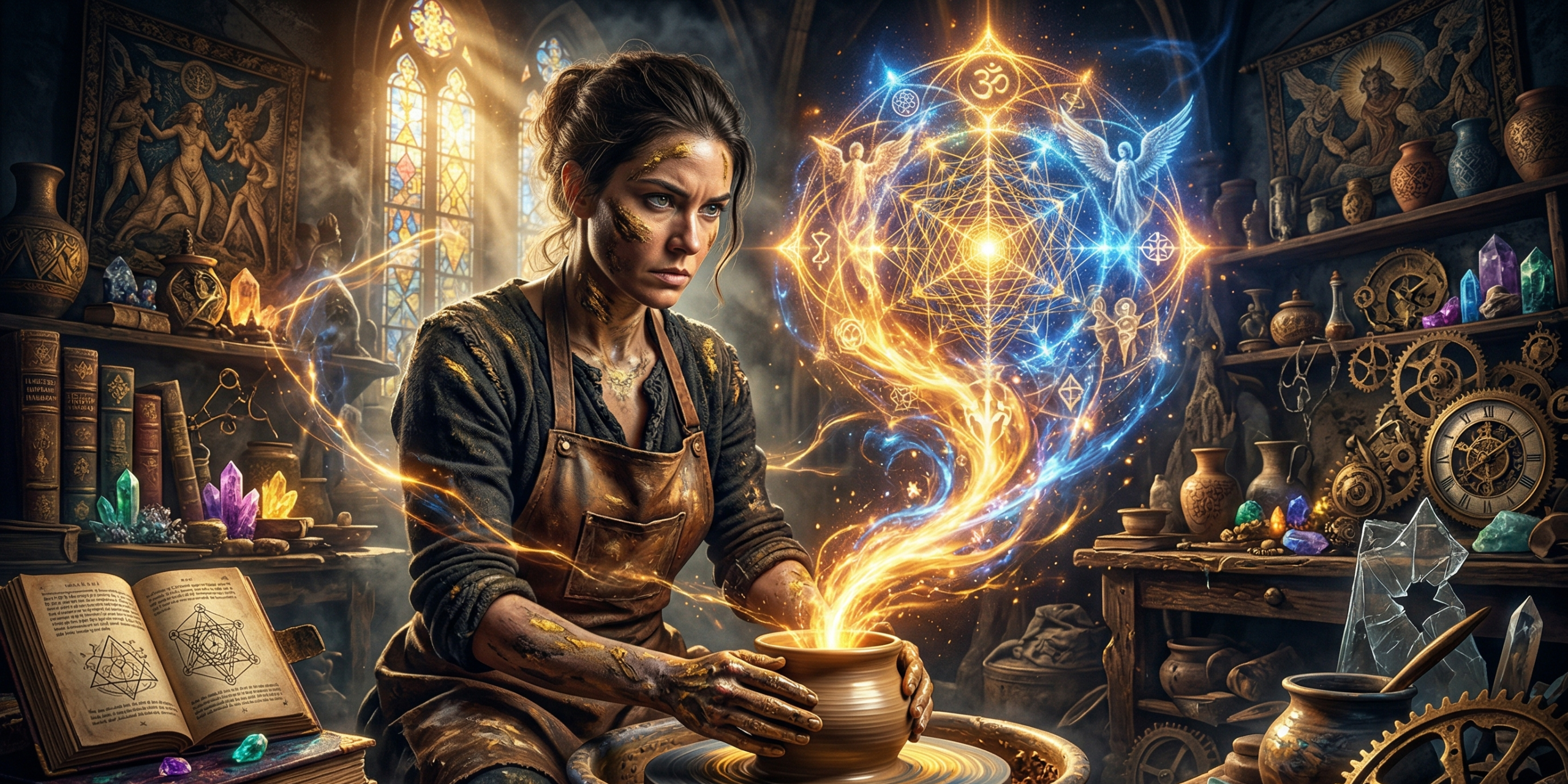



Leave a Reply